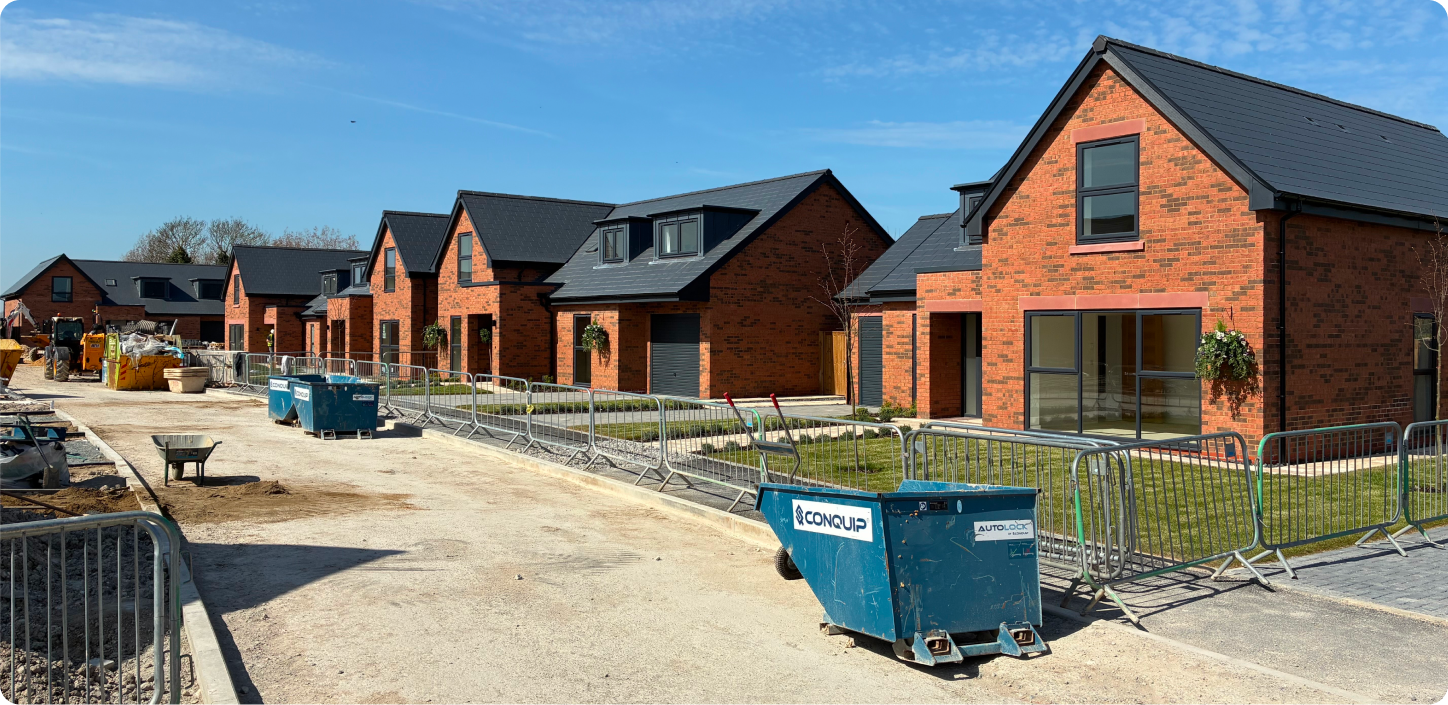
Open market value (OMV) funding can materially affect leverage, developer equity requirements and overall deal viability – yet valuation methodology is often overlooked in development finance.
For brokers, development finance is often compared through headline metrics such as leverage, rates and fees. But one factor can materially affect funding outcomes long before a facility completes: valuation methodology.
Two lenders can offer similar leverage on paper, yet produce very different funding outcomes depending on how the development asset is valued. In practice, this can affect day-one equity requirements, project cashflow and whether a deal progresses at all.
As more development projects involve tighter cashflow, complex structures and value-led opportunities, understanding that distinction is becoming increasingly important for brokers placing deals in today’s market.
What is open market value funding?

Open market value (OMV) reflects the estimated price a property or development asset would achieve under normal market conditions, assuming a reasonable marketing period and a willing buyer and seller.
In development finance, OMV is used to assess the realistic market value of a site or completed scheme based on prevailing market conditions and expected saleability.
Some lenders instead apply restricted valuation methodologies, including:
- 90-day valuations
- 180-day valuations
- Restricted market value assumptions
- Forced sale-style approaches
These methodologies typically assume shorter disposal periods or more constrained sale conditions, which can reduce the assessed value for lending purposes. For brokers, that distinction can materially affect funding proceeds and overall deal structure.
Why do valuation methodologies matter so much for brokers?
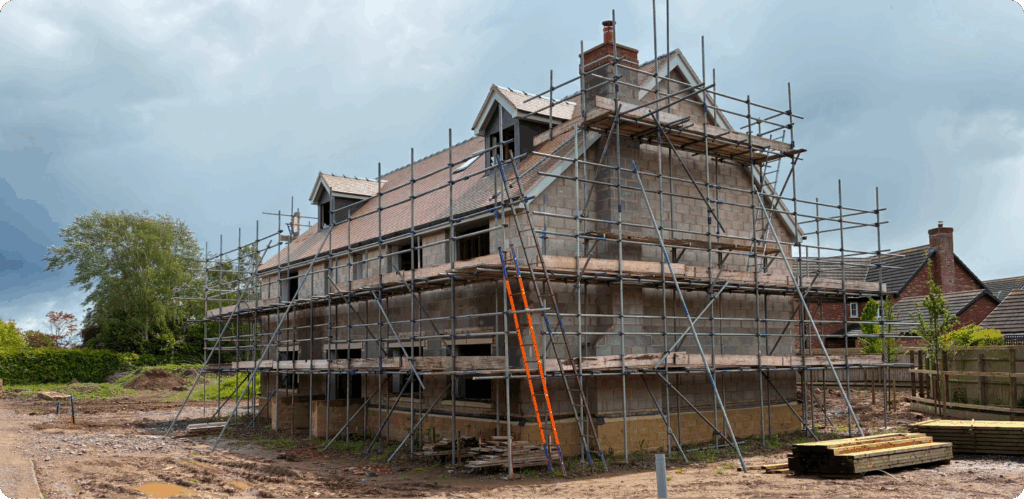
In many cases, a development deal may already stack commercially. The scheme is viable, the projected profit is healthy and the developer has a realistic exit strategy.
But once a restricted valuation basis is applied, the funding outcome can change significantly, and can result in:
- Funding shortfalls
- Unexpected equity gaps
- Reduced leverage
- Restructuring late in the process
- Delays to exchange or completion
For brokers, this is often where friction begins. The challenge is not necessarily that the deal doesn’t work – it’s that the valuation methodology materially changes the proceeds available against it.
This is particularly important in the current market, where developers are already managing higher build costs, tighter margins and increased pressure on working capital. scenarios where taking a more flexible, real-world view of development can help move deals forward.
How can restricted valuations create unnecessary equity gaps?

Restricted valuation approaches can increase the amount of upfront capital developers are required to contribute, even where the underlying scheme remains commercially viable.
For developers operating across multiple projects, preserving liquidity has become increasingly important. Additional equity requirements can affect:
- Cashflow
- Programme timelines
- Ability to progress future schemes
- Contingency management
- Overall delivery confidence
For brokers, these issues often emerge later in the process, once valuation assumptions become fully clear.
Developers may compare lenders based on headline leverage alone, without fully understanding how valuation methodology sits behind the funding structure itself. As a result, what initially appears to be a competitive facility can ultimately produce materially lower proceeds.
Why do valuation surprises cause frustration for brokers and developers?

One of the biggest frustrations in development finance is when valuation assumptions only become fully apparent after significant time and cost has already been invested. At that stage, terms may already be agreed, professional fees incurred, expectations aligned, and timelines committed to.
A change in valuation basis can then create avoidable pressure on both deal structure and delivery, potentially impacting:
- Client relationships
- Credibility
- Deal certainty
- Speed of execution
Understanding how a lender approaches valuation early in the process can therefore become just as important as understanding headline leverage itself.
Why can open market value funding better reflect real-world development?

Development projects rarely follow perfectly standard structures. They often require more nuanced underwriting because the opportunity sits within the structure, planning position or future value creation rather than a straightforward transactional model.
A practical underwriting approach considers not just policy templates, but how a project is expected to operate and exit in real market conditions, including understanding:
- Local market demand
- Exit strategy
- Borrower capability
- Delivery structure
- Overall scheme viability
From this perspective, open market value funding can provide a more realistic reflection of how a development asset is expected to perform in practice.
Importantly, this should not be viewed simply as increasing leverage. It is about assessing projects in the context of real-world development rather than purely through stressed disposal assumptions.
What should brokers look at beyond headline leverage?

Headline leverage rarely tells the full story in development finance. Two lenders offering similar LTGDV can still produce materially different outcomes depending on:
- Valuation basis
- Day-one funding methodology
- Interest structure
- Contingency treatment
- Monitoring surveyor assumptions
- Site cashflow requirements
Understanding these variables early in the process can help brokers avoid unnecessary restructuring, funding gaps and late-stage surprises.
As development projects become increasingly complex, valuation methodology is becoming more commercially significant – particularly where leverage, liquidity and delivery timelines are closely connected.
Why is open market value funding more relevant in today’s market?

Many development opportunities no longer fit neatly within standard lending models. Developers are increasingly operating in a market shaped by:
- Higher build costs
- Tighter margins
- More structured acquisitions
- Planning-led value creation
- Constrained equity
- More operationally complex projects
Complexity is increasingly a reflection of how opportunities are created, rather than an indication that a scheme is fundamentally higher risk. For brokers, this means funding structures need to reflect how development projects are actually acquired, delivered and exited in practice.
Other articles you may find interesting
How property development finance is evolving for brokers
Soft equity in property development finance
Welcoming Steve Smith as CrowdProperty’s Head of Sales
A more practical approach to development funding

At CrowdProperty, we support brokers in placing development deals that require a more practical, real-world approach to funding.
If you have a deal that doesn’t fit the box, we can help. We specialise in providing straightforward finance for projects that seem anything but.
- First-time developers
- Airspace development
- Barn conversions
- Modern methods of construction (MMC)
- Below market value purchases
- Deferred payments and soft equity
- Complex borrower structures
- Rural projects
We work on open market value funding and can offer up to 70% LTGDV with rolled interest.
If you have a deal to discuss, call 0204 525 2251 or contact our Broker team.
We’re property finance by property people. Together we build.