One of the most frustrating scenarios for brokers is when a borrower secures a site exceptionally well, creates immediate value through the acquisition, but struggles to access funding that reflects this.
The scheme is viable, the numbers work and the opportunity is clear. Yet funding proceeds can fall short because the lender focuses primarily on what the borrower paid for the site rather than what it’s actually worth.
For brokers placing development finance, understanding how lenders assess below market value purchases can make a significant difference to leverage, equity requirements and overall deal viability.
What is a below market value purchase?
A below market value (BMV) purchase occurs when a property or development site is acquired for less than its current market value. For example, a developer may purchase a site for £400,000 that is independently valued at £500,000. In simple terms, the developer has created £100,000 of value before development has even begun.
There are many reasons why below market value opportunities arise, including:
- Motivated sellers
- Off-market transactions
- Complex assets
- Distressed sales
- Specialist property knowledge
- Strong negotiation
For experienced developers, finding and securing these opportunities is often one of the most effective ways to improve project profitability and resilience.
Why does buying below market value matter?
A successful development project depends on many factors, from planning outcomes and build costs to funding structure and eventual sales values. But before any of those come into play, acquisition is often where the greatest opportunity exists.
Securing a site below market value can create immediate equity, improve project viability and strengthen funding options from day one. In many cases, value isn’t just created through development – it’s created through buying well.
A strong purchase can:
- Improve project profitability
- Create an immediate equity position
- Reduce overall project risk
- Improve resilience against market changes
- Enhance funding options
In many cases, developers spend considerable time focusing on how value will be created through planning, construction or sales. But when a site is acquired below market value, some of that value may already exist from day one. The question then becomes whether the funding structure recognises it.
Why do some below market value deals still struggle to attract funding?
Buying below market value can create a stronger equity position, improve project viability and reduce the amount of cash a developer needs to contribute. However, those benefits aren’t always reflected in the funding available.
This is often where brokers encounter challenges. A borrower may have secured an excellent acquisition and created genuine value before development has even begun, yet the deal still struggles to fit within standard lending criteria.
Many lenders assess development finance primarily against:
- Purchase price
- Cost basis
- Standard loan-to-cost parameters
- Previous development experience
While these are all important considerations, they can sometimes overlook value that has already been created through the acquisition itself.
As a result, a borrower may have secured an excellent deal and established a strong equity position, yet still be required to contribute more cash than expected because the valuation approach doesn’t fully recognise that uplift.
For brokers, this can create unnecessary friction. The scheme works. The borrower has bought well. But the funding structure doesn’t always reflect the reality of the opportunity.
How can recognising market value improve funding outcomes?
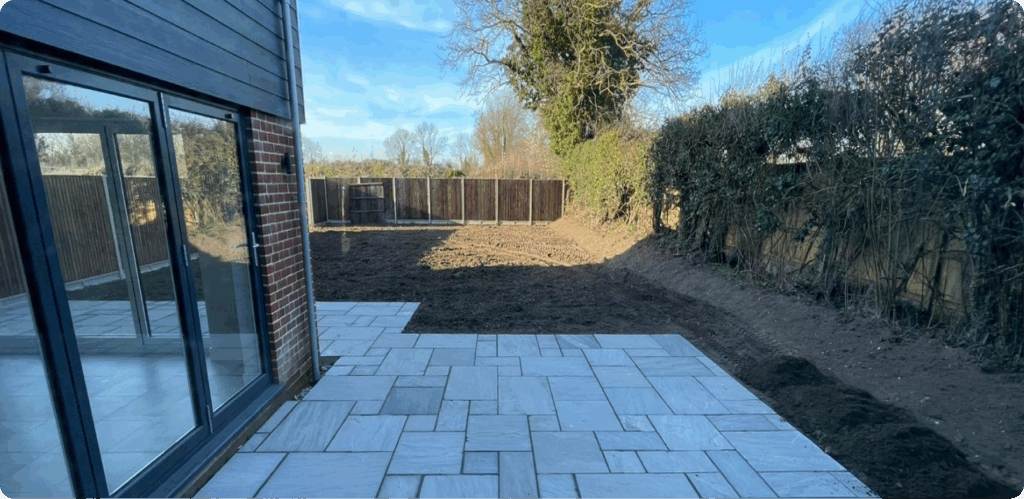
Where lenders recognise the current market value of a site rather than focusing solely on the purchase price, the outcome can be materially different.
For brokers, this can have a significant impact on how a deal is structured. Where value created through acquisition is recognised, developers may be able to utilise part of that uplift as equity within the transaction. That can help preserve liquidity, reduce reliance on additional cash injections and create a funding structure that better reflects the true strength of the opportunity.
Recognising value created through acquisition can:
- Strengthen the equity position
- Reduce upfront cash requirements
- Improve project liquidity
- Create more flexible deal structures
- Support overall project viability
Importantly, this isn’t about increasing risk or stretching leverage unnecessarily. It’s about recognising genuine value where it already exists and assessing the full picture rather than relying exclusively on standard metrics.
For brokers, understanding this distinction can be particularly valuable when structuring deals involving below market value acquisitions, soft equity or more complex funding requirements.
Case study: Commercial to residential conversion
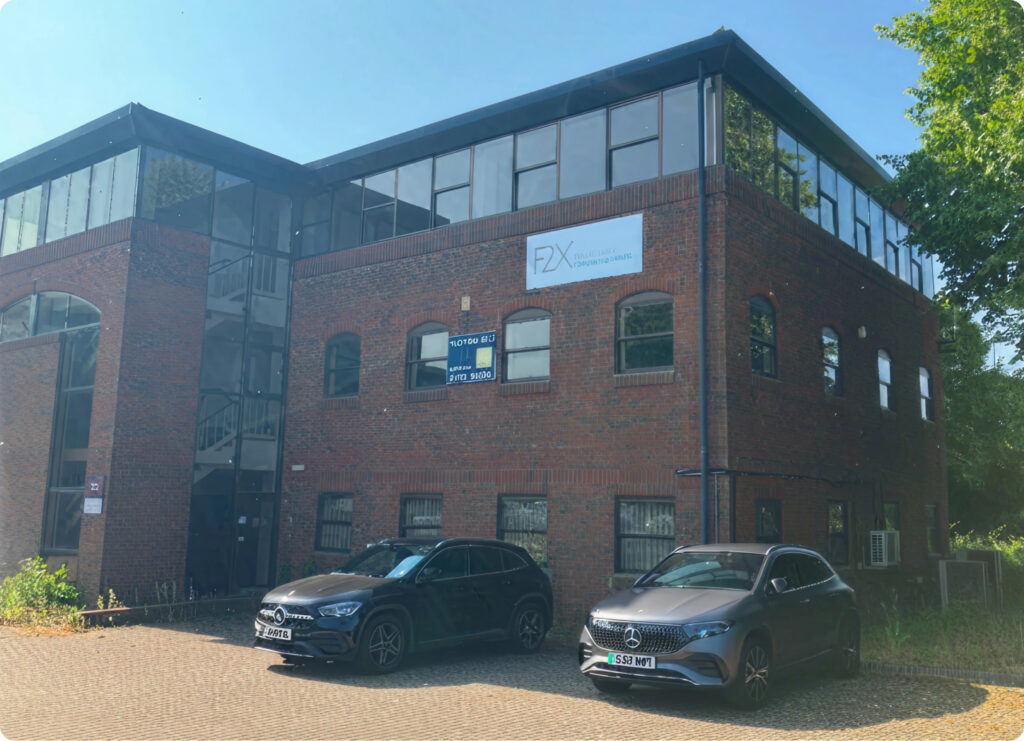
A recent CrowdProperty-funded project demonstrates how recognising value at acquisition helped to secure a funding structure that reflected the true strength of the opportunity.
The project
The project involves the conversion of a commercial building within an industrial park into twelve residential units, with a Gross Development Value (GDV) of £1.56 million.
The challenge
The borrowers were entering their first development project of this scale. While they had previously completed single-unit refurbishment projects, they hadn’t delivered a multi-unit residential scheme. At the same time, they secured the site exceptionally well, creating immediate value through the acquisition.
The challenge was that they wanted to utilise part of that uplift as equity within the deal structure. Combined with their limited development track record, this pushed the leverage beyond the parameters many lenders would typically consider.
For many lenders, the combination of a first-time developer and higher effective leverage would have made the deal difficult to support.
The solution
Rather than focusing solely on experience, purchase price, or standard loan-to-cost metrics, we assessed the wider picture. By recognising the site’s market value rather than simply the purchase price, and combining this with the borrowers’ cash contribution and soft equity position, we were able to structure a facility that reflected the true strength of the opportunity.
The project proceeded with:
- Gross loan amount: £920,000
- Loan term: 18 months
- Interest rate: 10.49%
- LTV: 54%
- LTGDV: 59%
- GDV: £1,560,000
The outcome
By recognising the value created at acquisition, the borrowers were able to utilise that uplift within the funding structure, reducing the need for additional cash equity and enabling them to progress their first development project at scale.
The case highlights an important principle – value creation doesn’t always begin with planning permission or construction. Sometimes it begins at acquisition. When that value is recognised within the funding structure, it can materially affect funding outcomes, project viability and ultimately whether a development opportunity moves forward.
How should brokers assess below market value opportunities?
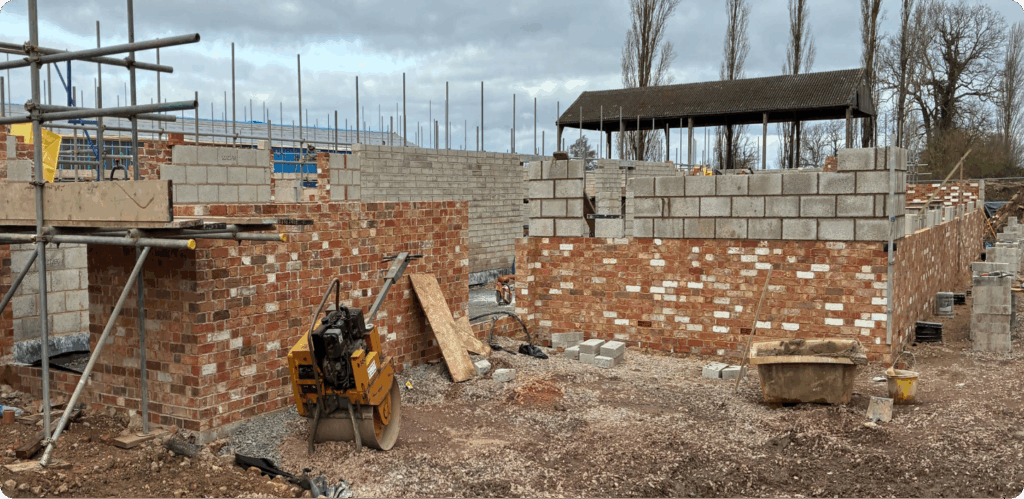
Not every below market value transaction will automatically translate into improved funding outcomes.
While a discounted acquisition can create an immediate equity position, the strength of the opportunity ultimately depends on whether that value is genuine, evidenced and supported by the wider project fundamentals. Brokers therefore need to look beyond the headline discount and assess the full picture.
When evaluating below market value opportunities, brokers should consider:
- Independent valuation evidence
- Strength of the acquisition rationale
- Quality of the proposed scheme
- Development viability
- Exit strategy
- Borrower capability
- Available equity and liquidity
The strongest opportunities are typically those where the acquisition discount is genuine, the valuation is well-supported and the wider project fundamentals remain strong.
Why does this matter in today’s market?
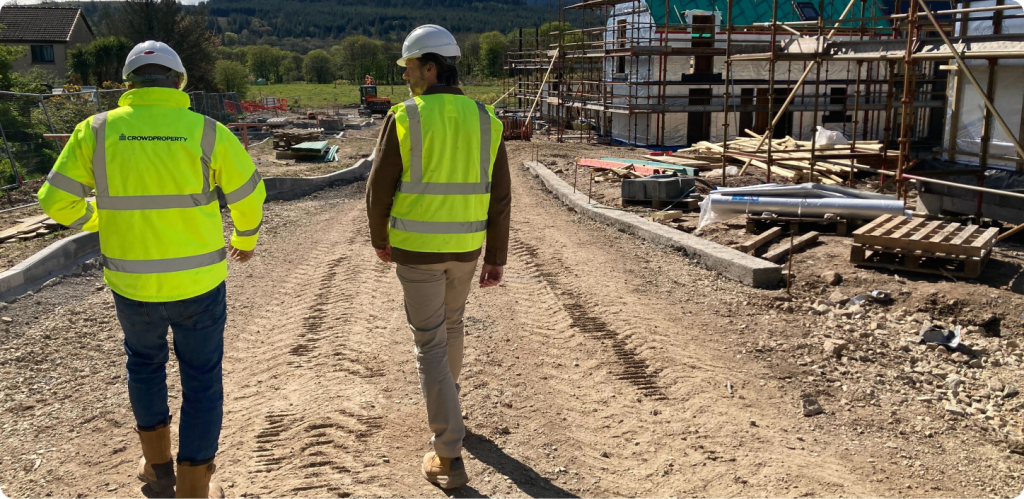
As development projects become more complex and developers seek to preserve liquidity, the ability to recognise value created through acquisition is becoming increasingly important. Many viable projects no longer fit neatly within standard lending models.
Developers are operating in a market characterised by higher build costs, tighter margins and greater scrutiny around capital deployment. As a result, preserving cash and making existing equity work harder has become a priority for many borrowers.
In that environment, recognising genuine value created through acquisition can have a meaningful impact on project viability. It can improve liquidity, strengthen deal structures and help developers move forward without unnecessarily tying up capital that could be deployed elsewhere in the business.
For brokers, this means understanding not just headline leverage, but how lenders assess value, structure equity and view project viability. Two lenders may offer similar terms on paper, yet produce very different outcomes depending on whether they recognise value created at acquisition.
In many cases, the challenge isn’t whether the opportunity works. It’s whether the funding structure properly reflects it.
Other articles you may find interesting
How property development finance is evolving for brokers
How does open market value funding affect development viability?
Soft equity in property development finance
A more practical approach to development funding

Steve Smith, Head of Sales at CrowdProperty
At CrowdProperty, we recognise that value creation often begins before construction starts. That’s why we take a practical view of below market value acquisitions, assessing the wider picture rather than focusing solely on purchase price or standard lending metrics.
By considering market value, project viability and borrower capability together, we’re often able to support opportunities that might otherwise struggle to fit within conventional funding parameters.
Ready to discuss your next deal?
If you have a deal that doesn’t fit the box, we can help. We specialise in providing straightforward finance for projects that seem anything but.
- First-time developers
- Airspace development
- Barn conversions
- Modern methods of construction (MMC)
- Below market value purchases
- Deferred payments and soft equity
- Complex borrower structures
- Rural projects
We work on open market value funding and can offer up to 70% LTGDV with rolled interest.
If you have a deal to discuss, call 0204 525 2251 or contact our Broker team.
We’re property finance by property people. Together we build.