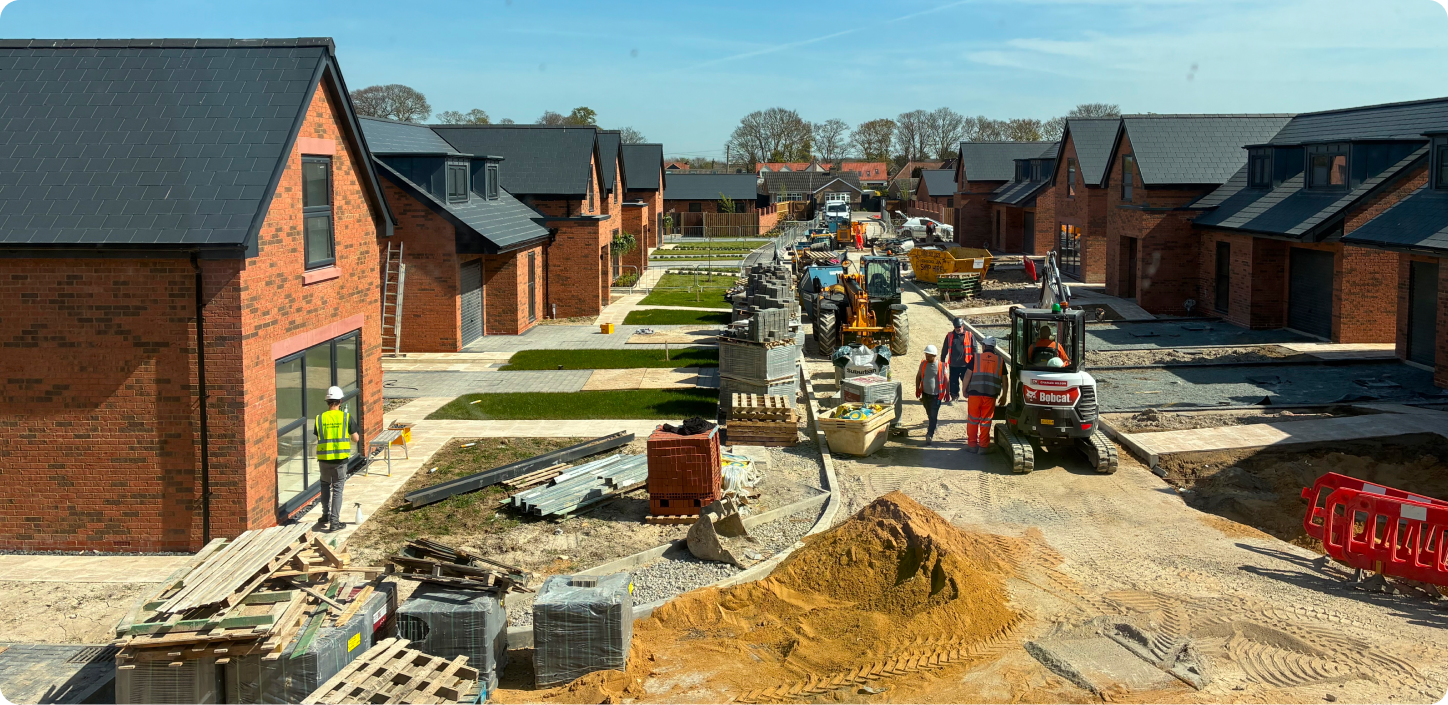
Having recently re-joined CrowdProperty as Head of Sales, Steve Smith shares his perspective on the deals brokers are seeing in today’s market.
Over the past 12 months, one theme has come up consistently in my conversations with brokers. There’s no shortage of opportunities, but an increasing number of deals aren’t getting placed. The demand is there, the fundamentals make sense, but many don’t align with standard lending criteria.
In a market shaped by higher build costs, tighter margins and wider global uncertainty, that gap is becoming more pronounced. More deals stack commercially than fit standard lending criteria – and that’s where brokers are feeling the pressure.
How is the property development market evolving for brokers?

What I’m seeing day-to-day is a clear shift in the types of projects coming forward.
There are more first-time developers entering the market, often with strong professional teams behind them. There’s a growing focus on value-led opportunities, where planning gain, repositioning or creative structuring drives returns. And there’s more activity in areas like airspace, conversions and smaller sites where traditional land supply is constrained.
At the same time, many lenders have become more cautious. Criteria has tightened, decision-making has become more process-driven, and appetite for anything outside a defined box has reduced.
That creates a disconnect – the market is evolving, but the funding landscape isn’t keeping pace. As a result, more deals are sitting just outside standard parameters.
From our perspective, that’s where many of the most compelling opportunities now exist. We’re seeing this across a wide range of projects, including those involving first-time developers and non-standard schemes, where the fundamentals are often stronger than the label suggests.
Why do property development deals still stall for brokers?

There are a few scenarios that come up repeatedly in my conversations with brokers.
- A strong scheme, but the borrower is a first-time developer.
- A well-located site, but it’s an airspace project or a barn conversion.
- A deal that stacks on paper, but the structure is more complex than usual.
- A viable scheme, but the client doesn’t have enough capital day one.
Individually, none of these are unusual. But together, they create friction in the funding process – not because the deals don’t work, but because they don’t align with standard lending criteria.
In many cases, the fundamentals are solid. The challenge is that the deal requires a more considered approach, whether that’s in how the borrower is assessed, how the scheme is understood, or how the funding is structured.
These aren’t isolated cases. They’re increasingly representative of the deals coming through – and they’re where brokers are spending more time trying to find the right fit.
From our perspective, these are exactly the types of scenarios where taking a more flexible, real-world view of development can help move deals forward.
Why do first-time property developers struggle to secure development finance?
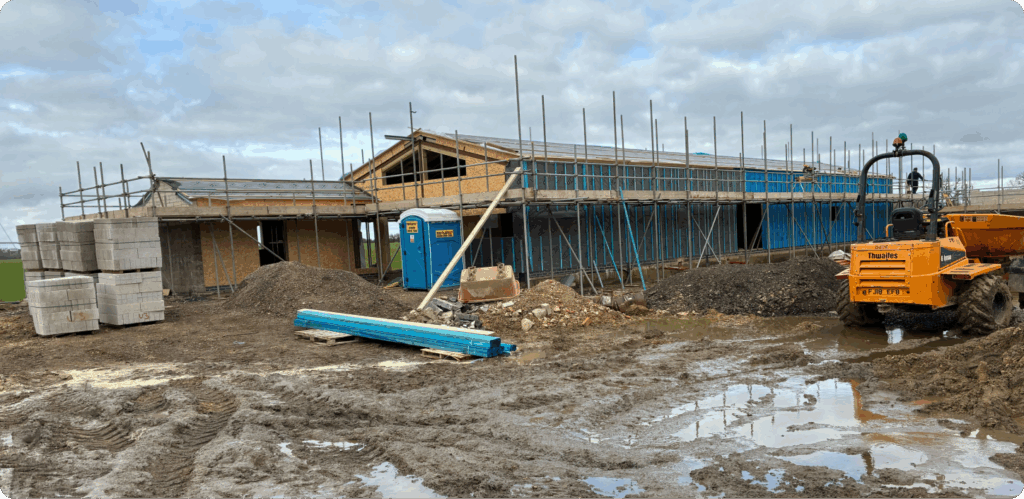
One of the most common reasons deals stall is a lack of track record.
That’s understandable to a point. But it can also mean overlooking capable developers who have the right team, advisers and a well-considered scheme.
In practice, delivery doesn’t come down to experience alone. It’s a combination of the scheme itself, the professional team and the borrower’s ability to execute. Where those fundamentals are in place, a lack of project history shouldn’t automatically prevent a deal from progressing.
We regularly consider first-time developers and assess them based on their ability to deliver the project in front of them, rather than relying solely on track record.
Why are non-standard development projects harder to fund?
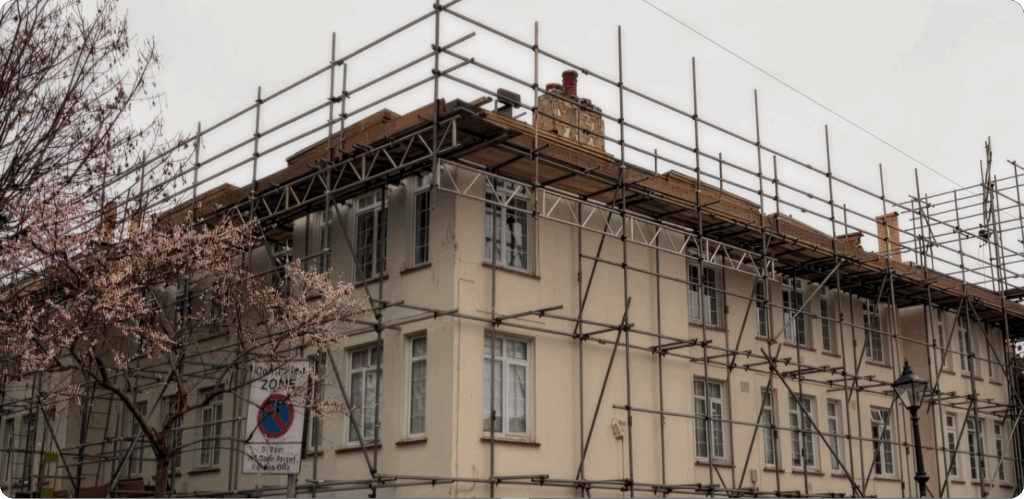
Non-standard sites are often labelled as higher risk because they sit outside typical housing models.
But airspace developments, barn conversions and rural sites are increasingly where opportunities exist. They’re often less competitive, involve underutilised assets and can deliver strong outcomes when approached correctly.
The challenge is that many lending approaches still treat them as exceptions, rather than recognising them as part of the evolving development landscape.
We consider projects across a wide range of asset types and recognise that some of the strongest opportunities sit within non-standard buildings, particularly where they can be transformed into high-quality residential schemes.
How does deal structure affect property development funding decisions?
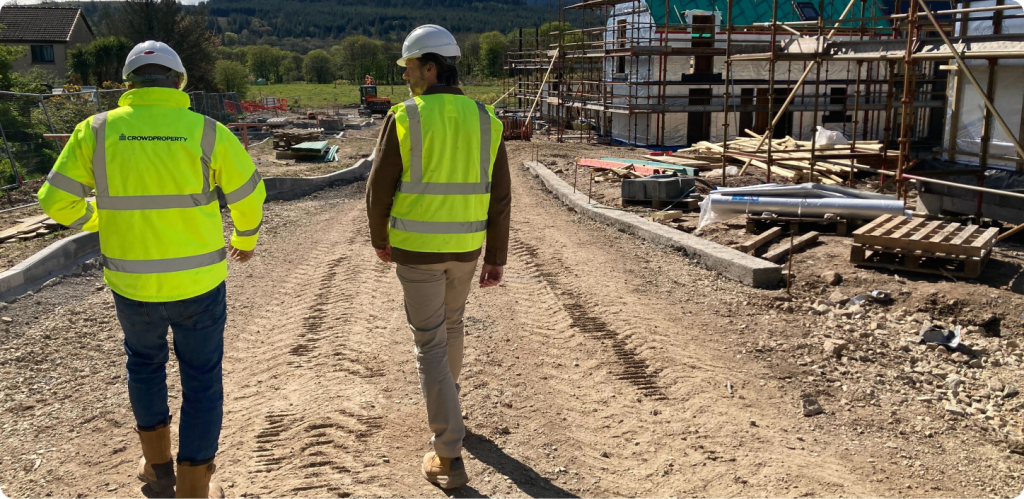
Structure is where a lot of otherwise viable deals fall down.
Deferred payments, soft equity, below market value acquisitions or layered borrower structures can all introduce complexity.
From a broker’s perspective, these are often well-structured deals that reflect how sites are actually acquired and funded in today’s market. But if that structure isn’t understood, the deal doesn’t move forward.
In many cases, the issue isn’t whether the deal works. It’s whether it can be underwritten properly.
We take a practical approach to deal structure, recognising that complexity is often a reflection of how real-world transactions are put together rather than a sign that a deal is not viable
How do capital constraints affect residential development projects?
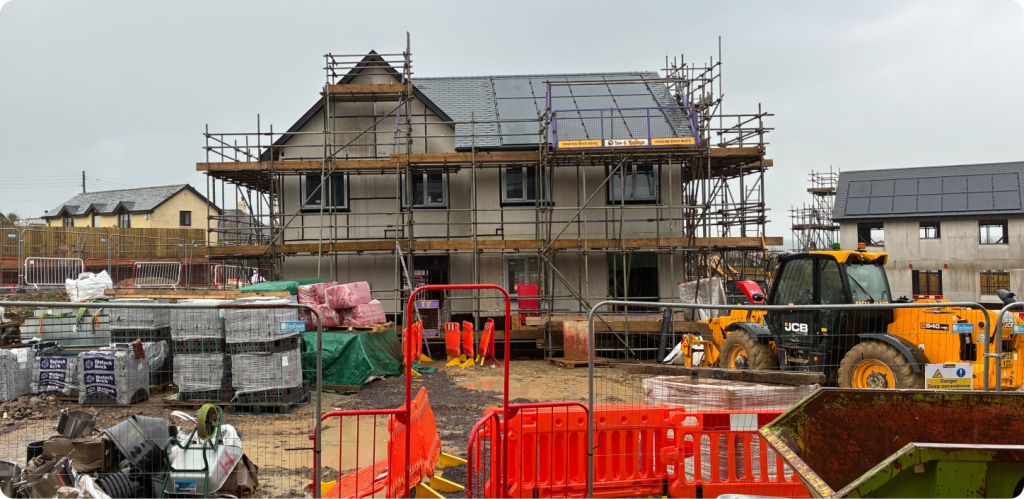
Another recurring challenge is day-one equity.
Many developers are working with limited upfront capital, particularly in the current environment where costs have increased and cash has to be managed carefully.
That doesn’t mean the deal isn’t viable. It means the funding needs to be structured in a way that reflects how developers are operating.
Approaches such as higher LTGDV, rolled interest or funding against open market value can make the difference between a scheme progressing or stalling at enquiry stage.
We recognise that capital constraints are a reality for many developers and consider funding structures that support delivery where the underlying scheme is sound.
How are modern construction methods changing residential development?
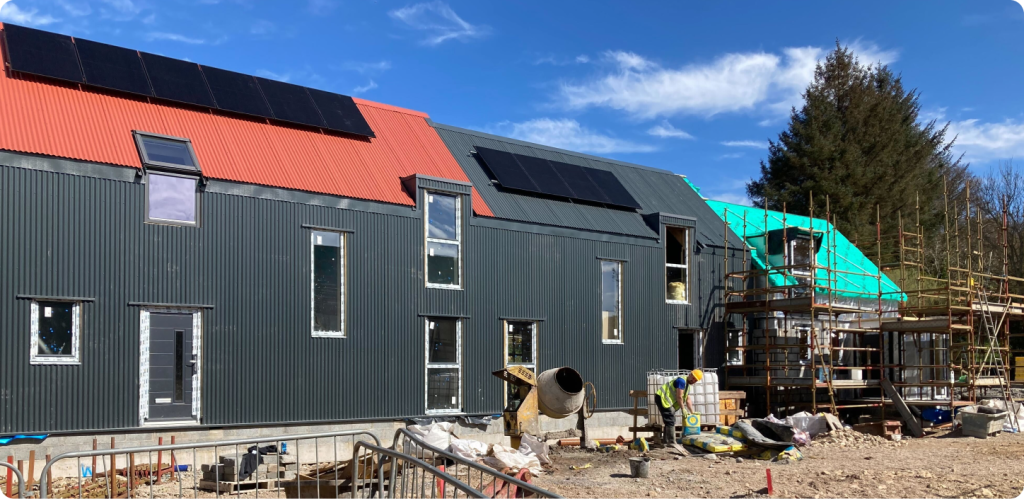
Modern methods of construction (MMC) projects can also cause hesitation.
There’s often a perception of increased risk, but in many cases it comes down to familiarity with materials and project process, rather than deal fundamentals.
As adoption increases, MMC is becoming a more common part of the development landscape, particularly where speed and efficiency are key.
Again, the gap is not in the viability of the scheme, but in whether the funding approach has evolved to support it.
We consider schemes using modern construction methods where they are appropriate for the project, with a focus on delivery, efficiency and overall viability.
Are these property development scenarios becoming the norm?
There’s certainly been a real shift in the market.
None of these scenarios are unusual in isolation, but taken together, they represent a significant proportion of the deals brokers are now working on. The challenge isn’t complexity. It’s whether the lender understands how to underwrite it.
From what I see on a regular basis, many of the deals brokers struggle to place aren’t the wrong deals. They’re simply with the wrong lender.
From our perspective, understanding complexity is a core part of development finance, not an exception to it. We embrace this complexity
What does a more practical approach to property development finance look like?
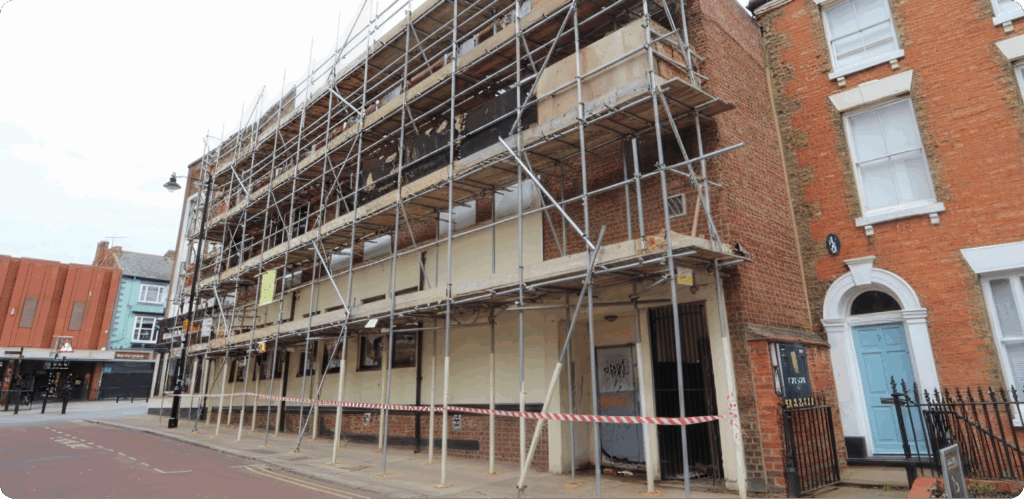
At CrowdProperty, we spend a lot of time working on exactly these types of projects.
That means looking beyond whether a deal fits a predefined template, and instead focusing on how it works in practice – the viability of the scheme, the structure behind it, and the capability of the borrower and their team.
It’s a more practical approach to underwriting. Not removing discipline, but applying it in a way that reflects how development actually works. Because in reality, most development projects don’t follow a standard template. The funding approach needs to reflect that.
Why does matching the right lender matter in property development?

In the current climate, getting deals placed has become more nuanced.
Against a backdrop of global tensions, cost pressures, and a more cautious lending market, the underlying opportunities still exist. If anything, they’ve become more varied and more dependent on how they’re structured and delivered.
For brokers, the focus is increasingly on finding the right fit – not just a lender, but one whose approach aligns with the deal.
If you’re seeing more of these kinds of deals, you’re not alone. And if you’ve got something that doesn’t quite fit the usual criteria, we’re more than happy to talk this through.
Other articles you may find interesting
Welcoming Steve Smith as CrowdProperty’s Head of Sales
Profit on cost – the most important metric in property development finance
Future Homes Standard – what it means for SME developers
Ready to discuss your upcoming deals?
At CrowdProperty, we support brokers in placing development deals that require a more flexible, real-world approach to funding.
If you’ve got a deal that doesn’t quite fit the usual criteria, call 0204 525 2251 or email our Broker Team.
We’re property finance by property people. Together we build.