
Our Head of Sales, Steve Smith, discusses how development finance is evolving, why property expertise matters when assessing opportunities and what brokers and developers should look for from their funding partners.
Article originally published in The Intermediary, July 2026
Q: How has the profile of the average development finance case changed?

Steve Smith, CrowdProperty Head of Sales
A: The biggest change is that there probably isn’t an ‘average’ development finance case any more.
One could argue that there never was, but we certainly see many more varied cases across our desk. Higher land values, planning challenges and tighter margins mean developers are creating value in different ways, whether that’s through below market value acquisitions, commercial-to-residential conversions, rural developments or modern methods of construction (MMC).
Building with sustainable materials and energy efficiency is also becoming commonplace. We’re also seeing more first-time developers entering the market, often bringing strong professional expertise and experienced teams with them or bringing in joint venture partners, adding another dimension to the deal.
None of these scenarios are unusual in isolation, but together they reflect how the market has evolved. The challenge is that many lending models haven’t evolved at the same pace. As a result, more commercially viable schemes are sitting outside standard lending criteria.
Q: Has the process shifted from simply finding the cheapest funding to the right underwriting philosophy?
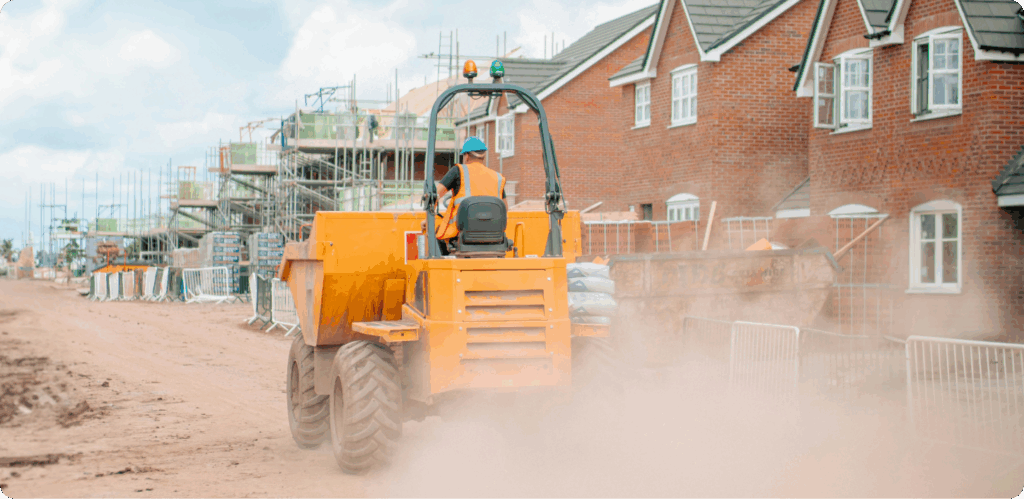
A: Absolutely. Price will always matter, but it’s rarely the deciding factor if the funding structure provided doesn’t actually work for the project.
Developers can spend tens of thousands of pounds on a site with soft costs – such as planning and professional fees – so does your lender recognise and fund some of these costs on day one?
Today’s brokers need to understand how different lenders think. A rural development, a below market value acquisition or a first-time developer might all be perfectly viable opportunities, but not every lender will assess them in the same way or even entertain funding the deal at all.
Just as importantly, brokers should look beyond the initial credit decision. Development projects evolve, and it’s not unusual for challenges or changes to arise during underwriting or throughout the build. The best lending relationships are built with partners who take a pragmatic, solution-focused approach – working with brokers and borrowers to overcome issues where appropriate, rather than stepping away as soon as a project falls outside a predefined set of criteria.
The right funding partner can often support opportunities that would otherwise struggle to progress.
Q: Are you seeing confidence return among SME developers?
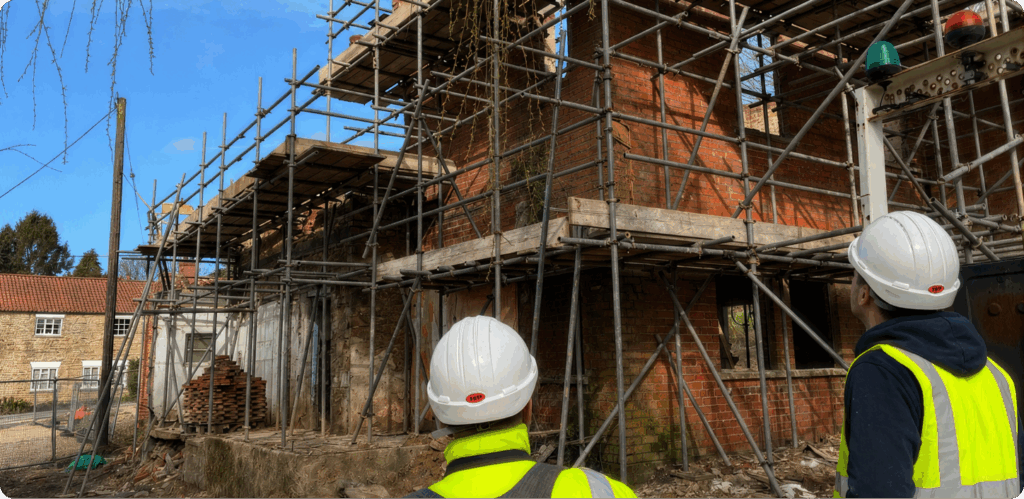
A: I’d describe it as cautious optimism. Over the past few years, developers have had to contend with rising build costs, inflation, fluctuating interest rates and planning delays.
Those challenges haven’t disappeared, and developers remain understandably cautious about how they deploy their capital.
That said, we’re seeing confidence return where the fundamentals are right. Developers are still progressing well-considered schemes, but they’re approaching opportunities with greater discipline than they did a few years ago. They’re spending more time on due diligence, being more selective about sites and placing greater emphasis on build costs and realistic exit values.
We’re also seeing developers become more resourceful. Rather than competing aggressively for traditional opportunities, many are finding value through repositioning assets, securing planning uplift or exploring schemes that sit outside the mainstream.
That creates a more resilient market. Developers aren’t chasing growth for its own sake – they’re focusing on projects that are well researched, carefully structured and commercially viable.
For lenders, that means understanding the rationale behind each opportunity rather than relying solely on standard criteria.
Q: Is the industry at risk of overlooking capable first-time developers?
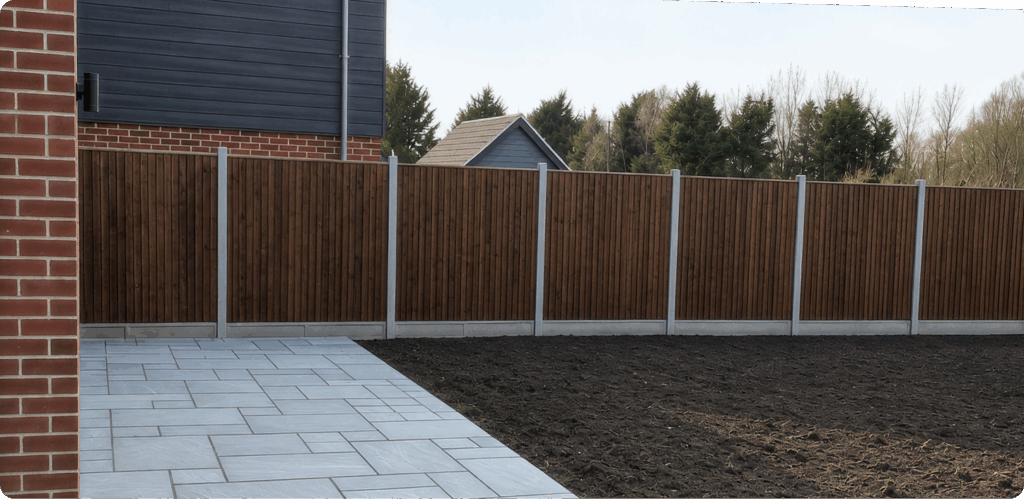
A: Experience should always form part of the assessment, but it shouldn’t become the assessment.
Every experienced developer delivered their first project at some point.
We look beyond track record and ask broader questions. Is planning secured? Has the borrower invested significantly already? Is there a strong professional team? Is the exit strategy realistic?
The same principles apply whether it’s a first-time developer, a commercial conversion or a project using modern methods of construction. We’re always assessing the strength of the opportunity rather than relying on a single characteristic.
Q: What changes would you most like to see across the specialist lending market?
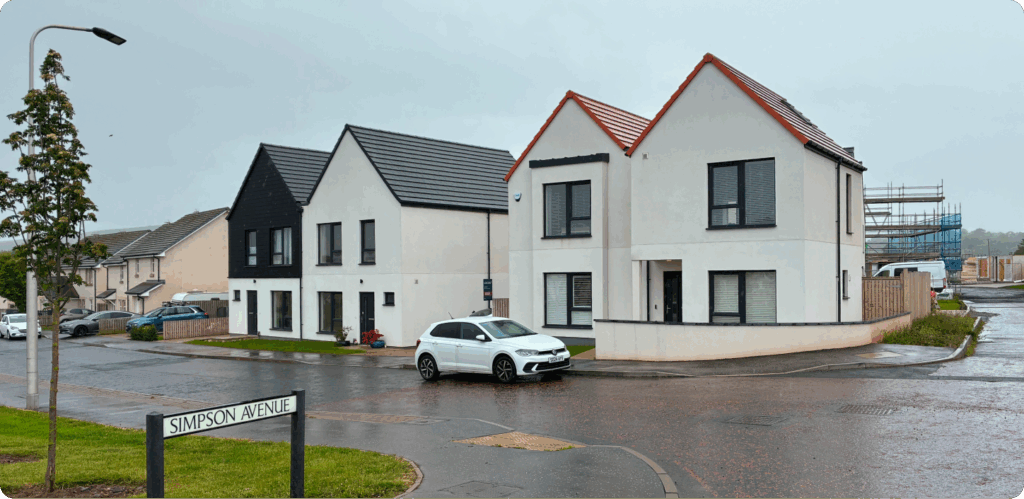
A: I would like to see the conversation move away from what’s considered ‘standard’ and ‘non-standard’.
Today’s development market is far more diverse than it was even a few years ago. Rural developments, conversions, below market value acquisitions and complex deal structures are all becoming increasingly common.
The more lenders combine robust credit processes with genuine property expertise, the more opportunities we will collectively be able to support, across the board.
Q: What are brokers telling you about the challenges in today’s market?
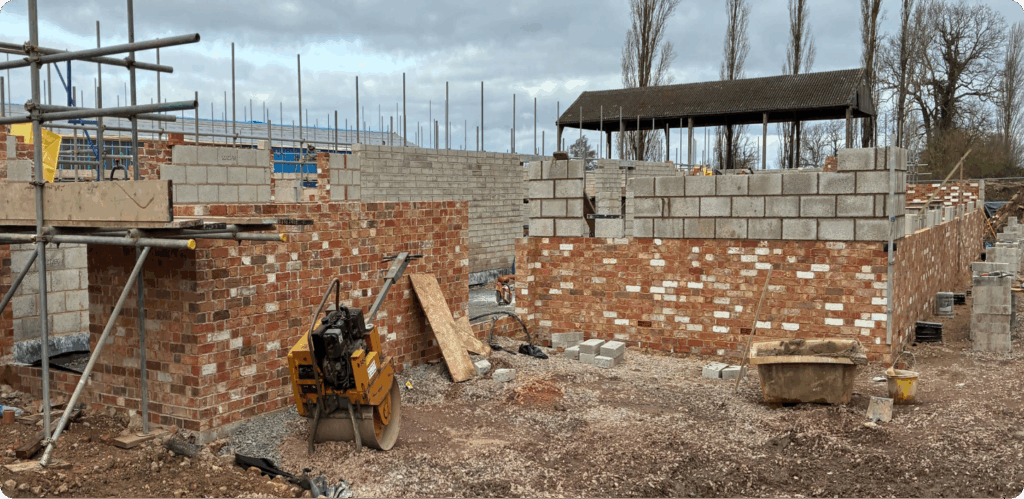
A: Many brokers tell us they know a deal works commercially, but they’re struggling to find a lender willing to assess it properly.
This can be for any number of reasons we’ve already touched on – whether it’s a rural location, a below market value purchase, a deferred payment structure or a borrower delivering their first development.
Increasingly, the challenge isn’t finding capital. It’s finding a lender whose appetite and underwriting approach align with it, and whose funding structure supports a viable, profitable outcome for everyone involved.
Brokers also value certainty. Early conversations, practical feedback and clear decision-making help them manage client expectations and move projects forward more efficiently.
Q: CrowdProperty has undergone a brand evolution. What prompted that shift?
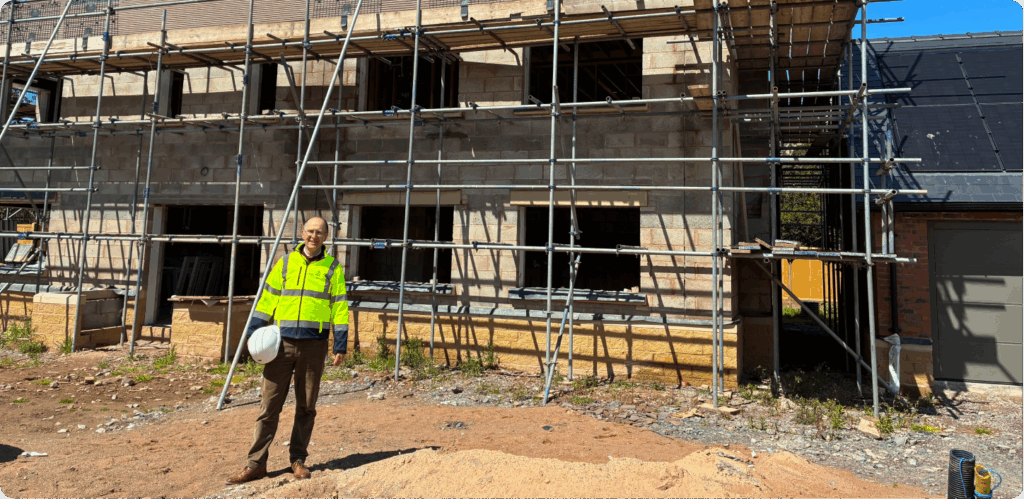
Steve Deutsch, CrowdProperty CEO
A: The market has evolved, and we wanted our brand to better reflect the way we lend.
We’ve always taken a practical, property-led approach, but we recognised an opportunity to communicate more clearly about the types of projects we’re comfortable supporting.
Our focus has been on helping brokers understand that we don’t just provide development finance – we understand how development works.
Over the next 12 to 18 months, we’ll continue fostering broker relationships and increase proposition awareness – making it easier for brokers to recognise when a deal is a good fit for CrowdProperty.
Q: What will define the next phase of the market?
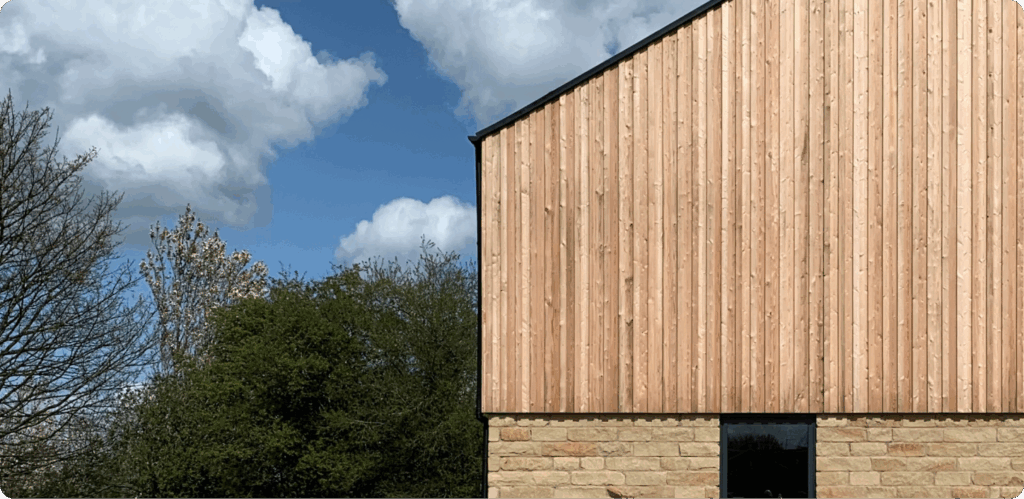
A: I think the market will continue to diversify.
The UK needs more housing. We will see more regeneration, more conversions, more rural developments, more first-time developers and a greater adoption of modern methods of construction.
Sustainability and energy efficiency will continue to play a more important role in development. Developers will continue finding ways to create value because that’s how SME developers have always adapted.
The lenders who succeed won’t necessarily be those with the longest criteria documents. They’ll be the ones with the expertise and flexibility to understand these opportunities and structure funding around how projects actually work.
For brokers, choosing the right funding partner will become even more important.
I think the next phase of development finance will be defined less by whether a project fits traditional criteria, and more by whether a lender understands the opportunity in front of them.
Article originally published in The Intermediary, July 2026
Other articles you may find interesting
How property development finance is evolving for brokers
How does open market value funding affect development viability?
Soft equity in property development finance
A more practical approach to development funding

At CrowdProperty, we recognise that value creation often begins before construction starts. That’s why we take a practical view of below market value acquisitions, assessing the wider picture rather than focusing solely on purchase price or standard lending metrics.
By considering market value, project viability and borrower capability together, we’re often able to support opportunities that might otherwise struggle to fit within conventional funding parameters.
Ready to discuss your next deal?
If you have a deal that doesn’t fit the box, we can help. We specialise in providing straightforward finance for projects that seem anything but.
- First-time developers
- Airspace development
- Barn conversions
- Modern methods of construction (MMC)
- Below market value purchases
- Deferred payments and soft equity
- Complex borrower structures
- Rural projects
We work on open market value funding and can offer up to 70% LTGDV with rolled interest.
If you have a deal to discuss, call 0204 525 2251 or contact our Broker team.
We’re property finance by property people. Together we build.