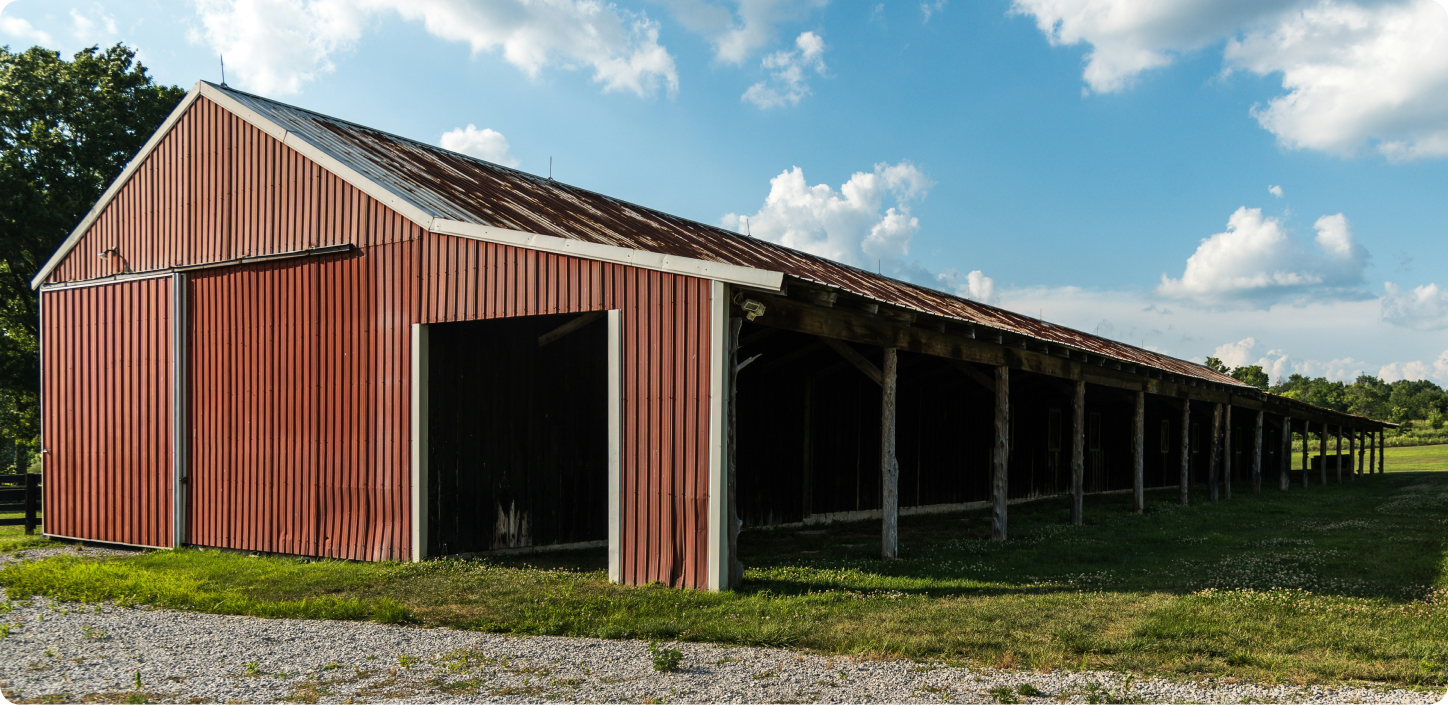
Planning risk and delay can stall otherwise strong development opportunities. In some cases, permitted development rights can remove this risk, reducing uncertainty and shortening delivery timelines.
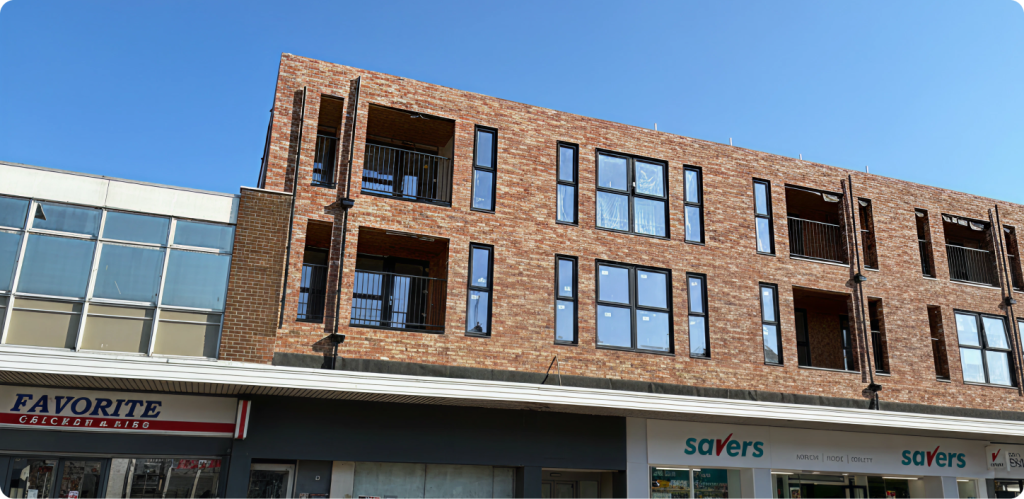
For SME property developers, permitted development can offer a faster route from acquisition to delivery. We regularly fund projects using permitted development rights – including commercial-to-residential conversions, barn conversions under Part Q, and airspace developments – where some lenders apply more restrictive criteria.
This guide explores where permitted development creates opportunity, how these projects are typically structured, and what developers should consider when assessing viability and funding.
What is permitted development and how does it work?
Permitted development rights are granted nationally through the Town and Country Planning (General Permitted Development) (England) Order 2015. They allow specific forms of development to proceed without a full planning application, subject to defined criteria and often a prior approval process.
In practice, this means certain development types can move forward more quickly, provided key impacts such as transport, contamination, flooding and design are assessed and approved by the local authority. It’s not a removal of planning control, but a more defined and predictable route through it.
Permitted development rights can be restricted by Article 4 Directions, conservation areas, listed status or site-specific constraints. Developers should always confirm applicability at site level before progressing a transaction.
Where does permitted development create opportunity for developers?

Permitted development can materially change the risk profile of a project. Removing or reducing planning uncertainty allows developers to move more quickly from acquisition to delivery, often with greater confidence in programme and outcome.
Many SME developers actively target permitted development opportunities for this reason. Common project types include:
- Commercial-to-residential conversions
- Barn conversions under Part Q
- Airspace and upward extension schemes
- Select redevelopment opportunities linked to policy changes or site classification
The key benefit is not simply speed – it’s certainty. Reduced planning risk can make schemes easier to appraise, structure and fund, particularly where timelines and exit strategy are closely aligned.
How do commercial-to-residential conversions work under permitted development?
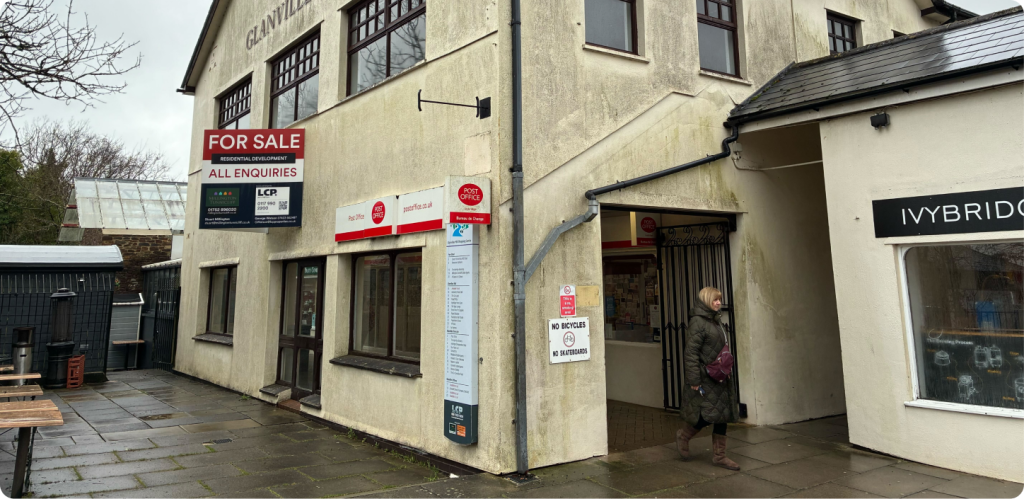
Commercial-to-residential conversion remains one of the most widely used permitted development routes. Offices, retail units and certain mixed-use buildings may qualify for change of use, subject to prior approval and local restrictions.
These schemes are often attractive where:
- Buildings are vacant or underutilised
- Refurbishment costs are proportionate
- Structural alterations are limited
- Local residential demand is strong
Key considerations include:
- Minimum space standards
- Access to natural light
- Flood risk and contamination
- Impact on local infrastructure
- Article 4 restrictions in certain locations
From a funding perspective, these are among the most commonly delivered permitted development schemes. While some lenders apply restrictions depending on asset type or location, well-structured commercial-to-residential projects can offer clear delivery pathways and defined exit strategies.
What should you consider with barn conversions under Part Q?
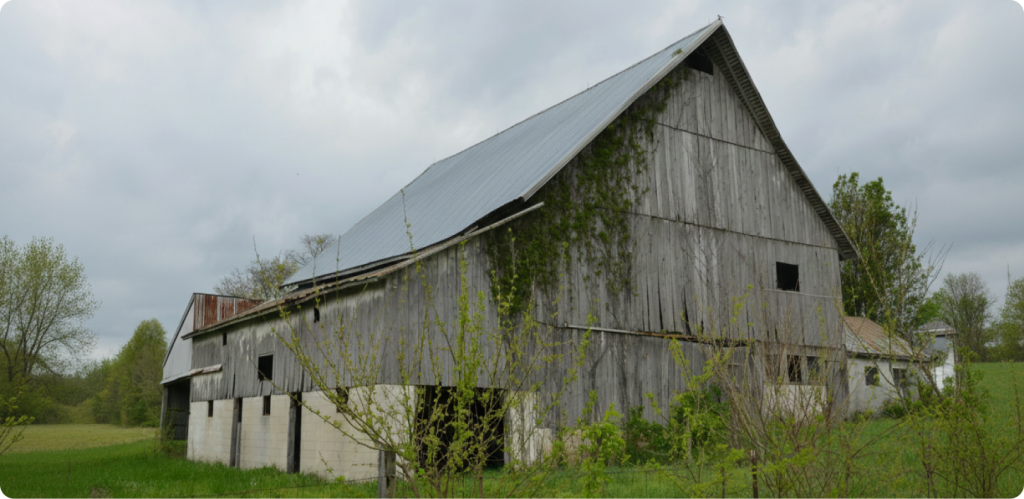
Part Q permitted development rights allow agricultural buildings to be converted into residential dwellings, subject to specific criteria around size, use and structural capability.
These schemes can offer strong value uplift where acquisition reflects agricultural use and residential demand is present. However, they are tightly defined and require careful technical validation.
Developers should assess:
- Whether the building meets qualifying agricultural use criteria
- Structural integrity and extent of required works
- Unit size and number limitations
- Site constraints including access, flooding and protected land
- Local authority prior approval requirements
Part Q schemes are sometimes viewed as higher risk due to rural location and structural considerations. But where feasibility is well evidenced and delivery is realistic, they can represent attractive development opportunities with clear planning parameters.
How can permitted development support airspace projects?
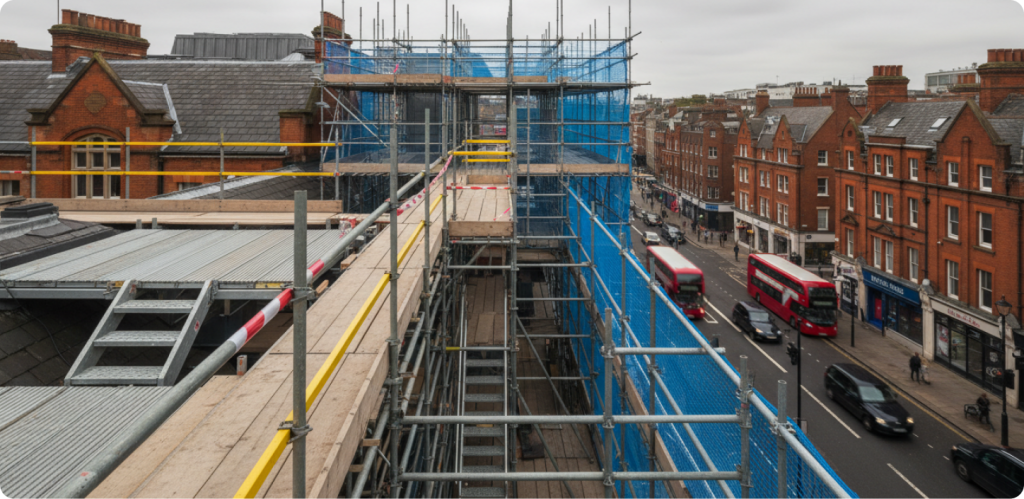
Permitted development rights for airspace development and upward extensions have been introduced to support additional housing delivery in urban areas. These typically apply to certain detached buildings or blocks, subject to strict criteria.
In practice, these schemes require careful planning and technical input. Developers must consider:
- Structural loading and feasibility
- Height thresholds and design constraints
- Impact on neighbouring properties
- Fire safety and building regulations
- Legal control of the roof space and stakeholder interests
While some lenders take a cautious approach to airspace schemes due to their complexity, they can offer compelling opportunities in high-demand locations where land supply is constrained. When structured correctly, they provide a route to create additional units without acquiring new land.
What are the benefits of permitted development projects?
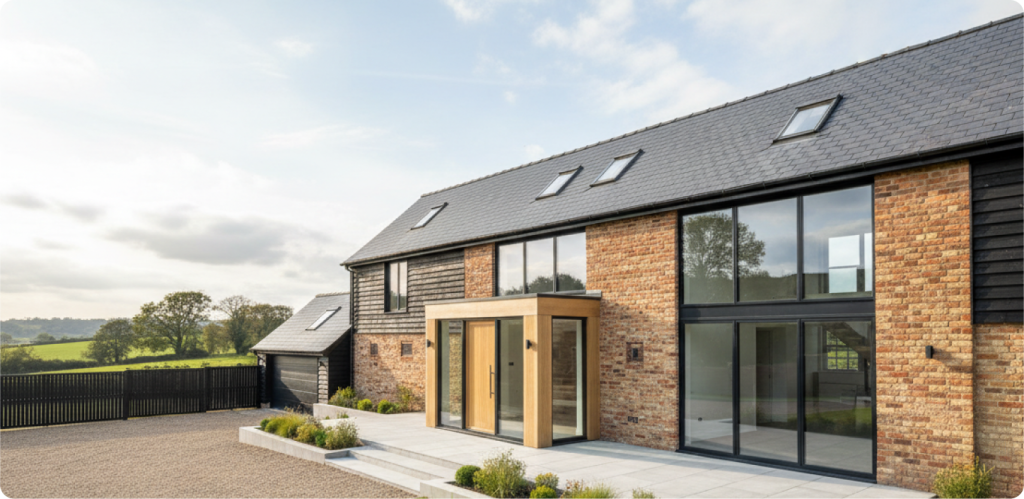
Permitted development can strengthen the fundamentals of a development project by reducing one of the most significant variables – planning risk.
From a funding perspective, this can offer:
- Greater certainty at acquisition
- Defined planning parameters
- Shorter pre-construction timelines
- Reduced exposure to planning refusal
- Clearer programme assumptions
However, permitted development does not remove development risk entirely. Lenders will still assess build complexity, structural feasibility, cost control and exit strategy.
Where planning risk is reduced but delivery risk is well managed, permitted development schemes can present a balanced and fundable opportunity.
How can you confirm whether permitted development rights apply?

Permitted development should never be assumed. Early validation is essential to avoid aborted transactions or unexpected delays.
Developers should typically:
- Review the relevant provisions within the GPDO
- Check for Article 4 Directions at local authority level
- Confirm site constraints such as conservation area or listed status
- Engage planning consultants where appropriate
- Seek pre-application guidance where the scheme is sensitive
- Apply for a Lawful Development Certificate to confirm eligibility
A Lawful Development Certificate provides formal confirmation that a scheme falls within permitted development rights. This can materially improve confidence for funders and investors.
What are the common pitfalls developers should avoid with permitted development?
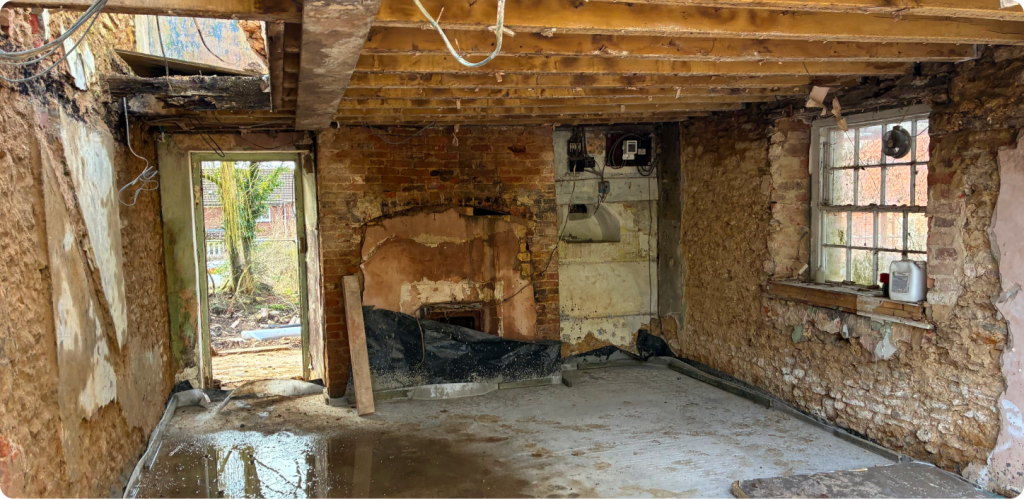
Permitted development schemes can fail where assumptions are not properly tested or where technical constraints are underestimated.
Common pitfalls include:
- Assuming rights apply without checking local restrictions
- Underestimating prior approval requirements
- Overlooking structural limitations in Part Q or airspace schemes
- Ignoring building regulations and fire safety implications
- Failing to evidence lawful use or qualifying dates
A disciplined approach to due diligence is essential. Permitted development provides a defined route through planning, but it still requires careful execution.
How are permitted development projects assessed for funding?

When assessing permitted development schemes, lenders typically focus on the fundamentals of delivery rather than planning alone.
Key considerations include:
- Structural feasibility and build complexity
- Quality and robustness of valuation evidence
- Clarity of exit strategy and market demand
- Developer experience and track record
- Programme realism and cost control
At CrowdProperty, we regularly fund permitted development projects across a range of asset types, including commercial conversions, barn conversions and airspace developments.
While some lenders may take a more restrictive view of non-traditional schemes, our approach is to assess each project on its merits – focusing on viability, structure and delivery rather than applying blanket constraints based on asset type.
Further reading and official resources
The Town and Country Planning (General Permitted Development) (England) Order 2015
UK Government Planning Practice Guidance
Article 4 Directions (national guidance and local authority registers)
Planning Portal and building control guidance
Other articles you may find interesting
Property conversions – a guide to planning, risk and funding for SME developers
Airspace development – a guide to planning, risk and funding for SME developers
Rolled, retained, serviced – how interest works in development finance
Ready to discuss your next project?
At CrowdProperty, we support developers and brokers with expert-led development finance designed around real-world delivery.
If you’re a developer looking for funding, call 0203 012 0166 or email our Direct Team.
If you’re a broker looking to work with us, call 0204 525 2251 or email our Broker Team.
We’re property finance by property people. Together we build.