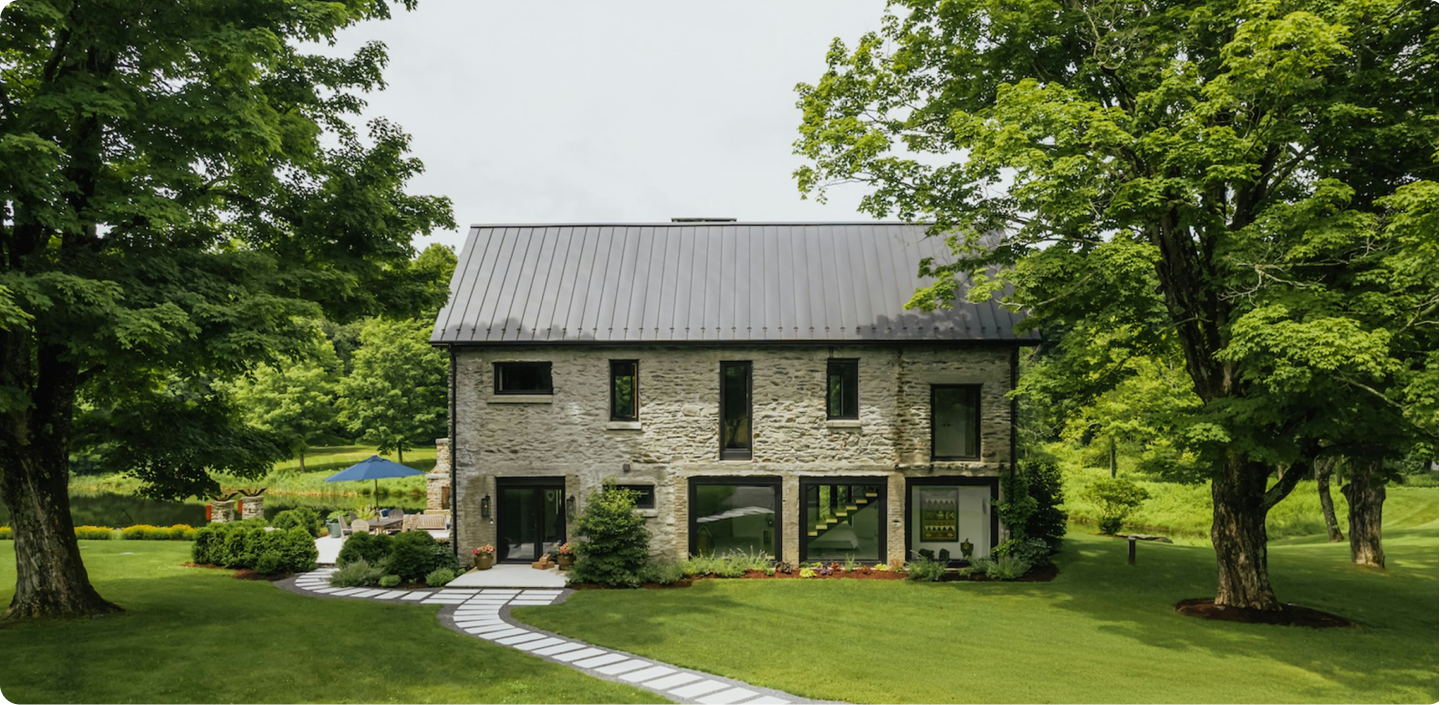
Some of the strongest property development opportunities exist outside major towns and cities, yet rural projects can still be harder to fund.
In many cases, the challenge isn’t the quality of the scheme. It’s how some lenders assess location, perceived exit risk and market depth. For brokers, this can create unnecessary friction when an otherwise viable project sits outside a lender’s geographic catchment area.
We explore why rural developments can be more difficult to fund, how brokers can strengthen funding propositions, and why lenders should look beyond the postcode when assessing viable rural projects.
What makes rural property development projects harder to fund?
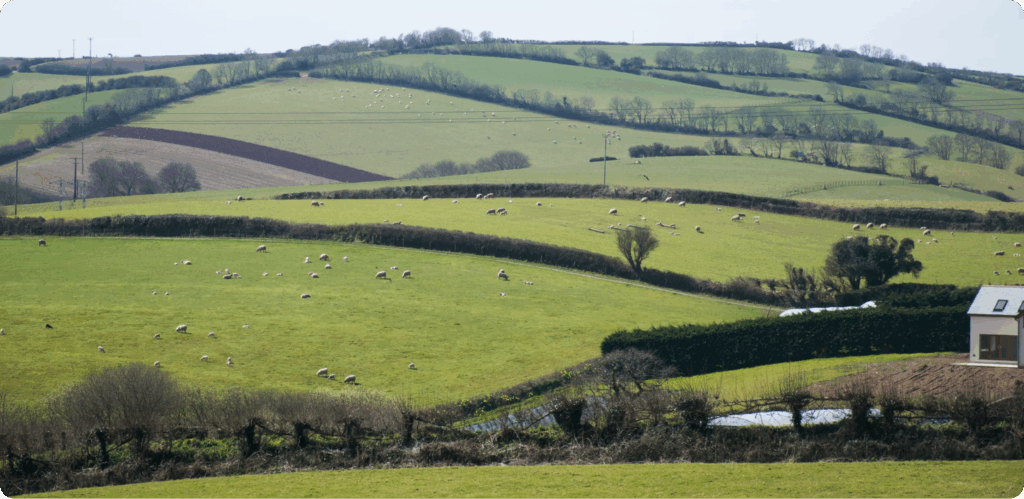
Many lenders naturally have greater confidence lending in larger towns and cities with established housing markets, higher transaction volumes and plentiful comparable evidence. By contrast, rural developments are sometimes viewed as carrying additional risk because they may involve:
- Smaller local markets
- Fewer comparable sales
- Longer selling periods
- More specialist buyer demand
- Planning sensitivities
- Infrastructure or access challenges
These are all reasonable considerations, but they don’t automatically make a project less viable.
A rural postcode simply tells you where a project is located. It doesn’t tell you whether demand exists, whether the appraisal is robust, or whether the developer has assembled the right team to deliver the project successfully.
Why should lenders look beyond the postcode?
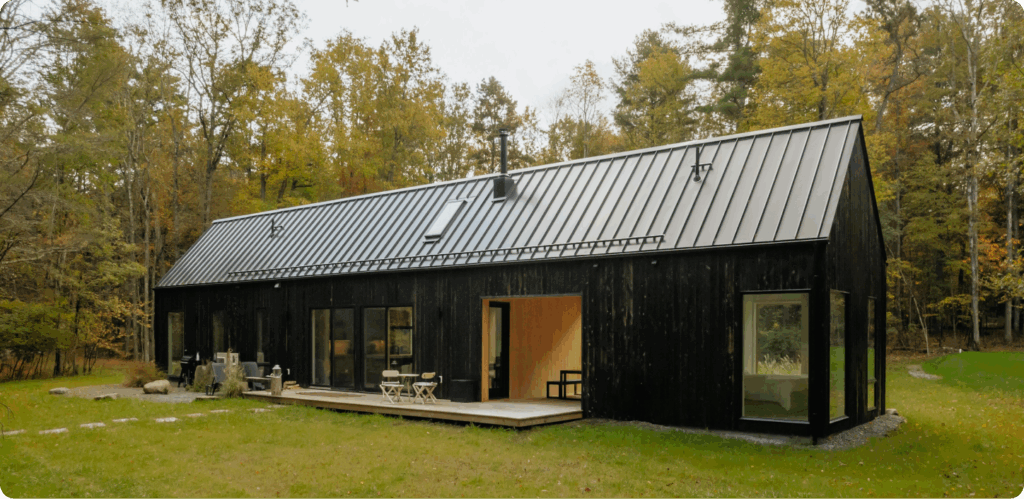
Location should always form part of a development funding assessment, but it shouldn’t define the outcome. A successful project depends on far more than its postcode, with local demand, planning position, developer capability and exit strategy often providing a much stronger indication of project viability.
Developers are increasingly identifying opportunities in villages, market towns and edge-of-settlement sites where competition for land may be lower and acquisition opportunities stronger. In many cases, these locations offer genuine demand, attractive pricing and clear routes to delivery.
Understanding the local market is often far more valuable than simply assessing the postcode.
What should brokers look for when assessing rural projects?
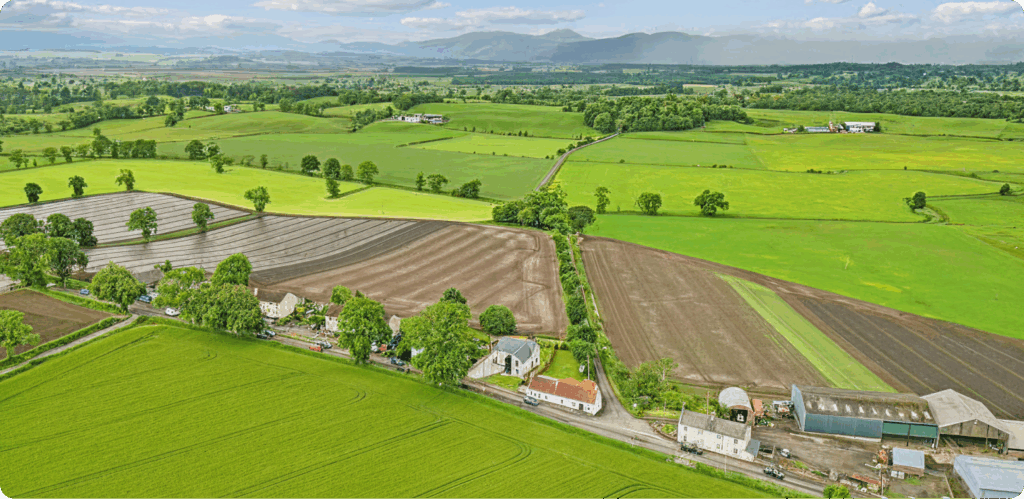
Assessing a rural development opportunity requires brokers to focus on the overall strength of the scheme. While the same commercial principles apply to any development project, the supporting evidence often becomes even more important in rural markets.
Key considerations include:
- Evidence of local demand
- Relevant comparable sales
- Planning certainty
- Developer experience
- Build complexity
- Infrastructure and services
- Exit strategy
- Funding structure
Comparable evidence is particularly valuable. Rural markets may have fewer direct comparisons than larger towns or cities, making local knowledge, well-supported valuations and realistic sales assumptions even more important.
Ultimately, brokers should ask the same question they would of any development opportunity – does the project work?
Why does lender flexibility matter?
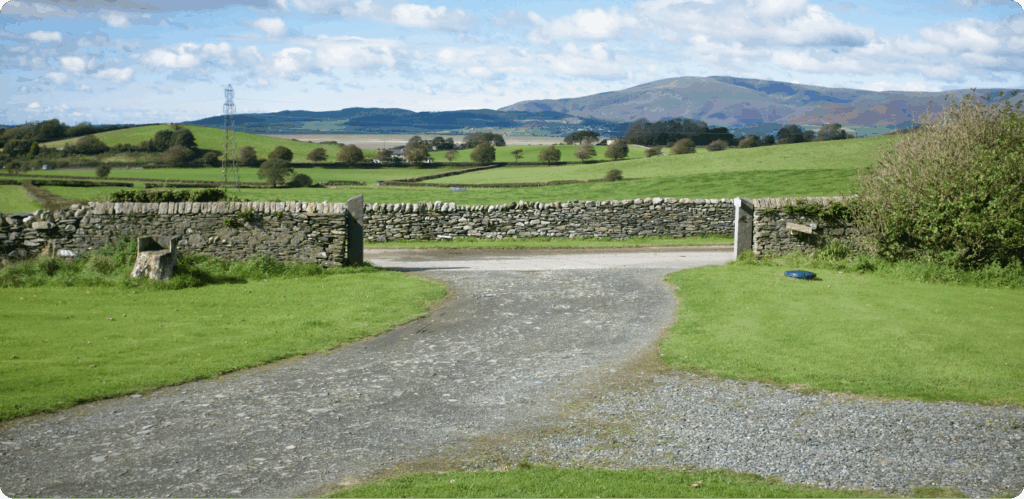
Every lender has their own risk appetite and underwriting approach. Some lenders operate within defined geographic areas or apply stricter lending criteria to rural projects. Others take a more flexible approach, assessing each opportunity on its individual merits.
At CrowdProperty, we believe every project deserves to be understood before a lending decision is made. That means listening to the developer, understanding the rationale behind the scheme and working with valuers who have genuine local market knowledge. Rather than relying on broad national assumptions, we build a picture of local demand, comparable evidence and the viability of the proposed development.
Rural developments can sometimes have a smaller pool of buyers than comparable schemes in larger urban markets. While that doesn’t necessarily affect long-term demand, it can influence the pace of sales once construction is complete.
In these situations, a longer loan term can provide valuable breathing space for marketing and sales, helping to reduce unnecessary pressure at the point of exit. Considering the right funding structure from the outset is often just as important as considering the location itself.
Looking beyond the postcode doesn’t mean ignoring location. It means understanding location in the context of the wider opportunity. Simply put, we look at projects, not postcodes.
Rural property development in practice
Successful rural developments take many forms, from heritage conversions through to major refurbishments and ground-up developments. These recent projects demonstrate why understanding the fundamentals of each opportunity is more valuable than making assumptions based solely on geography.
Barn conversion | Cumbria
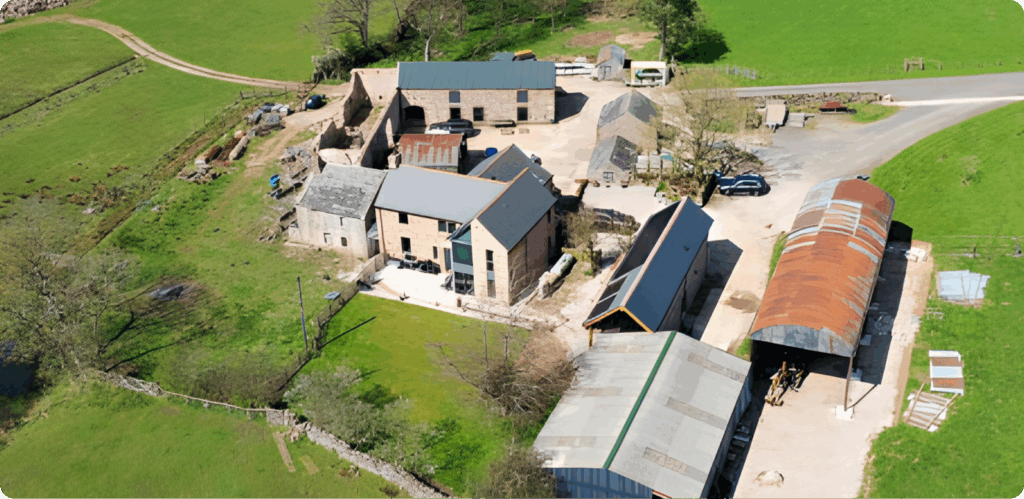
Loan amount: £711,000
Loan term: 18 months
GDV: £1,270,000
LTGDV: 55.98%
Details
The conversion of a traditional stone house and adjoining barn into a high-specification five-bedroom home. The project forms part of the wider redevelopment of a collection of historic farm buildings that the borrowers have been carefully restoring since acquiring the site. Planning permission and Listed Building Consent were already in place, allowing the conversion of the historic agricultural buildings into a 5,597 square foot family home.
Funding
The borrowers already owned the site outright, allowing the development facility to be used entirely to fund the conversion works rather than the acquisition. Their proven track record of delivering high-quality residential projects, combined with a well-considered scheme and realistic appraisal, gave us the confidence to provide an 18-month development loan with a projected LTGDV of 55.98%.
Heavy refurbishment | Lincolnshire
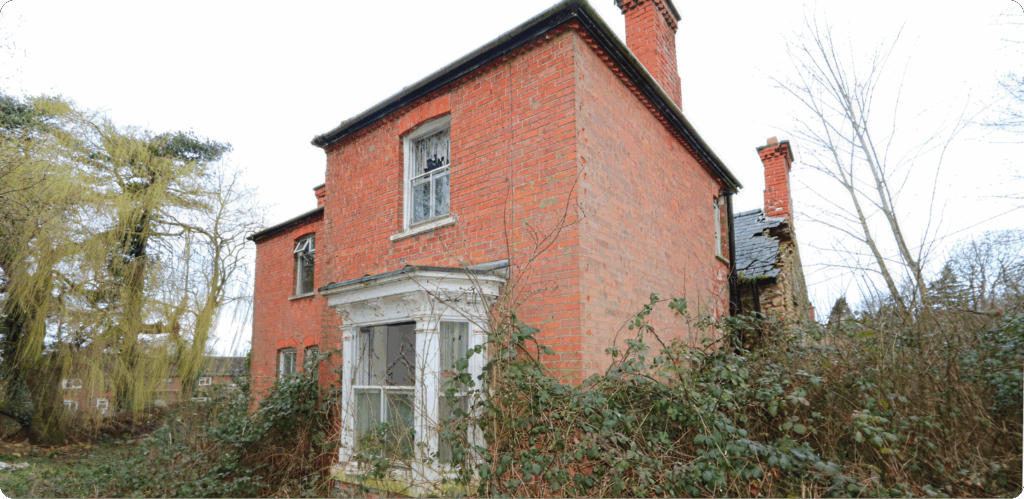
Loan amount: £503,500
Loan term: 18 months
GDV: £720,000
LTGDV: 69.93%
Details
The restoration and extension of a derelict stone-built property with Victorian addition to create a high-specification five-bedroom family home in a Lincolnshire village. Back-to-shell refurbishment, structural repairs and a carefully designed extension, designed to transform the long-vacant building into a modern home, while preserving its historic character. Planning permission was already in place, providing a clear route to redevelopment.
Funding
The development facility funded both the acquisition of the property and the extensive refurbishment works required to bring the long-vacant building back into use. Backed by the borrower’s significant construction and development experience, we were able to support the project with an 18-month development loan at a projected LTGDV of 69.93%, recognising the strength of both the scheme and the delivery team.
Ground-up development | Stirlingshire
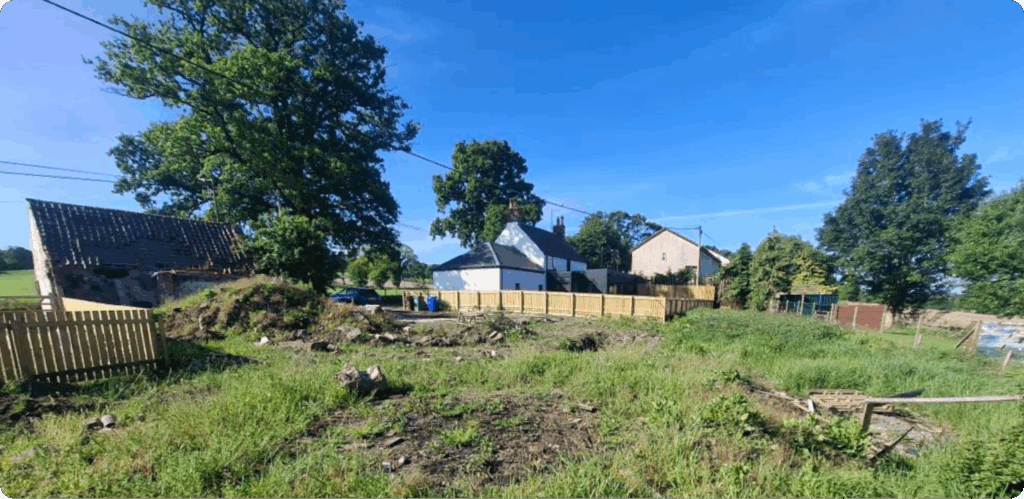
Loan amount: £357,775
Loan term: 12 months
GDV: £560,000
LTGDV: 63.89%
Details
The construction of a high-specification four-bedroom detached home on a vacant development plot in a rural hamlet within commuting distance of Glasgow and Edinburgh. Planning permission was already in place, with the scheme designed to deliver a contemporary family home in an established residential setting. Construction is underway, with site preparation, clearance and foundations already completed.
Funding
As the borrower already owned the development plot, the funding was structured solely to support the construction phase. With planning permission secured, construction underway and an experienced developer leading the project, we provided a 12-month development loan with a projected LTGDV of 63.89%, supporting a well-planned rural development with strong fundamentals.
A more practical approach to rural development finance
As competition for development sites continues to increase, more developers are looking beyond major towns and cities to identify viable opportunities. For brokers, that means working with lenders whose appetite reflects where those opportunities exist.
Rural developments bring their own considerations, but they shouldn’t be judged on geography alone. Looking beyond the postcode allows lenders to make more informed funding decisions, recognising viable opportunities that might otherwise be overlooked.
At CrowdProperty, we combine practical underwriting with local market insight to assess every project on its individual merits. Whether it’s a barn conversion, major refurbishment or ground-up development, our focus is understanding the strength of the opportunity and structuring funding to support successful delivery.
Other articles you may find interesting
How property development finance is evolving for brokers – and why most deals don’t fit the box
Below market value funding – do lenders give enough credit for value created at acquisition?
How does open market value funding affect development viability?
Ready to discuss your next deal?

If you have a deal that doesn’t fit the box, we can help. We specialise in providing straightforward finance for complex projects, for any postcode across England and Wales.
- Rural development projects
- First-time developers
- Barn conversions
- Airspace development
- Modern methods of construction (MMC)
- Below market value purchases
- Deferred payments and soft equity
- Complex borrower structures
We work on open market value funding and can offer up to 70% LTGDV with rolled, retained or hybrid interest.
If you’ve got a deal to discuss, call 0204 525 2251 or contact our Broker team.
We’re property finance by property people. Together we build.