
Our Head of Sales, Steve Smith, discusses the rise of modern methods of construction (MMC) in property development, and why lenders need to embrace these methods, and adjust their funding proposition accordingly.
Article originally published in The Intermediary, September 2026

Steve Smith, CrowdProperty Head of Sales
A development shouldn’t be harder to finance simply because it’s being built differently. Yet that can be the challenge for developers embracing modern methods of construction (MMC), where traditional funding models aren’t always designed around how these projects are delivered.
A viable MMC project can have a very different construction programme, procurement strategy and cashflow profile from a traditional build. If the funding structure doesn’t recognise those differences, finance itself can become an unnecessary obstacle.
MMC is more than modular housing

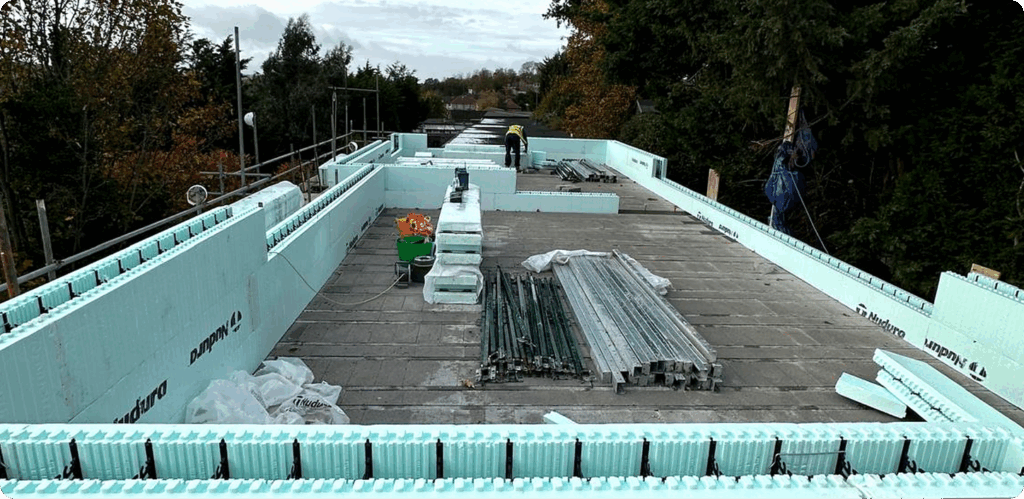
MMC is often associated with fully modular homes constructed in factories and assembled on site. In reality, it encompasses a much broader range of approaches, including volumetric modular construction, panelised systems such as timber or light-gauge steel frames, structural insulated panels (SIPs), insulated concrete formwork (ICF), hybrid construction, and other pre-manufactured elements. These approaches vary considerably, but often involve greater use of manufactured components, standardised processes or construction in controlled environments.
For the right project, MMC can shorten construction programmes, reduce exposure to weather-related delays and support greater consistency and quality control. It can also enable more efficient use of materials and labour – particularly valuable when developers continue to face pressure on build costs and skills availability.
But MMC isn’t automatically lower risk. It can require earlier design decisions and closer coordination between the developer, design team and manufacturer. The construction system, warranties, manufacturer, logistics and installation all need to be properly understood.
The funding structure needs to fit the build
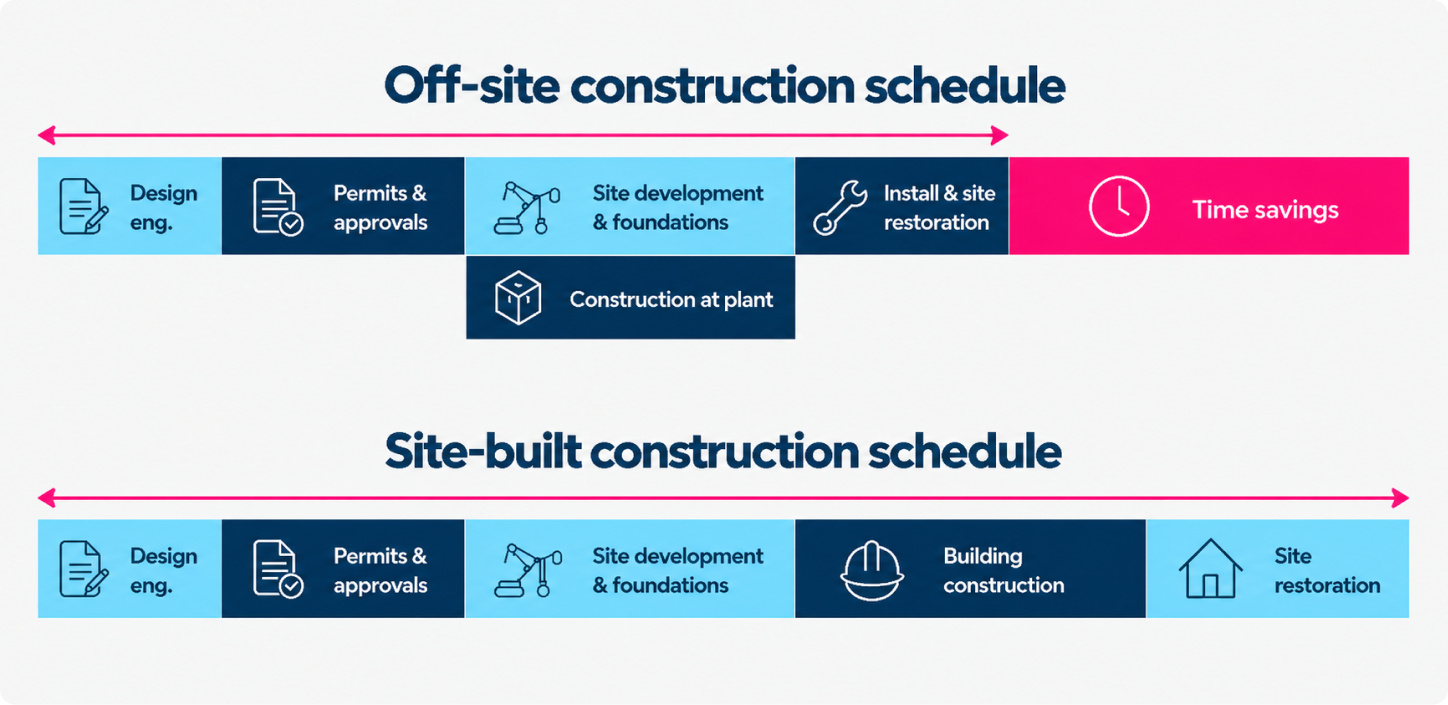
Traditional development lending is structured around progress on site. Work is completed, a monitoring surveyor assesses that progress, and funds are drawn down as the development moves forward. MMC can change that sequence, pushing more expenditure towards the front of the programme.
If significant components are being manufactured off site, for example, the manufacturer may require payment before they reach the development. The value is being created but isn’t yet visible on site.
A lender that will only recognise materials once they arrive can create a funding gap, leaving the developer to finance a substantial part of the manufacturing process. That doesn’t necessarily require lenders to take more risk. It requires them to understand the process and associated risks, and structure the finance accordingly.
Funding off-site construction
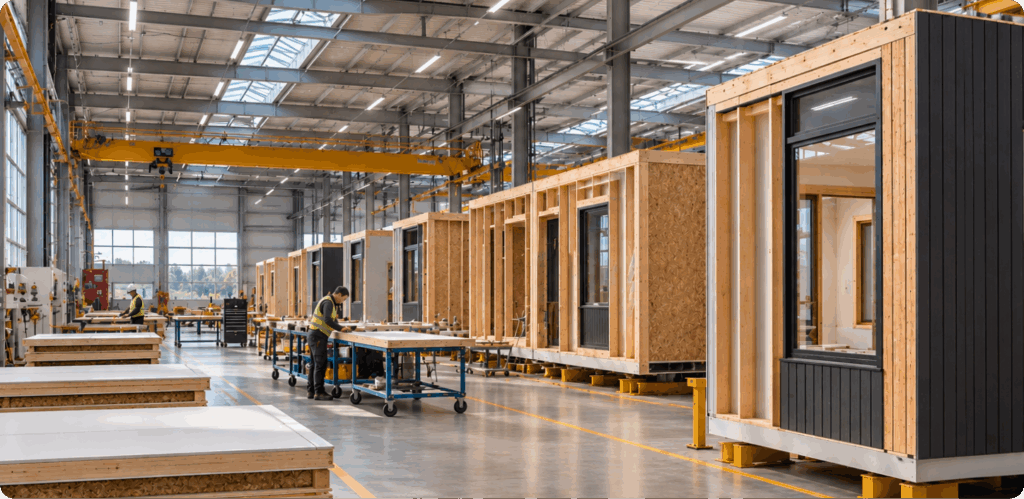
One way we can accommodate this at CrowdProperty is through vesting arrangements. Where appropriate, drawdowns can be made against qualifying components manufactured or held off site. A vesting certificate can establish that ownership of specified materials has transferred to the developer while they remain off site awaiting delivery.
The materials need to be clearly identified, with appropriate arrangements around ownership, storage and insurance. Structured correctly, this allows funding to better reflect how an MMC development is being delivered.
What should brokers consider?

For brokers, an MMC case shouldn’t simply be categorised as “non-standard construction”. Understanding how the project will be delivered is much more useful.
What system is being used? Who is manufacturing it and what is their track record and financial standing? What experience do the developer and project team have with the method? What warranties and certification are available? Will the completed properties be readily mortgageable and insurable? When does the manufacturer need to be paid? And will the proposed lender fund those payments when the developer needs to make them?
These conversations are worth having early. A lender may be comfortable with the completed asset but have a funding process that doesn’t work with the developer’s procurement strategy. Equally, being comfortable funding off-site manufacture shouldn’t mean overlooking the quality of the system, supply chain or planned exit.
Understand the method, not just the label
The answer isn’t for lenders to relax their credit standards for MMC. There are genuine risks that need to be assessed, just as there are with traditional construction. The key is for lenders to have the property and construction expertise required to understand those risks properly.
At CrowdProperty, we’re comfortable considering developments using modern methods of construction because we look at the project, developer, construction method and funding requirements together. That includes understanding when capital needs to be deployed, rather than simply whether the work is already visible on site.
MMC won’t be the answer for every project. But where it is appropriate, the availability of finance shouldn’t be determined by whether the construction method fits a conventional template. If construction continues to evolve, development finance must evolve with it.
Article originally published in The Intermediary, September 2026
Other articles you may find interesting
Can you assess development finance without understanding property?
How does open market value funding affect development viability?
How property development finance is evolving for brokers
A more practical approach to development funding

At CrowdProperty, we recognise that value creation often begins before construction starts. That’s why we take a practical view of below market value acquisitions, assessing the wider picture rather than focusing solely on purchase price or standard lending metrics.
By considering market value, project viability and borrower capability together, we’re often able to support opportunities that might otherwise struggle to fit within conventional funding parameters.
Ready to discuss your next deal?
If you have a deal that doesn’t fit the box, we can help. We specialise in providing straightforward finance for projects that seem anything but.
- First-time developers
- Airspace development
- Barn conversions
- Modern methods of construction (MMC)
- Below market value purchases
- Deferred payments and soft equity
- Complex borrower structures
- Rural projects
We work on open market value funding and can offer up to 70% LTGDV with rolled interest.
If you have a deal to discuss, call 0204 525 2251 or contact our Broker team.
We’re property finance by property people. Together we build.