
Welcome to our Autumn Budget 2026 review, covering the key announcements and their potential impact on property developers, investors and the wider UK property market.
Key takeaways:
- First-time buyer support could strengthen demand for new homes
- Brownfield exemptions and regulatory stability could improve development viability
- Planning reforms aim to reduce delays and improve local decision-making
- Affordable housing investment creates opportunities, but delivery challenges remain
- Property tax and ISA changes could influence investment decisions
Context and market backdrop
The Autumn Budget 2026 placed a strong emphasis on easing the cost of living, with measures to reduce household energy bills alongside changes to taxation and support for the wider economy. While housing and development were not the central focus, several targeted announcements could have important implications for the property sector.
These measures arrive against a challenging market backdrop. House prices have softened, buyer activity remains subdued and developers continue to face pressure from construction costs, planning delays and mortgage affordability.
The Office for Budget Responsibility (OBR) has revised its UK economic growth forecast for 2026 slightly upwards to 1.2%, from 1.1% in March. However, growth is expected to slow to 1% in 2027, while inflation is forecast to peak at 3.8% in the first quarter of next year.
The Budget offers potential support for housing demand and development viability, but its impact will depend on how effectively the measures are implemented.
1. First-time buyer support could strengthen housing demand
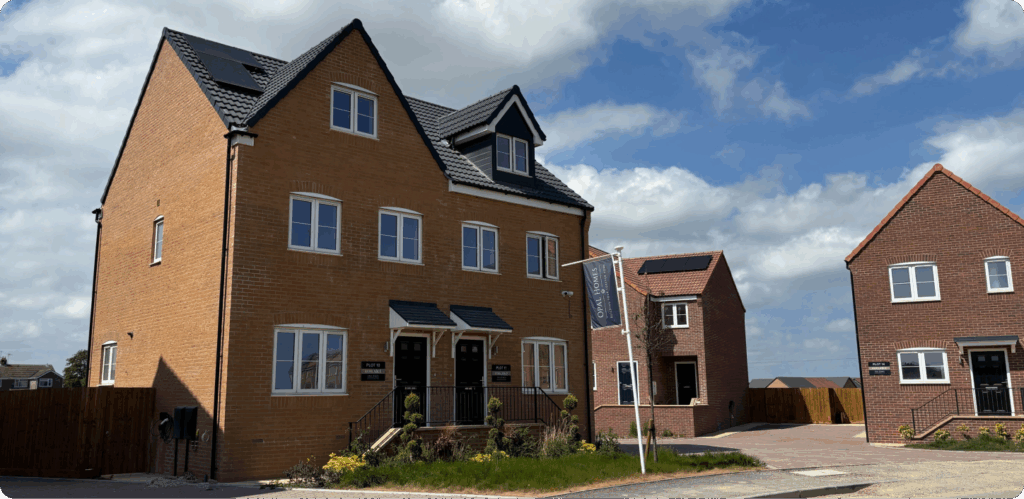
One of the Budget’s most significant housing announcements is Your First Home, a new £4.7 billion equity loan scheme designed to help first-time buyers purchase new-build properties. The scheme is expected to support around 70,000 households in England and contribute to the delivery of an estimated 20,000 additional homes.
Eligible buyers will be able to access a Government equity loan equivalent to 20% of the property’s value, with a minimum deposit of 2.5% and a five-year interest-free period. Household income caps will be £110,000 outside London and £140,000 in London. Property price caps will reflect local authority median prices, with limits of £650,000 in inner London and £500,000 in outer London.
Pre-registration is expected by December 2026, with applications opening in February 2027 and the first loans available from April 2027. Participating developers will contribute towards the scheme’s costs, with a sliding scale intended to protect smaller developments. The contribution rates have not yet been published.
The Government also announced a new First Time Buyer ISA from April 2029, replacing the Lifetime ISA for new savers and offering a 25% Government bonus towards qualifying first-home purchases.
What this means for SME developers
- Increased demand for eligible new-build homes could improve reservations, sales rates and project cash flow.
- Benefits will depend on local price caps, buyer eligibility, mortgage affordability and developer contributions.
- Check scheme eligibility before factoring increased demand into GDV assumptions and exit strategies.
What this means for investors
- Stronger new-build demand could support development exits and loan repayments.
- Construction delays, weaker local demand and lower-than-expected sale prices remain important risks.
2. Brownfield exemptions and regulatory stability could improve development viability
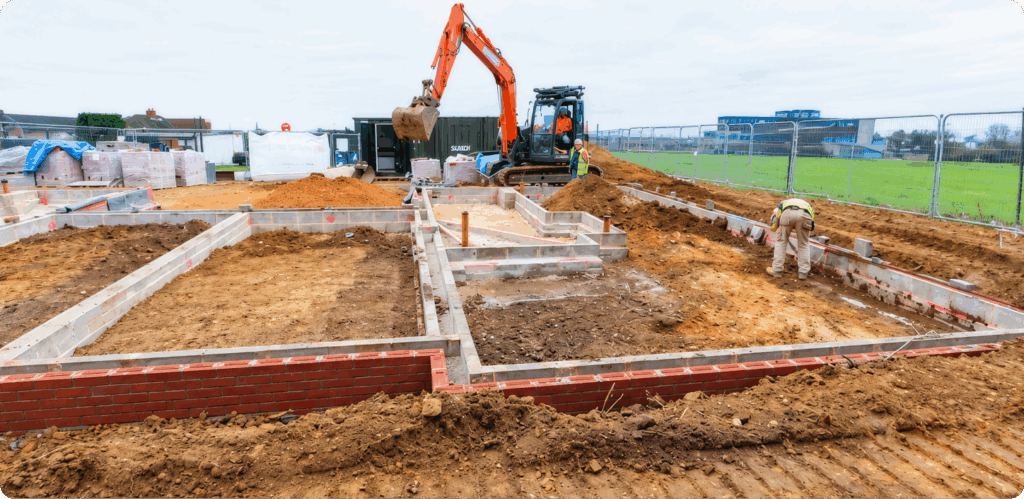
The Budget announced two measures aimed at reducing regulatory pressures and improving certainty for housebuilders.
First, the Government plans to exempt residential brownfield developments on sites of up to 1.5 hectares in England from Biodiversity Net Gain (BNG) requirements.
BNG ordinarily requires qualifying developments to deliver measurable biodiversity improvements, potentially involving additional landscaping, habitat creation or the purchase of biodiversity units.
The exemption is not yet in force, with the implementation timetable to be confirmed following publication of the Government’s consultation response and impact assessment.
Second, the Chancellor confirmed there will be no major changes to building regulations for the remainder of this Parliament, except where necessary to improve building safety, including implementing recommendations from the Grenfell Inquiry.
The Government acknowledged that construction costs have reached record levels, reflecting materials and labour inflation alongside regulatory and policy costs.
What this means for SME developers
- The proposed BNG exemption could reduce costs and improve the viability of qualifying brownfield developments.
- Greater stability in building regulations should help with budgeting, specifications and project planning.
- Existing BNG requirements remain in place until the exemption takes effect.
What this means for investors
- Lower development costs and greater regulatory certainty could improve project economics.
- More predictable budgets and timescales may help developers manage funding and repayments.
- Project viability will still depend on acquisition costs, construction budgets and achievable sales values.
3. Planning reforms aim to reduce delays and improve decision-making
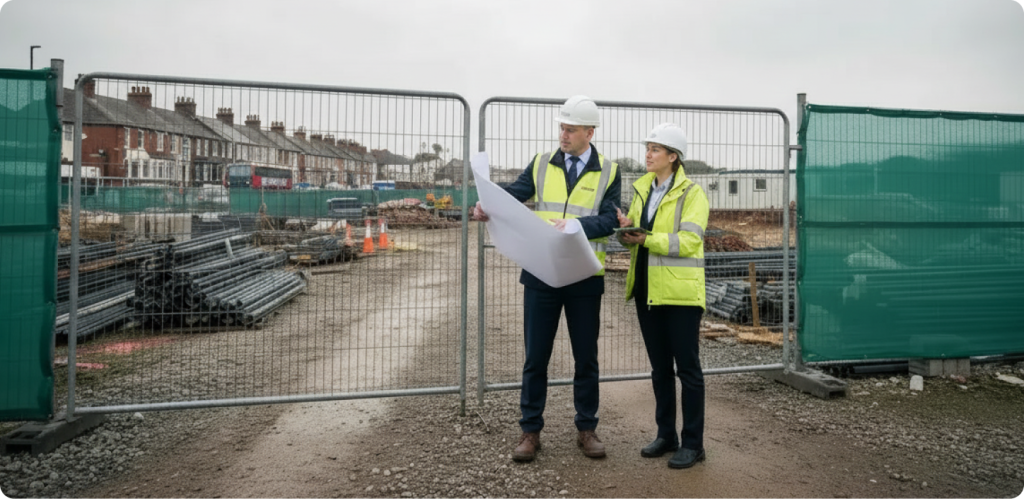
Planning delays remain a significant challenge for SME developers, often increasing holding costs and delaying the delivery of new homes.
The Budget includes commitments to modernise the planning system through digital technology and improved access to information.
Local planning authorities in England will be required to digitise and publish key planning documents as open data by the end of 2027.
The Government also plans to make its PlanAssist AI tool available to all councils in England by the end of 2027, subject to further testing.
Alongside these measures, the Budget outlined greater powers and resources for regional and local authorities, including £150 million to strengthen the capacity and capabilities of strategic authorities.
What this means for SME developers
- Digitised planning information could make site assessments and application preparation easier.
- AI-assisted tools may eventually reduce administrative delays and improve decision-making.
- Benefits will take time, so realistic planning timescales and contingency allowances remain essential.
What this means for investors
- Faster planning decisions could reduce holding costs and delays to development programmes.
- Reforms will take time to implement, and planning risks will remain relevant to individual projects.
4. Affordable housing investment creates opportunities, but delivery challenges remain
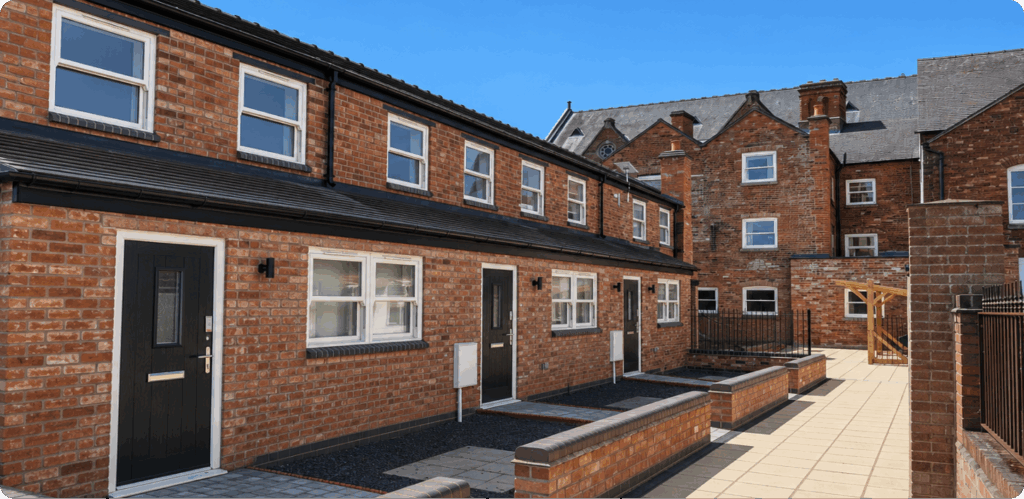
The Chancellor announced an additional £1.5 billion for the Social and Affordable Homes Programme, taking total capital investment to more than £40 billion over ten years.
The additional funding is expected to support approximately 10,000 homes, with priority given to Social Rent and council housing.
Other measures include extending preferential borrowing rates for council housebuilding and introducing a zero rate of VAT on qualifying land sales to registered providers of social housing from April 2027.
However, the construction industry continues to face challenges around skilled labour, contractor capacity and elevated delivery costs.
What this means for SME developers
- Additional funding could create opportunities to work with councils, housing associations and registered providers.
- Qualifying land sales to registered social housing providers could benefit from the new VAT treatment.
- Labour availability, contractor capacity and planning delays will continue to influence delivery.
What this means for investors
- Increased investment could support a broader pipeline of housing development opportunities.
- Affordable housing projects may involve different sales structures and counterparty risks.
- Project viability and repayment arrangements remain central to assessing individual investments.
5. Property tax and ISA changes could influence investment decisions

Alongside the housing announcements, the Budget introduced further changes to the taxation of property and savings income.
Following increases announced at Budget 2025, the Government has announced a further two-percentage-point rise in the rates of income tax on property and savings income from 6 April 2027.
The new rates will be:
Basic rate: 24%
Higher rate: 44%
Additional rate: 49%
The property income rates apply in England, Wales and Northern Ireland, while the savings income rates apply across the UK.
The Government has also abandoned plans to reduce the annual cash ISA limit, retaining it at £20,000. The overall annual ISA subscription allowance remains unchanged at £20,000.
What this means for SME developers
- Higher property income taxes could reduce net returns for landlords and other property investors.
- Developers targeting buy-to-let purchasers should consider the potential impact on demand and exit values.
- Understanding local investor demand remains important when assessing rental-led developments.
What this means for investors
- Higher savings income tax rates could affect after-tax returns on investments outside applicable tax exemptions.
- The £20,000 annual ISA allowance remains unchanged, preserving existing tax-efficient investment opportunities.
- Tax treatment should be considered alongside investment risks, liquidity and expected returns.
What happens next?
The Autumn Budget 2026 introduces targeted measures that could support housing demand, improve development viability and create opportunities for SME developers.
The Your First Home scheme, proposed BNG exemption and commitment to regulatory stability are particularly relevant, while planning reforms and affordable housing investment could support longer-term housing delivery.
However, the underlying challenges of construction costs, planning delays and buyer affordability remain.
For developers, realistic appraisals, careful cost management and achievable exit strategies will continue to be essential. For investors, the focus remains on individual project viability, risks and repayment prospects.
Ultimately, the effectiveness of these announcements will be measured by how successfully they translate into completed homes.
Further resources
Supporting documents for the Autumn Budget 2026
Office for Budget Responsibility (OBR) Economic and Fiscal Outlook