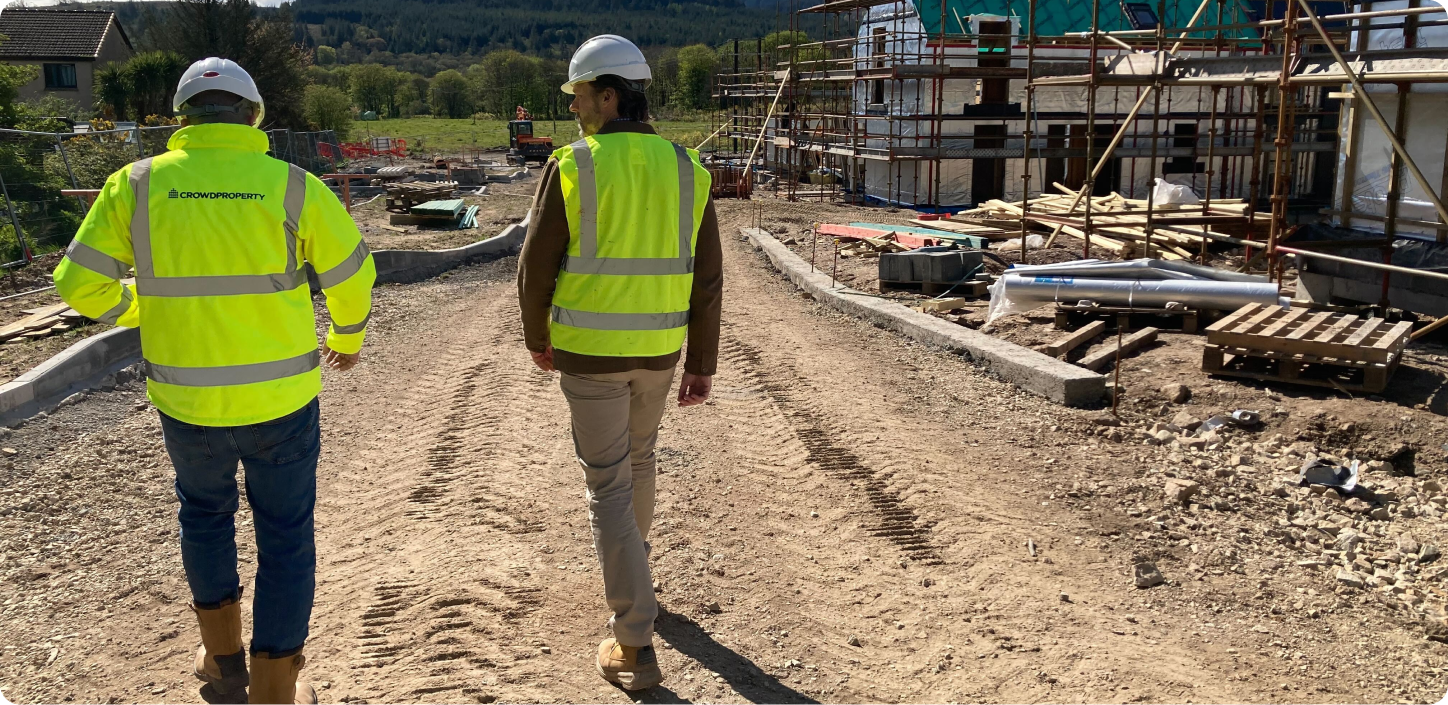
Investing in property development involves risks that can affect when your money is repaid and how much you ultimately receive. Understanding these risks is an important part of making an informed investment decision.
Don’t invest unless you’re prepared to lose all the money you invest. This is a high-risk investment and you are unlikely to be protected if something goes wrong. Take two minutes to learn more →
Property development involves coordinating finance, construction and professional expertise, before ultimately selling or refinancing the completed property. Changes in any of these areas can affect a project’s progress and financial performance.
Construction costs can rise, contractors can encounter difficulties, planning requirements can create delays and property values can fall. These risks can also interact, increasing the pressure on a development. For investors, the consequences can include delayed repayment, reduced returns or loss of capital.
This guide explains the main risks associated with property development lending, how they can affect investor returns and what to consider before investing.
Why is property development considered high risk?
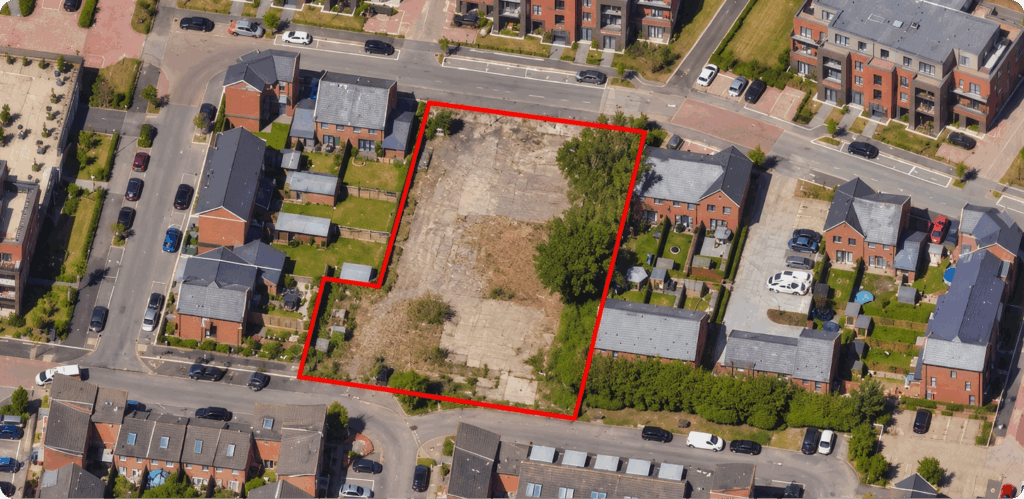
Unlike an established business generating regular income, property development typically requires significant expenditure before the finished asset produces a return.
Capital is needed to acquire property, obtain approvals, pay professional fees and fund construction. The developer generally relies on selling or refinancing the completed property to repay the development finance. This creates an important characteristic of development finance: money goes into the project significantly earlier than money comes out.
Risks also change as a project progresses. Planning and acquisition uncertainties may dominate the early stages, construction costs and contractors become important during delivery, and sales or refinancing conditions are critical towards completion. Successfully navigating one stage does not remove the risks that follow.
Developer risk – why the borrower matters
A development depends not only on the quality of the project but also on the people responsible for delivering it. The developer must coordinate contractors and advisers, manage costs and cashflow, respond to problems and deliver the project’s exit strategy.
Experience can help developers anticipate and manage challenges, although a successful track record does not guarantee future performance.
Financial resources are equally important. Unexpected expenditure or delays may require additional capital, and a developer with limited resources may have fewer options when circumstances change.
The strength of the wider professional team, including contractors, architects, engineers and quantity surveyors, can also influence the outcome.
Construction risks – when costs and timescales change
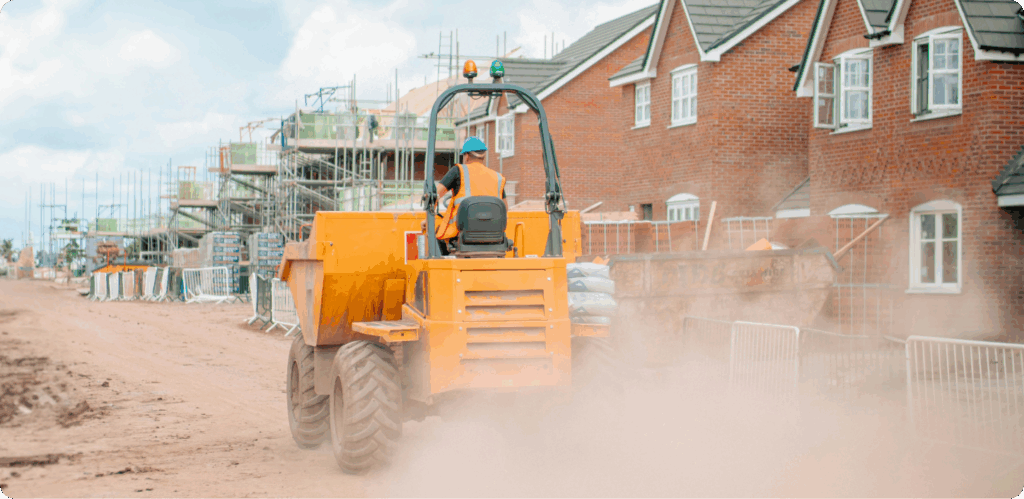
Construction budgets are estimates, not guarantees of final expenditure. Materials, labour and specialist trades can become more expensive. Unexpected physical conditions can also emerge, particularly during conversions and refurbishments.
Consider a scheme converting a former industrial building. The budget includes a contingency, but demolition reveals asbestos in areas the original survey did not cover. Safe removal increases costs and delays construction.
Contractors and suppliers create further dependencies. If a contractor experiences financial difficulties or cannot complete work, finding a replacement may involve additional costs and delays.
Contingency allowances help absorb unexpected costs, but significant overruns can require additional funding and even threaten a project’s viability.
Planning and regulatory risks
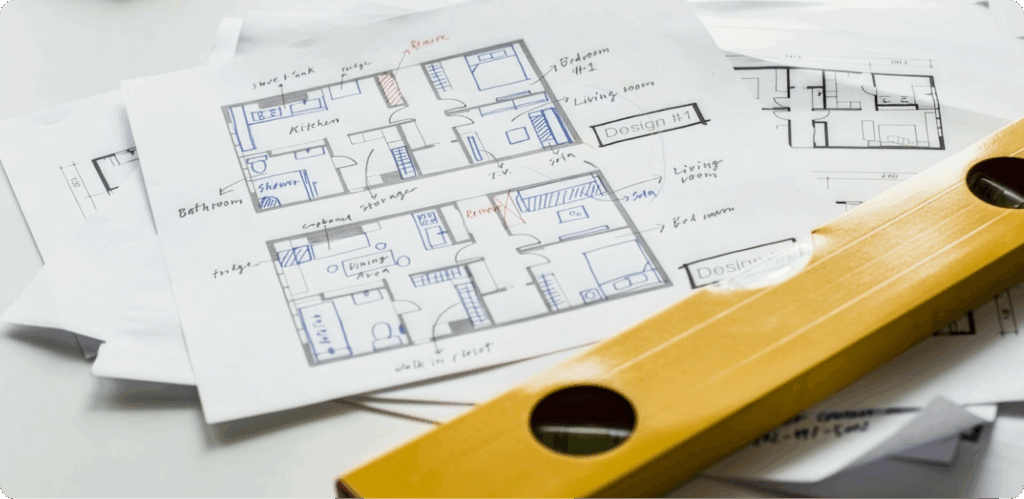
Planning permission does not necessarily mean every statutory or regulatory requirement has been resolved. Developments may still need to satisfy planning conditions, building regulations, environmental obligations, utility requirements and other approvals.
Design changes can increase costs, while delayed approvals or utility connections can disrupt construction. Changes in legislation or regulation during a longer project can introduce further requirements.
These issues can affect both the budget and the development programme, even where the original planning permission remains valid.
Financial viability – why costs, values and time matter

A development’s viability depends on the relationship between its total costs and the expected value of the completed property.
If construction costs rise or anticipated sales values fall, the project’s profit margin narrows. Financial headroom can absorb some adverse movement, but several problems occurring together can have a much greater impact.
Time adds another dimension. Delays can increase professional fees, insurance, site expenditure and finance costs, while leaving the project exposed to market changes for longer.
For investors, this may mean capital remains committed beyond the expected loan term. An anticipated repayment date is not a guarantee.
Property market and exit risks
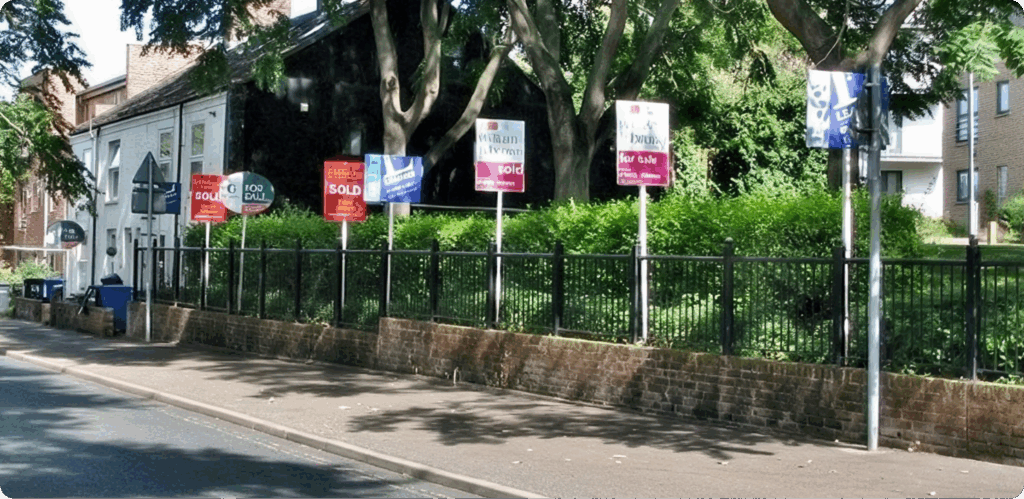
A development can begin in a strong housing market but reach completion under very different conditions. Interest rates, mortgage availability, consumer confidence and local demand can influence property values and how quickly homes sell. The UK’s long-term need for housing does not guarantee demand for an individual property at a particular price.
The expected value of the completed development – Gross Development Value (GDV) – is a key assumption in the original appraisal. If properties sell for less than anticipated, the developer receives less money.
Repayment commonly depends on one of two exit strategies: selling the completed properties or refinancing them. A sales exit requires sufficient buyers at achievable prices. A refinancing exit depends on another lender providing finance on acceptable terms.
Both can become more difficult if market conditions change. A development may therefore be successfully constructed but still encounter problems repaying its loan.
How development risks can interact
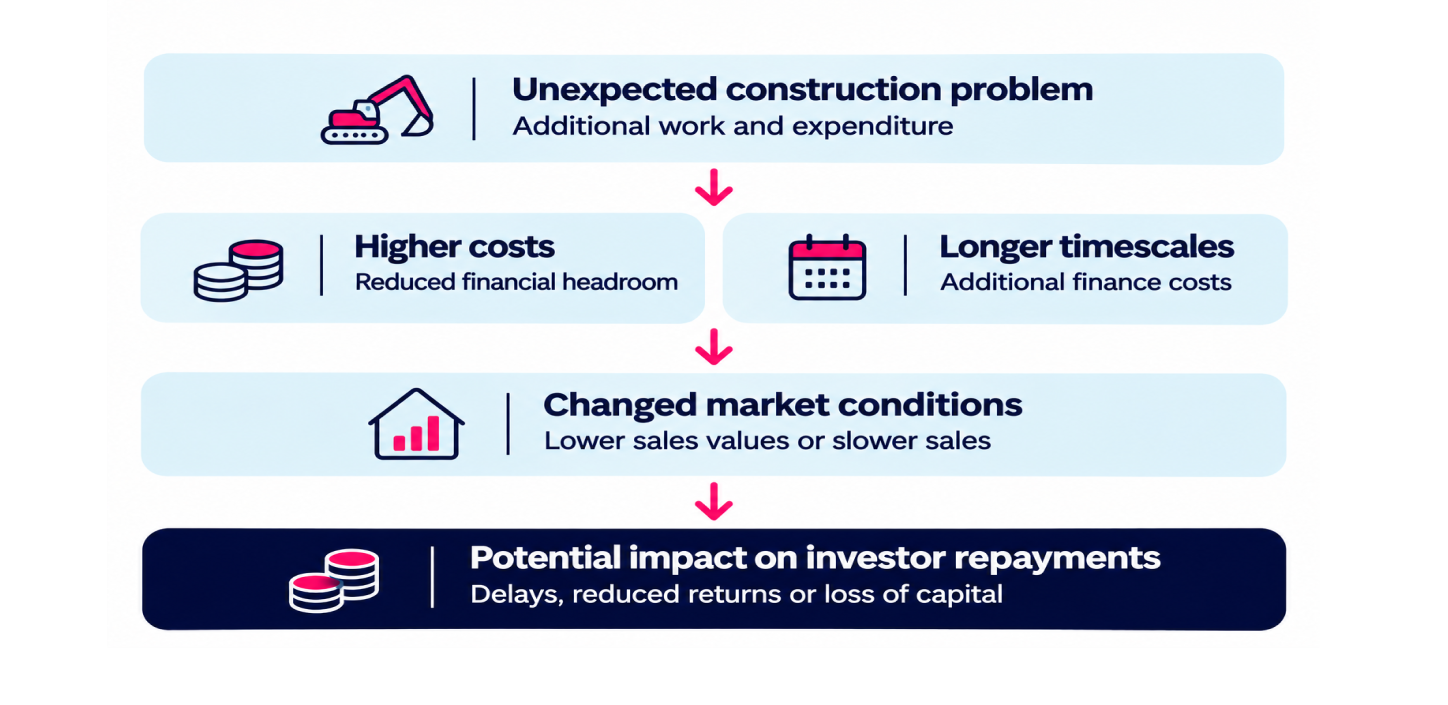
Development risks rarely operate independently. Imagine an unexpected construction problem increases costs and delays completion by three months. The longer programme creates additional finance and site costs.
By the time the properties reach the market, buyer demand has weakened. Sales take longer or offers fall below expectations, extending the loan further.
What began as a construction issue has now affected costs, timescales, profitability and repayment.
This interaction between cost, time and value is one reason property development remains inherently uncertain.
What do these risks mean for investors?
Your capital cannot be accessed early. Individual CrowdProperty loan investments cannot be withdrawn or sold before repayment. Delays may therefore leave your money committed for longer than expected.
Individual projects create concentration risk. The outcome of an investment depends on a particular borrower and development. Diversifying across projects can reduce reliance on one outcome, but cannot eliminate investment risk.
Repayment is not guaranteed. Difficulties can result in delays, default or recovery action. Investors may receive less than expected or lose some or all of their capital. A delayed loan does not automatically mean a loss, but neither the expected return nor repayment date is guaranteed.
Questions to ask before you invest
Before committing capital, consider:
- Can I afford to lose this money? Only invest capital you could afford to lose in full.
- Can I leave it invested for longer than expected? Individual loan investments cannot be withdrawn early.
- Do I understand the development and its exit strategy? How is the project expected to generate the money needed for repayment?
- What experience and financial resources does the developer have? Could they respond to unexpected difficulties?
- How concentrated is my investment? What would the impact be if this particular project encountered problems?
- Have I read the specific loan information and risk summary? General guidance cannot replace assessing an individual investment.
Understanding risk before you invest
Property development risk extends from acquisition and construction through to the eventual sale or refinancing. Understanding these uncertainties means looking beyond the headline interest rate and considering the project, developer, exit strategy and potential consequences for your capital.
For a fuller understanding of investment risk and our process, follow the links below to explore our other articles, guides and resources.
Don’t invest unless you’re prepared to lose all the money you invest. This is a high-risk investment and you are unlikely to be protected if something goes wrong. Take two minutes to learn more →
Your capital is at risk. No FSCS protection. Past performance is not an indicator of future results. Tax treatment depends on individual circumstances and may change
Useful links and resources

To learn more about CrowdProperty and our investment options, click to view our Investor pages:
Learn about investing
IFISA
AutoInvest
Pensions
If you have any questions, read our FAQ, email our Investor Relations Team or call 020 3012 0161.
For more detail on our process and platform, complete the form below to download our Investor Guide

Investor guide
Learn how to choose your investment options, manage your portfolio, and safeguard your money.