
Development finance is built on numbers – but for brokers placing a case, finding the right lender can depend on whether they understand the property, developer and opportunity behind them.
Every development finance application comes with numbers. Purchase price. Build costs. Gross Development Value (GDV). Loan amount. Loan to value. Loan to GDV. Developer profit. Term. Exit. They are fundamental to assessing whether a development is viable and how finance can be structured. But numbers only tell part of the story.
A £2 million GDV means little without considering what is being built, where it is, who is likely to buy it and whether the proposed specification and sales values are realistic for that market. A construction budget might work at headline level but fail to reflect the complexity of what is being delivered.
For brokers, this raises an important question when placing a case: can a lender properly assess a development from the numbers alone, or do they need to understand the property opportunity behind them?
Understanding the opportunity behind the numbers
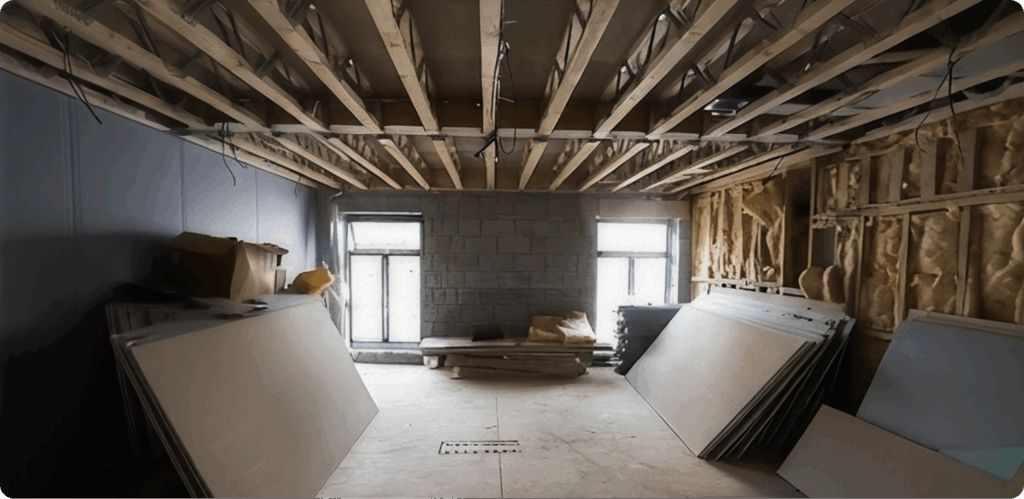
A development appraisal brings together a series of assumptions about what a project will cost, how long it will take and what the completed development will be worth. Those assumptions need to make sense together.
A lender needs to consider whether the purchase price is appropriate, whether the proposed works create value and whether the construction budget reflects the development being delivered. The GDV needs similar scrutiny. Is it realistic for the location, property type and specification? What comparable evidence supports it? Who is the likely buyer and what can they afford?
The programme matters too. A development taking three months longer than anticipated doesn’t just affect the completion date – it can mean additional site, professional and finance costs and potentially a different market by the time the properties are ready for sale. The numbers are therefore essential, but understanding what sits behind them is what gives them meaning. robust, or whether the developer has assembled the right team to deliver the project successfully.
Not every viable development fits standard criteria
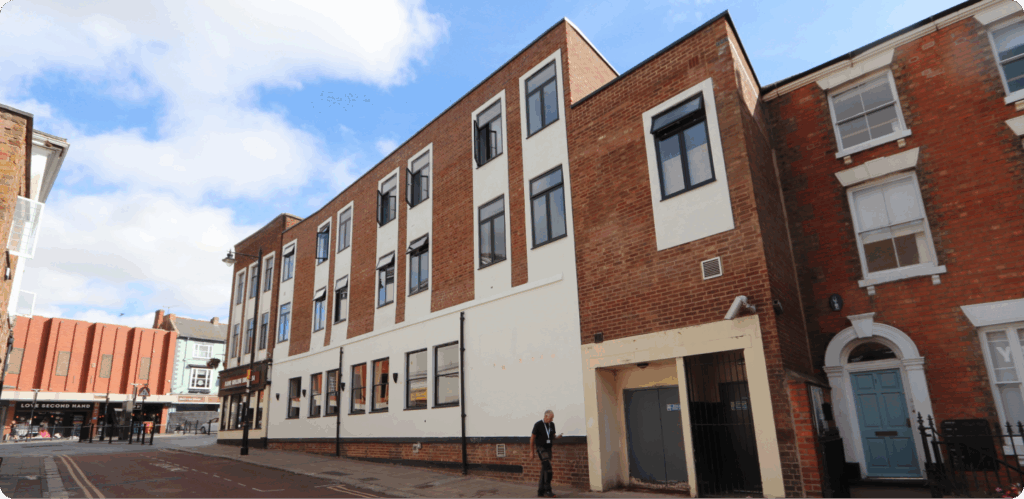
Property development comes in many forms, and some opportunities don’t fit comfortably into conventional lending boxes. For brokers, this is often where understanding a lender’s appetite beyond its headline criteria becomes particularly important.
A below-market-value acquisition is one example. Looking only at the purchase price may not provide the full picture if the property is being acquired below its underlying market value. Planning gain can be another important source of value. A site or building may be worth substantially more with permission for a different or more intensive use, but assessing that opportunity requires more than looking at its current condition.
The same principle applies across a wide range of development types. A rural location may have a smaller pool of comparable transactions, but that doesn’t automatically make it a poor development opportunity. A barn conversion can require very different considerations from a conventional new build. Airspace development presents its own technical, legal and logistical challenges. Modern methods of construction can change the way a development is designed, built and funded.
These characteristics shouldn’t automatically make a project suitable for finance. But nor should they automatically rule it out. The important question is whether the lender understands the project well enough to assess the risks on their merits.
What about first-time developers?
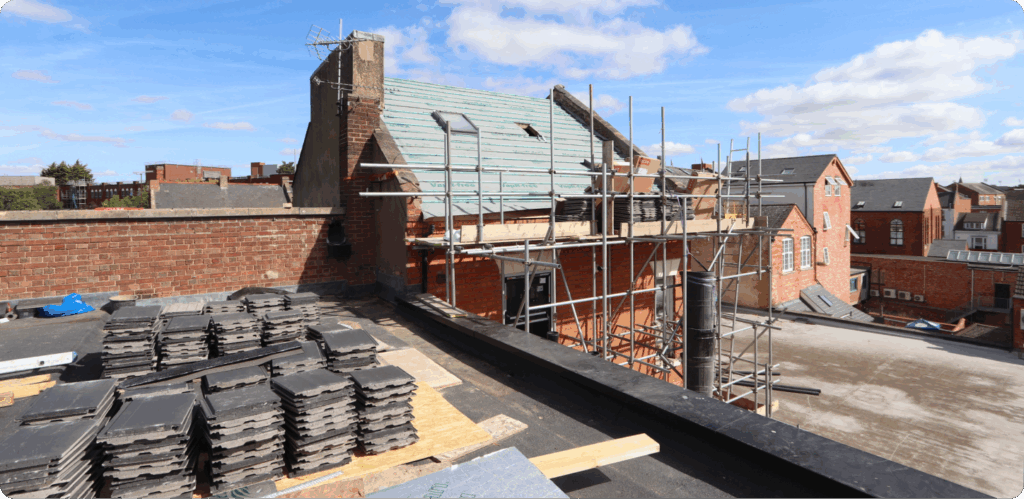
Developer experience is another area where headline criteria may not tell the whole story. Experience is an important consideration when assessing development finance, but the number of previously completed projects is only one part of that assessment. Every experienced developer had a first development.
Someone undertaking their first project with relevant property or construction experience, meaningful capital invested and an experienced professional team represents a very different proposition from someone approaching a complex development without those foundations.
The nature of the project matters too. The experience required to deliver a straightforward refurbishment isn’t necessarily the same as that required for a complex conversion or multi-unit ground-up development.
Assessing the developer therefore means looking at them in context: their experience, financial commitment, professional team and ability to deliver the proposed project. For brokers with credible first-time developer clients, understanding how a lender approaches that wider picture can be just as important as whether its criteria simply state that first-time developers are considered.
Does the construction strategy make sense?

A realistic construction budget is essential, but again, the total at the bottom of the spreadsheet isn’t enough. Does the budget contain sufficient detail? Does it reflect the latest design? Have key packages been properly costed? Are utilities, professional fees and statutory costs adequately allowed for? Is there an appropriate contingency?
The procurement strategy also needs to make sense for the project and developer. This becomes particularly important where the construction method is less conventional. Modern methods of construction, for example, can involve significant components being manufactured away from the development site and more expenditure occurring earlier in the programme.
A lender that understands the construction strategy can assess those differences and structure the finance accordingly, rather than simply deciding the project falls outside a standard model.
Why property expertise matters when circumstances change
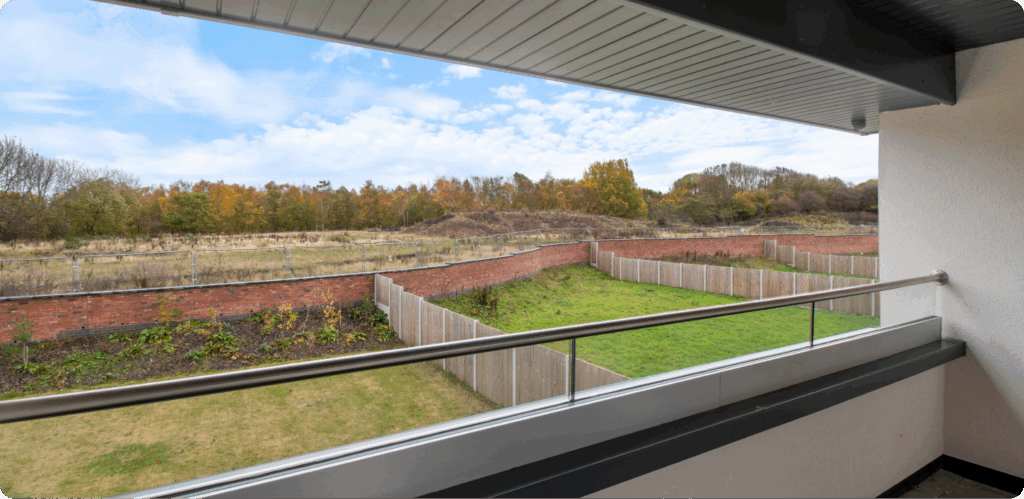
The importance of property expertise doesn’t end when the loan completes. Projects evolve. Costs can increase. Contractors can change. Planning or technical requirements can emerge. Programmes can slip. Sales can take longer than expected. A developer may need to alter the specification, construction strategy or proposed exit.
Not every change fundamentally undermines a development. When something changes, the important questions are what caused it, what effect it will have on the wider project and whether there is a practical route forward. A lender that understands the property and development strategy is better placed to assess the significance of that change.
A three-month delay, for example, isn’t simply a revised date on a spreadsheet. What caused the delay? What additional costs will it create? Is there sufficient contingency or financial headroom? Does it affect the sales programme? Has anything changed in the local market?
For brokers, this matters because the lender relationship doesn’t necessarily end once a client completes their facility. Property expertise can become particularly valuable at precisely the point when a development stops following the original plan.
Does the exit make sense?
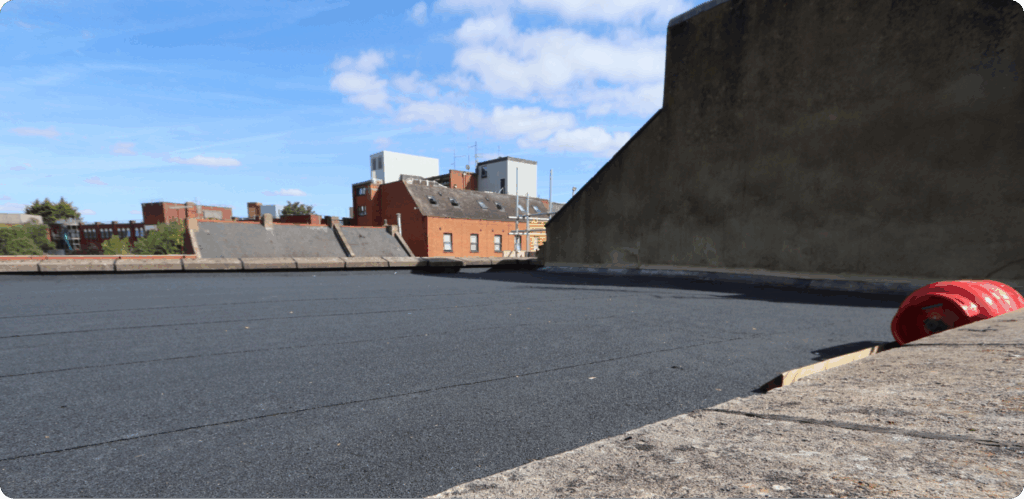
Every development loan needs a credible route to repayment. For many projects, that will be the sale of the completed properties. Others may rely on refinancing once the development is finished.
For a sales exit, knowledge of the property and local market is fundamental to the assessment. Who is going to buy it? Is the specification appropriate for that audience? Are the proposed prices supported by the local market? How quickly are comparable properties selling? What happens if sales take longer or values are lower than anticipated?
The same applies to refinancing. The completed asset needs to support the proposed refinance, and the assumptions around its value, use and potential income need to be realistic.
A project can be successfully built and still encounter difficulties at exit. Assessing the exit therefore requires more than accepting a GDV figure or proposed refinance – it means understanding the completed property and the market into which it will emerge.
Property expertise isn’t a substitute for credit discipline

Understanding a development doesn’t mean finding reasons to make every project work. Sometimes the right lending decision is no. Property expertise should complement robust credit assessment, not replace it.
A lender still needs to consider leverage, borrower contribution, construction costs, contingency, valuation, security and the ability of the project to withstand changes to key assumptions. The difference is that those factors can be considered in the context of the actual development rather than as numbers in isolation.
This is particularly important for projects outside the mainstream. Greater complexity doesn’t justify weaker lending standards – it can require greater scrutiny and a deeper understanding of the risks involved.
What should brokers look for in a development finance lender?

Pricing and headline lending criteria will naturally be important when deciding where to place a development finance case. But it’s also worth considering how a prospective lender will approach the project itself.
Can you discuss the case with someone who understands property? Does the lender have experience of that type of project? Will they consider the commercial rationale behind something that doesn’t immediately fit standard criteria? Can they structure the facility around how the development will actually be delivered? And if circumstances change, will they understand what that means for the project as a whole?
These questions can be particularly important when placing complex or non-standard cases. A conversation with the lender early in the process can help establish whether there is a genuine appetite for the opportunity – not simply whether it appears to fit the criteria on paper.
Property finance needs property understanding
At CrowdProperty, we believe robust credit assessment and property expertise should work together. That means understanding the developer, site, planning position, construction strategy, costs, values and exit – and, importantly, how all of those elements interact.
It’s why we can consider projects ranging from conventional ground-up development and refurbishment to barn conversions, airspace, modern methods of construction and other opportunities that may not fit standard lending criteria. It also means considering first-time developers where the project, experience and wider team provide a credible basis for delivery.
For brokers, that means having a lender that can look beyond whether a case fits a standard template and assess the opportunity on its merits. Because a development isn’t a spreadsheet. The numbers matter. But understanding the property opportunity behind them matters too.
Other articles you may find interesting
How property development finance is evolving for brokers – and why most deals don’t fit the box
Below market value funding – do lenders give enough credit for value created at acquisition?
How does open market value funding affect development viability?
Ready to discuss your next case?

If you have a client case that doesn’t fit the box, we can help. We specialise in providing straightforward finance for complex projects, for any postcode across England and Wales.
- Rural development projects
- First-time developers
- Barn conversions
- Airspace development
- Modern methods of construction (MMC)
- Below market value purchases
- Deferred payments and soft equity
- Complex borrower structures
We work on open market value funding and can offer up to 70% LTGDV with rolled, retained or hybrid interest.
If you’ve got a case to discuss, call 0204 525 2251 or contact our Broker team.
We’re property finance by property people. Together we build.