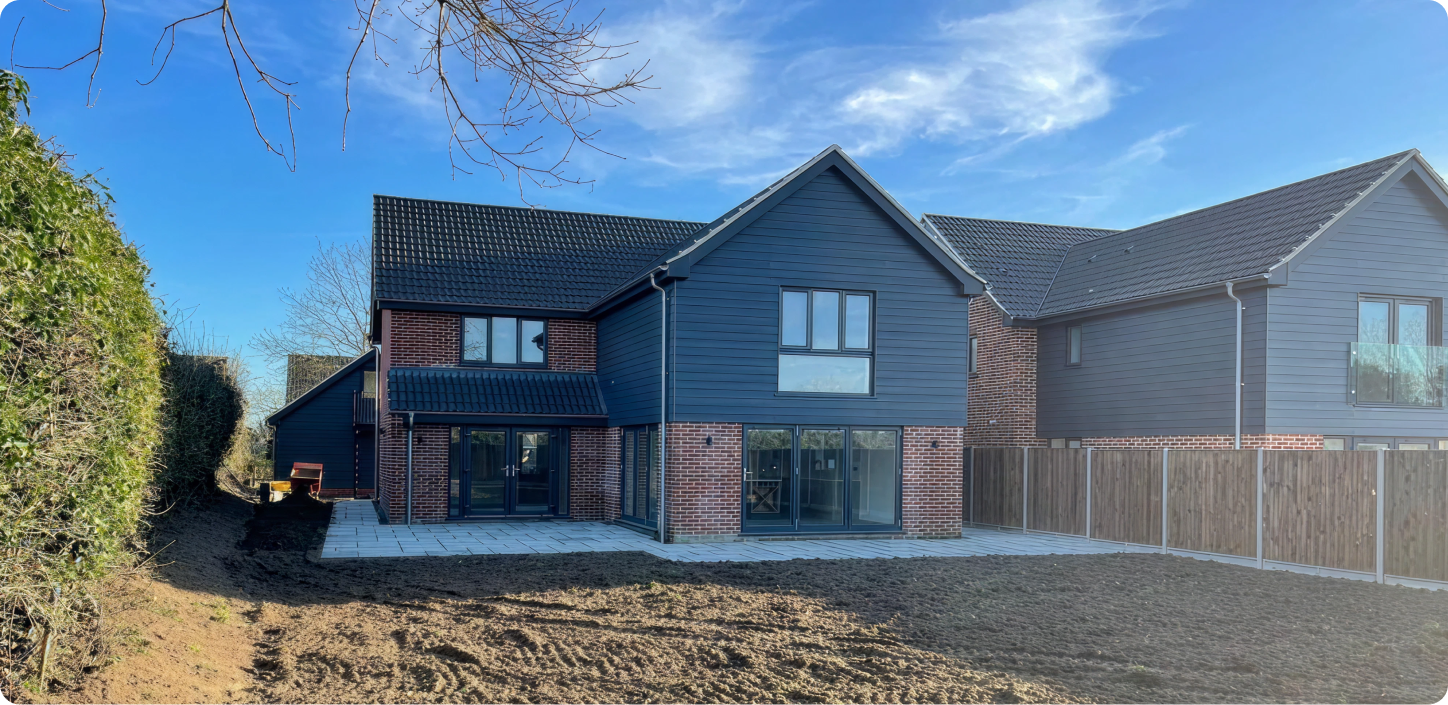
Every experienced property developer completed their first project at some point, but entering the development market for the first time can present a unique set of challenges.
From finding the right site and securing planning permission to managing construction costs and arranging funding, there are countless decisions that can influence the success of a project. While experience helps, it’s not the only factor that determines a successful development. Preparation, planning and the quality of the team around you are often just as important.
This guide explores the key considerations for first-time property developers, with practical advice to help maximise your chances of delivering a successful project.
Why does buying the right site matter so much?
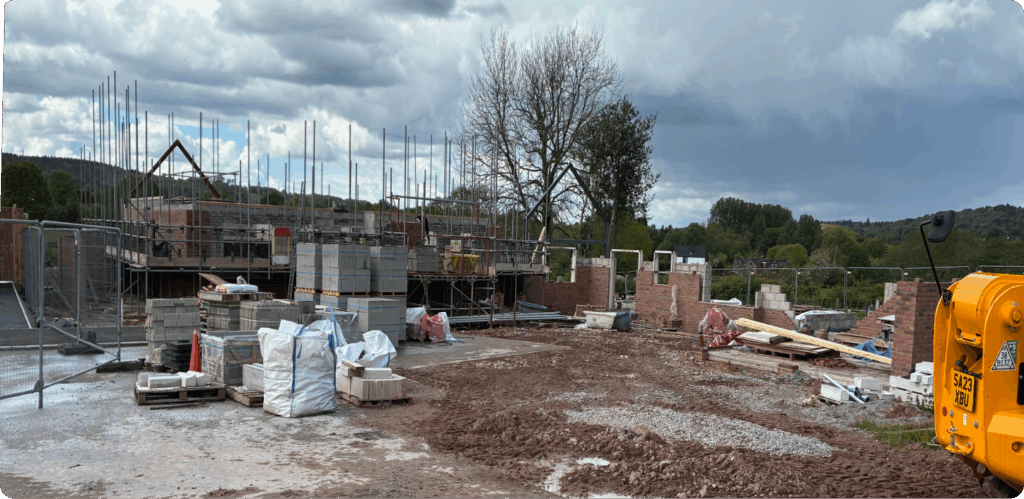
Many development challenges can be traced back to the original acquisition.
It’s easy to become focused on securing a site, particularly when opportunities appear limited. However, successful developments are rarely created by acquisition alone. They begin with thorough due diligence and a clear understanding of whether a site can support a viable scheme.
Before committing to a purchase, developers should carefully assess:
- Planning potential
- Local market demand
- Comparable sales evidence
- Build costs
- Access and infrastructure requirements
- Exit strategy
Buying well creates a solid platform for success, and enables flexibility throughout the project. Buying poorly can make even a well-managed development difficult to deliver profitably.
The strongest sites aren’t always the cheapest or the most obvious. They’re the ones where the numbers work, the risks are understood and there is a clear path to delivery.
How important is planning for first-time developers?

Planning is one of the most important stages of any development project and one of the most commonly underestimated.
Many first-time developers focus heavily on design and construction but don’t fully appreciate the time, complexity and uncertainty that can exist within the planning process.
Developers should take time to understand:
- Local planning policy
- Site-specific constraints
- Environmental considerations
- Community engagement requirements
- Infrastructure obligations
- Realistic planning timescales
It’s also important to recognise that planning outcomes can affect every aspect of a scheme, from viability and design through to funding and delivery.
Engaging an experienced planning consultant early can often help identify potential issues before significant time and money have been invested.
Why is having the right professional team so important?

One of the biggest advantages a first-time developer can create is surrounding themselves with experienced professionals.
No developer is expected to be an expert in every aspect of the process. Successful projects rely on a range of specialist skills and advisers, including:
- Architects
- Planning consultants
- Quantity surveyors
- Structural engineers
- Contractors
- Project managers
- Legal advisers
A strong team helps improve decision-making, identify risks early and maintain momentum throughout the project lifecycle.
In many cases, the quality of the team involved can be just as important as the developer’s own track record. Experienced advisers can bridge knowledge gaps, while providing reassurance to lenders, investors and other stakeholders.
For first-time developers, a capable team can often be the difference between a project that progresses smoothly and one that encounters avoidable setbacks.
How should first-time developers approach development finance?
Funding is often one of the biggest obstacles for first-time developers.
While it can be tempting to focus on headline leverage or interest rates, development finance should be viewed as part of the wider delivery strategy.
Developers need to understand not only how much funding is required, but also how cashflow will work throughout the project.
That means accounting for:
- Acquisition costs
- Build costs
- Professional fees
- Interest costs
- Contingencies
- Sales and marketing costs
- Exit costs
A robust development appraisal should include realistic assumptions and sufficient contingency for unexpected events.
The objective shouldn’t simply be to maximise leverage. It should be to secure funding that supports successful project delivery from start to finish.
What do lenders look for when assessing first-time developers?
A common misconception is that development finance is only available to experienced developers.
While some lenders place significant emphasis on previous completed projects, many take a broader view of capability and project viability.
Lenders will often assess factors including:
- Relevant professional experience
- Construction or property knowledge
- Project viability
- Strength of the professional team
- Personal financial position
- Quality of the proposed scheme
A completed development track record can provide reassurance, but it isn’t the only indicator of whether someone can successfully deliver a project.
Many first-time developers bring valuable experience from sectors such as construction, architecture, surveying, project management, engineering or property investment.
The key is demonstrating that the skills, support and planning are in place to manage risk and deliver the scheme successfully.
What documents should first-time developers prepare?

Preparation is one of the most effective ways to improve both project outcomes and funding discussions.
The more information a developer can provide, the easier it becomes for advisers, consultants and lenders to assess the opportunity, make the right judgements, and give effective advice.
Typically, developers should expect to prepare:
- A development appraisal
- Build cost estimates
- Planning information
- Site details
- Schedule of works
- Comparable sales evidence
- Details of the professional team
- Personal profile or CV
- Asset and liability information
- Exit strategy
Well-prepared documentation demonstrates professionalism, helps identify weaknesses early and can significantly improve the speed of decision-making.
It’s often one of the clearest indicators that a developer understands the project they’re undertaking.
What mistakes should first-time developers avoid?
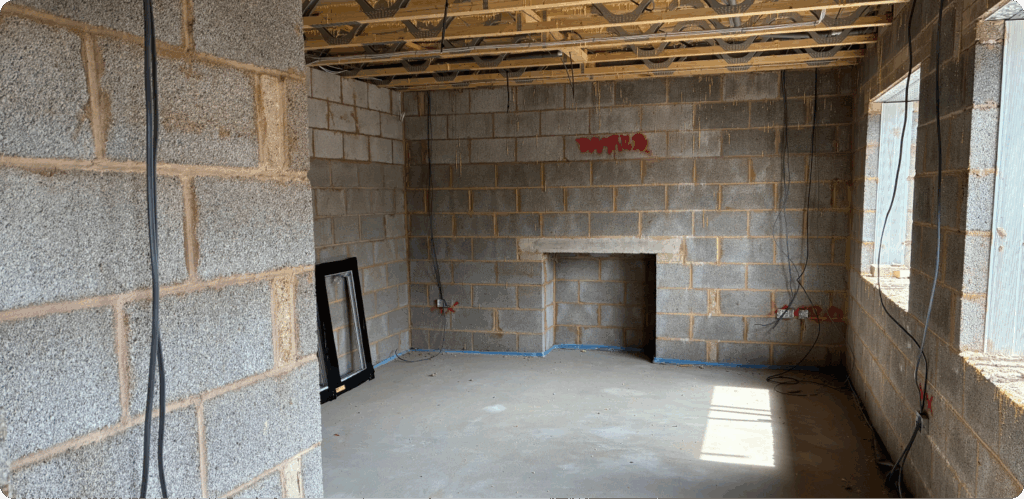
Every development project carries risk, but certain mistakes tend to appear more frequently among first-time developers.
Common examples include:
- Overpaying for land
- Underestimating build costs
- Using overly optimistic GDV assumptions
- Inadequate contingency planning
- Weak professional teams
- Poor cashflow management
- Leaving funding discussions too late
Many of these issues are avoidable.
Thorough due diligence, realistic assumptions and early engagement with experienced advisers can significantly reduce project risk.
The most successful first-time developers are often those who remain disciplined in their decision-making and cautious in their assumptions.
Can first-time property developers secure development finance?
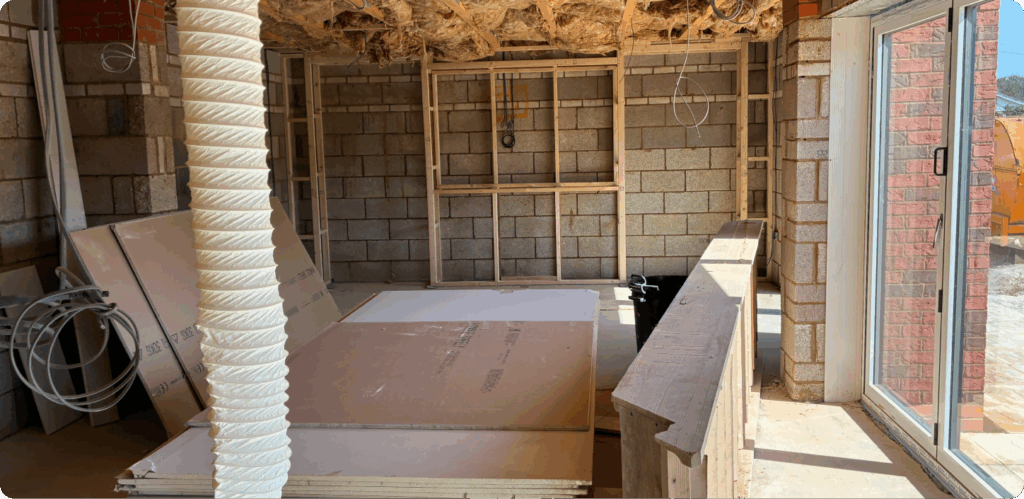
The simple answer is yes.
At CrowdProperty, we regularly consider first-time developers and recognise that every experienced developer had to complete a first project at some point.
While experience is important, we believe capability matters too.
Rather than focusing solely on completed developments, we assess the wider picture, including:
- The quality of the proposed project
- The strength of the professional team
- Relevant experience and skills
- Project viability
- The developer’s ability to deliver
This means looking beyond completed projects and understanding the factors that genuinely contribute to successful delivery.
While other lenders may demand experience, we recognise that successful projects aren’t defined by track record alone. We assess the quality of the opportunity, the capability of the developer, and the strength of the team supporting delivery.
How can first-time developers prepare for long-term success?

A successful first development is about more than completing a single project.
It’s about building experience, establishing professional relationships and creating a platform for future opportunities.
The developers who succeed over the long term are rarely those who take the greatest risks. More often, they’re the developers who prepare thoroughly, seek expert advice and make informed decisions throughout the development process.
Experience comes with time.
The most important objective for a first-time developer is creating the conditions that allow that experience to be gained successfully.
Further reading and resources
Planning Portal – guidance for planning applications
National Planning Policy Framework (NPPF)
RICS residential development standards and guidance
Other articles you may find interesting
Property conversions – a guide to planning, risk and funding for SME developers
Airspace development – a guide to planning, risk and funding for SME developers
Rolled, retained, serviced – how interest works in development finance
Ready to discuss your next project?

At CrowdProperty, we support SME developers with expert-led development finance designed around real-world delivery.
Whether you’re acquiring a site, reviewing project viability or preparing for your next development, our team understands the practical challenges developers face in today’s market.
Call 0203 012 0166 or contact our Direct Team to discuss your next project.
We’re property finance by property people. Together we build.