The Government has confirmed the long-awaited Future Homes Standard, setting out how new homes will need to be designed and built from 2027.
The direction of travel has been clear for some time. What this announcement provides is certainty – on both the requirements and timeline. For developers, that shifts the standard from a future consideration to a current design constraint.
What has actually been confirmed?
The Future Homes Standard formalises a move away from traditional construction approaches towards low-carbon, high-efficiency homes.
In practical terms, this means new developments will need to be designed around:
- Low-carbon heating systems, with gas boilers effectively removed from new builds
- Improved building fabric, including higher insulation and airtightness standards
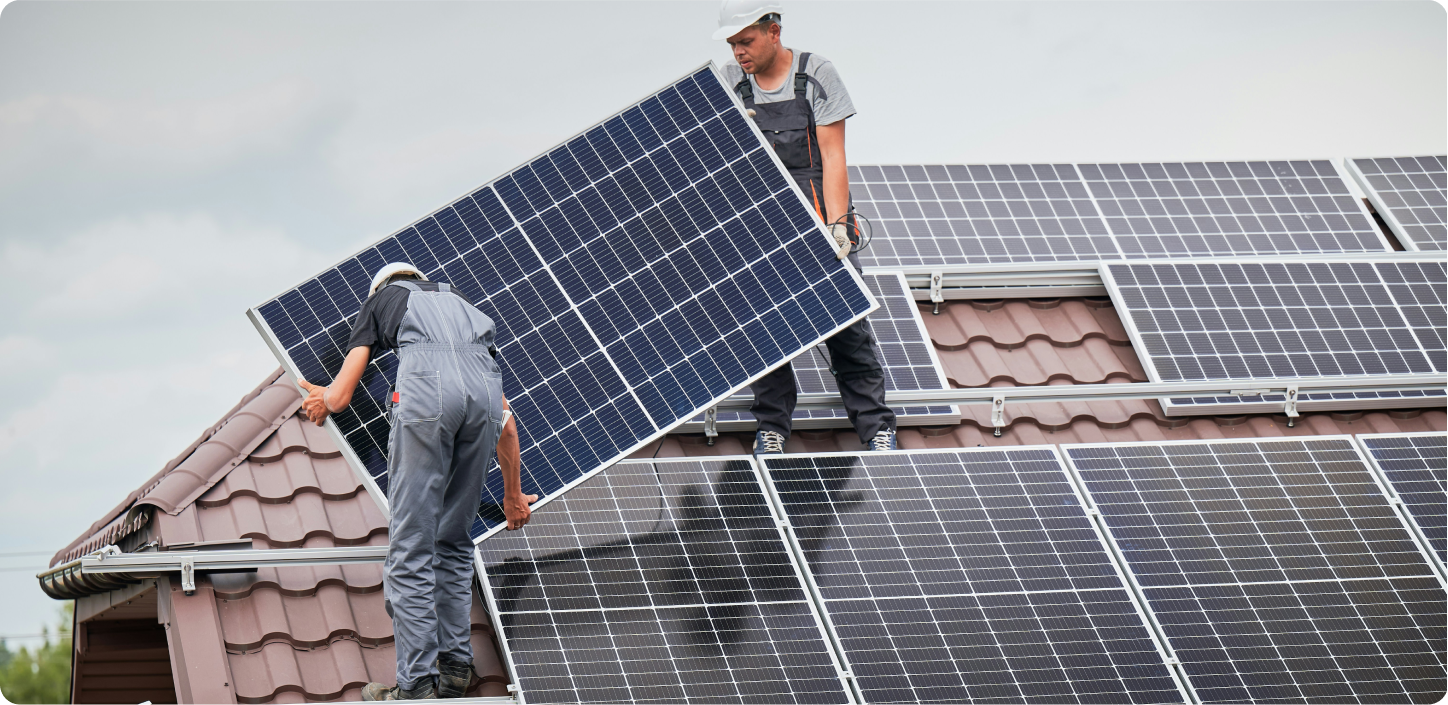
- Integration of on-site energy generation, with solar expected to become standard on most schemes
- A more performance-led approach to compliance, moving beyond simplified modelling
The key point is not any single requirement. It is that energy performance is now embedded in how a scheme is designed, rather than something addressed later in the process.
When will the Future Homes Standard come into force?
The regulations will come into force on 24 March 2027, with transitional arrangements running until 24 September 2027. After that point, all relevant new developments will be required to comply.
This creates a defined but relatively short window. Schemes already in planning or underway may still proceed under existing regulations, but anything starting beyond that point will need to meet the new standard from day one.
The timeline is now fixed. The question for developers is not whether to adapt, but when.
How will this change the way schemes are designed?
The Future Homes Standard shifts key decisions much earlier in the development process.
Energy performance is no longer a specification issue. It is a design constraint that influences the fundamentals of a scheme, including:
- Site layout and orientation, particularly where solar is expected to contribute meaningfully
- Roof design and usable space
- Internal layouts and plant requirements for low-carbon heating systems
- Fabric specification, which directly affects cost, buildability and performance
These are not adjustments that can be made late in the process without consequence. In many cases, they will shape the viability of a scheme from the outset.
What does this mean for development viability?
The immediate impact is likely to be an increase in build costs, driven by higher specification requirements and the integration of new technologies. However, the effect on viability is more nuanced.
Higher-performing homes may benefit from:
- Lower running costs for end users
- Stronger EPC ratings
- Increased attractiveness to buyers and occupiers
At the same time, greater certainty around future regulation reduces the risk of schemes becoming obsolete or requiring redesign.
For developers, the key shift is predictability. The cost of compliance becomes a known input rather than an uncertain future adjustment.
How will this affect funding and delivery?
From a funding perspective, the Future Homes Standard is likely to place greater emphasis on scheme design and early-stage decision-making.
Lenders will increasingly focus on:
- Whether a scheme is designed to meet future requirements
- The robustness of cost assumptions
- The impact of specification on delivery risk
- The clarity of exit strategy in a changing market
Schemes that are aligned with future standards are likely to be easier to assess and finance than those that rely on short-term compliance or future redesign.
As with other aspects of development, clarity and realism at the outset will be key.
What risks and uncertainties remain?
While the direction is now clear, some uncertainty remains around how the standard will be implemented in practice.
Areas to watch include:
- The consistency of interpretation across local authorities
- Supply chain capacity for low-carbon technologies
- Grid and infrastructure constraints
- How transitional arrangements are applied to live schemes
These factors may affect delivery, even where compliance requirements are understood.
What should developers be doing now?
The most effective response is to treat the Future Homes Standard as a current constraint rather than a future change.
That means:
- Designing schemes to meet the standard now, rather than relying on transitional windows
- Stress-testing viability against higher specification costs
- Considering orientation, layout and energy strategy at site appraisal stage
- Avoiding schemes that only work under current regulations
Developers who align with the standard early are likely to avoid redesign risk and benefit from greater certainty in both delivery and funding.
A shift from future policy to present reality
The Future Homes Standard is no longer a proposal. It is a defined requirement with a clear timeline.
For SME developers, the implication is straightforward. The way schemes are designed today will determine whether they remain viable tomorrow.
The opportunity lies not just in compliance, but in building this into the fundamentals of development from the outset.
Further reading and official resources
Future Homes and Buildings Standards: Impact Assessments – UK Government
Plug-in solar availability announcement – UK Government
Future Homes Standard insight and key takeaways – Inside Housing:
Future Homes Standard implementation timeline – Construction News
Other articles you may find interesting
State of the Market – March 2026
Spring Statement 2026 – key signals for property developers and investors
Planning and Infrastructure Act 2026 – key takeaways for SME property developers
Ready to discuss your next project?

At CrowdProperty, we support developers and brokers with expert-led development finance designed around real-world delivery.
If you’re a developer looking for funding, call 0203 012 0166 or email our Direct Team.
If you’re a broker looking to work with us, call 0204 525 2251 or email our Broker Team.
We’re property finance by property people. Together we build.