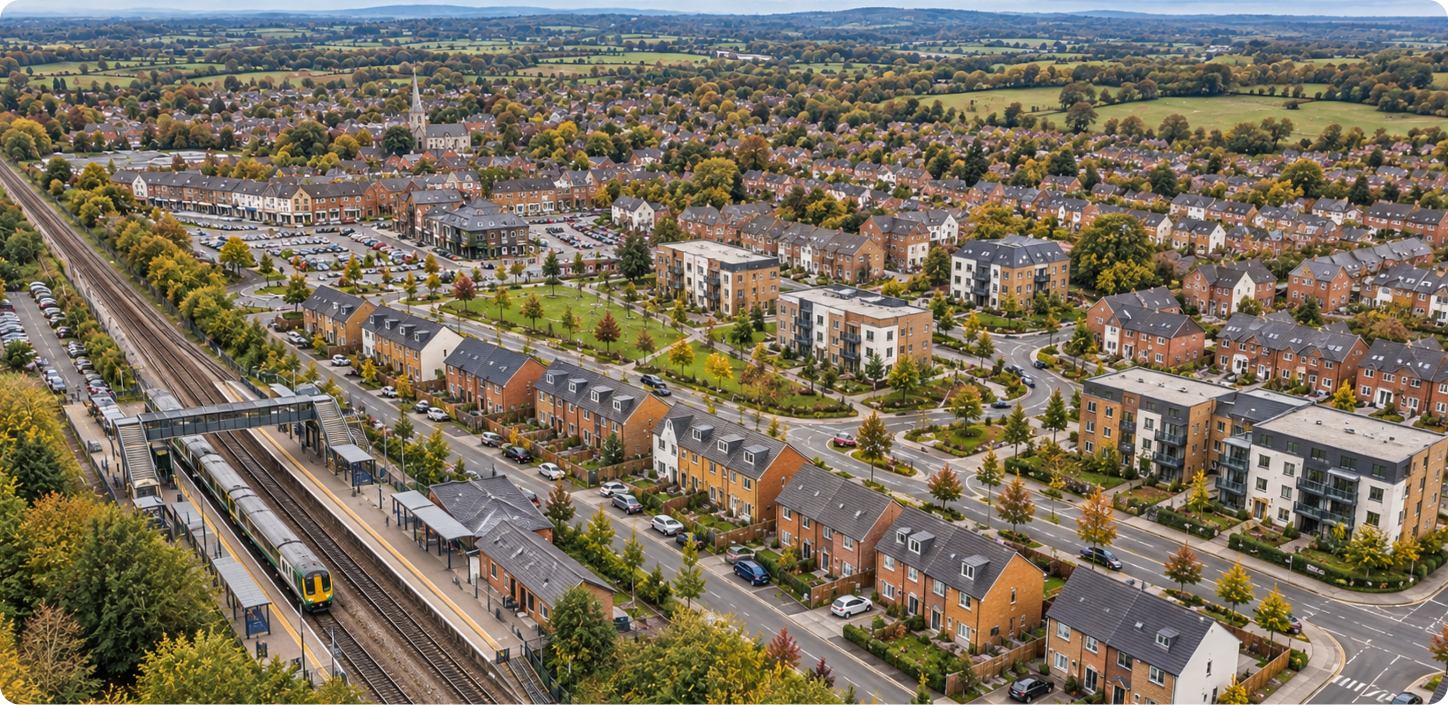
The new National Planning Policy Framework changes where development is supported, how densely some sites should be built and how smaller schemes are assessed. For SME developers, the practical effect is that some sites may now be worth re-appraising.
Published on 17 August 2026, the new National Planning Policy Framework (NPPF) changes some of the assumptions developers use when assessing sites. Its national decision-making policies applied from the day of publication, although transitional arrangements continue to affect some plan-making processes.
Much of the coverage has focused on development around railway stations. That’s one of the headline changes, and an important one. But the changes affecting SME developers go considerably further – from the introduction of a new “medium development” category to Green Belt policy, small and medium site allocations and changes affecting affordable housing and accessibility.
Alongside recent changes to biodiversity net gain (BNG), the result is that some of the assumptions behind existing site appraisals may now need revisiting.
What does the NPPF mean in practice?
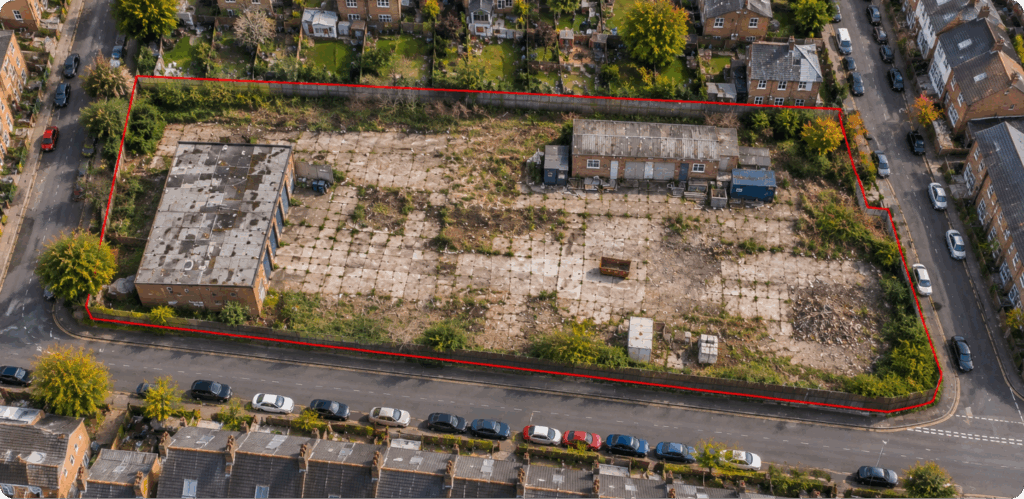
Take a 1.2-hectare site, 600 metres’ walk from a station in a qualifying Travel to Work Area with six trains an hour. It was previously appraised at 20 homes and shelved because the numbers were marginal. Under the new framework, residential development within reasonable walking distance of a well-connected station should generally achieve at least 35 homes per hectare within the net developable area.
Assume that, applying the NPPF definition, the site has a net developable area of 1.0 hectare after relevant exclusions such as strategic infrastructure and significant green infrastructure or drainage features. At 35 homes per hectare, that points towards a 35-home scheme rather than the 20 homes previously modelled.
That doesn’t mean planning permission for 35 homes is automatic. Design, access, infrastructure and other site constraints still matter. But it changes the starting assumption – and potentially the entire appraisal.
If the site can accommodate 35 homes, it also falls within the new medium-development category. Accommodating those additional homes changes the design and may require a different unit mix. Build costs, programme, sales profile and funding requirements need to be reassessed accordingly.
The site didn’t change. The policy did.
Start with these questions
One of the most common reasons funding structures change during due diligence is that an independent Before getting into the detail, these are eight questions worth asking about any site currently on your radar:
Is it inside a settlement? The NPPF now uses a clearer settlement-based approach, with different policy routes inside and outside settlements.
If it’s outside, does it meet one of the specified routes? Previously developed land, reuse of existing buildings, limited infilling, evidenced unmet need or proximity to a qualifying station could all be relevant.
How far is it from a station – and does that station actually meet the criteria? Both tests matter. Proximity alone isn’t enough.
Is Green Belt designation masking a grey belt or station-led opportunity? And if it is, what does the affordable housing requirement do to viability?
Is the scheme between 10 and 49 homes on a site of up to 2.5 hectares? If so, it falls within the new medium-development category.
Are there qualifying vacant buildings on site? Vacant Building Credit may affect the affordable housing calculation.
Is the site 0.2 hectares or less? It may now be exempt from mandatory BNG if the relevant conditions are met.
Does the local plan conflict with the new national policies? Existing development plan policies that are materially inconsistent with the new national decision-making policies should be given very limited weight – but age alone does not reduce their weight.
The rest of our article explains what sits behind each of those questions.
Stations – the detail decides whether you qualify
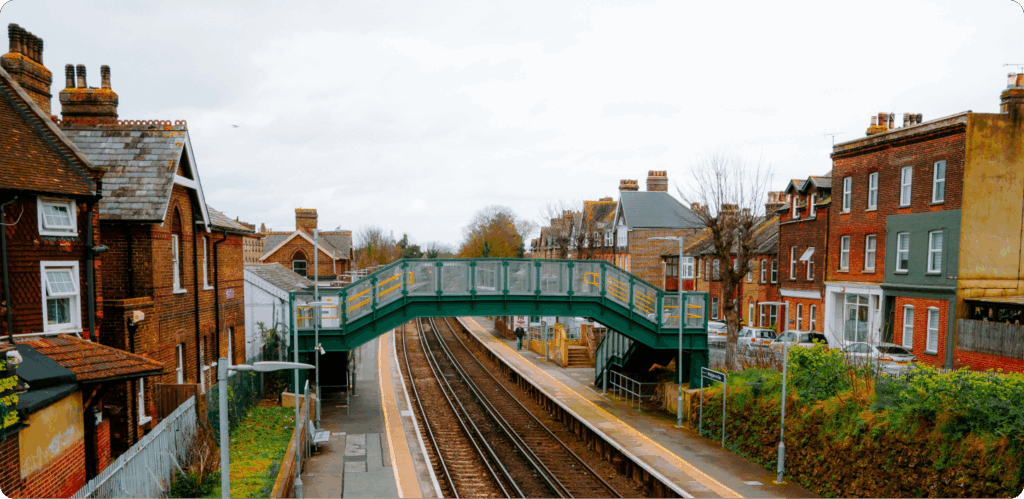
Transport-led development is one of the clearest new directions in the framework, and the criteria are specific enough to make early assessment worthwhile.
A qualifying station must meet criteria relating to both its location and service frequency. This includes being within one of the top 80 Travel to Work Areas by Gross Value Added and, in the normal weekday timetable, being served by at least four trains or trams per hour overall, or at least two per hour in any one direction.
Underground, tram and light rail services can also qualify. “Reasonable walking distance” generally means around 800 metres, or around a ten-minute walk where topography, route availability, route quality or physical barriers make a simple 800-metre measurement unrealistic.
On density, qualifying development should generally achieve at least 35 dwellings per hectare within the net developable area. That increases to at least 45 dwellings per hectare where service frequency is at least twice the minimum required for a well-connected station – effectively eight trains or trams per hour overall.
These are minimum densities, and the NPPF says they should be exceeded where possible. Exceptions are narrow – principally sites below the threshold for major development where meeting the standard is inappropriate or not possible, and traveller sites.
For developers, the practical point is to check the walking route, timetable and Travel to Work Area early. A station 400 metres away doesn’t automatically qualify a site for the new station-led policies.
Green Belt – factor in the affordable housing requirement
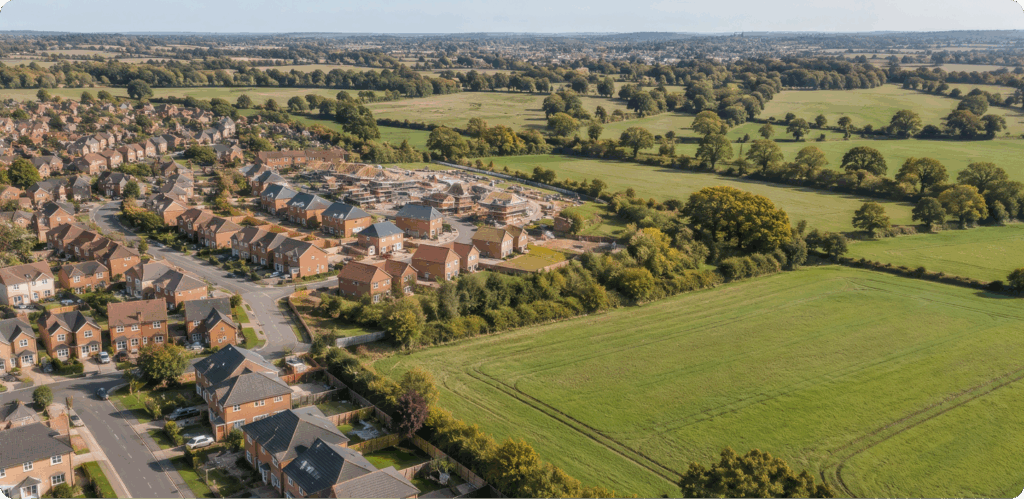
Green Belt policy has continued to evolve, and there are now two particularly important routes for developers to understand. Grey belt – land within the Green Belt that makes a limited contribution to specified Green Belt purposes – remains part of the framework and can, subject to the relevant policy tests, have greater development potential.
The new NPPF also strengthens the policy route for development around well-connected stations, including in the Green Belt. That brings sites back into consideration that developers may previously have discounted because of their Green Belt designation. But stronger planning support is only one side of the appraisal.
Where major housing development comes forward on land within or released from the Green Belt, the Golden Rules include affordable housing, infrastructure and accessible green-space requirements.
Where an up-to-date development plan contains a specific Green Belt affordable housing requirement, that policy applies. Until those policies are in place, the affordable housing requirement is 15 percentage points above the highest existing requirement that would otherwise apply, capped at 50%. Where there is no existing requirement, 50% applies by default.
So, under that interim approach, a scheme in an area with an existing 30% affordable housing requirement could face a requirement of 45%. For an SME developer, that fundamentally changes the viability of a site that initially looks more attractive under the new Green Belt policies. Run the numbers early.
Inside and outside settlements
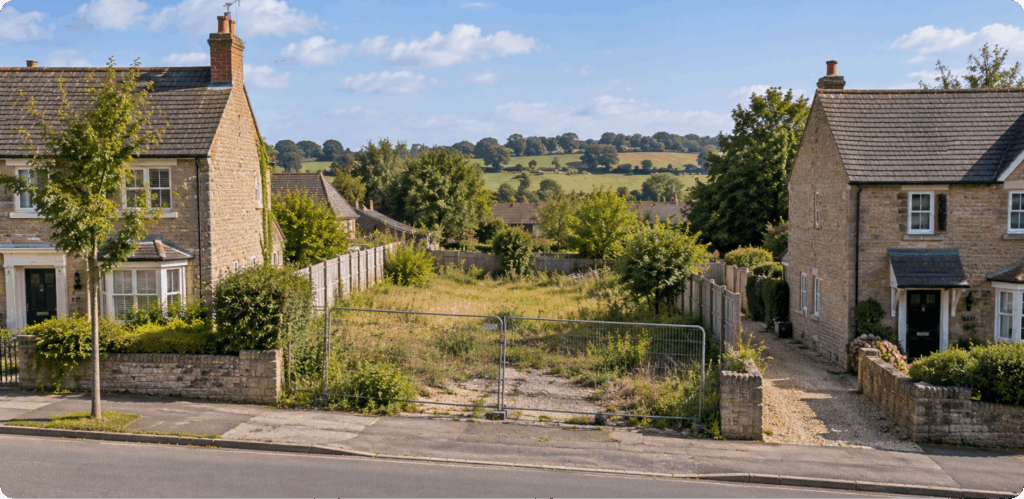
The new framework also places greater emphasis on whether development is located within or outside a settlement. Within settlements, the starting point is supportive – development should generally be approved unless its adverse impacts would substantially outweigh its benefits, or specific policies provide a clear reason for refusal. That strengthens the case for infill, redevelopment, conversions and sites where existing land and buildings could be used more effectively.
Outside settlements, the framework sets out defined routes rather than a general presumption in favour of development. These include the reuse, extension, alteration or replacement of certain existing buildings; redevelopment of previously developed land; limited infilling within groups of houses; residential development close to a qualifying station; and development addressing an evidenced unmet need where it is physically well related to a settlement and of an appropriate scale.
If you’ve discounted a site because it sits outside a settlement, it’s worth another look – particularly where it involves previously developed land, an existing building or good connections to an existing settlement.
Vacant Building Credit – don’t overlook it
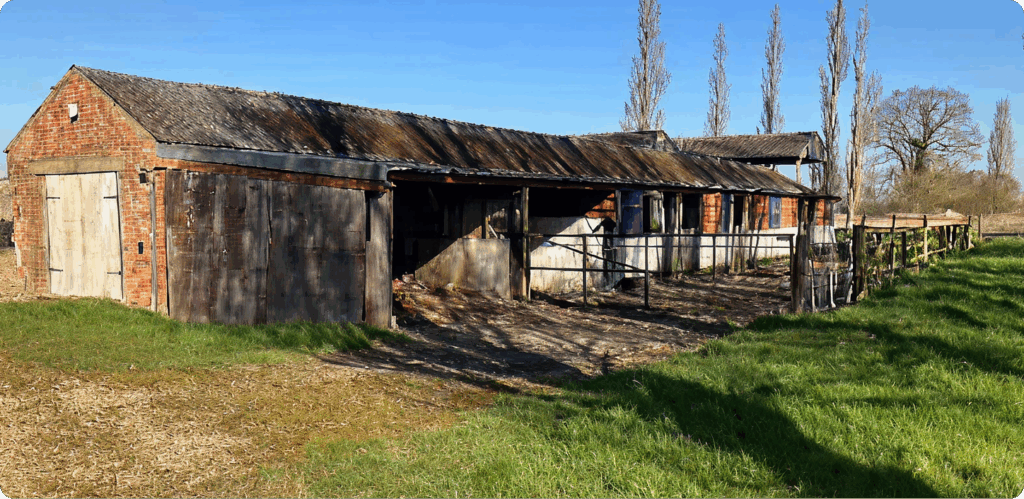
Vacant Building Credit isn’t new, but the new NPPF retains it explicitly. Where development proposals involve the reuse or redevelopment of qualifying vacant buildings, affordable housing contributions can be reduced proportionately to reflect the gross floorspace of the existing building or buildings.
That’s significant for brownfield opportunities involving existing buildings. Where substantial vacant floorspace qualifies, the credit can materially affect the appraisal. There are important exclusions. Vacant Building Credit doesn’t apply to buildings that have been abandoned, or to major development on land within or released from the Green Belt where the Golden Rules apply.
Medium development – the new 10–49-home category
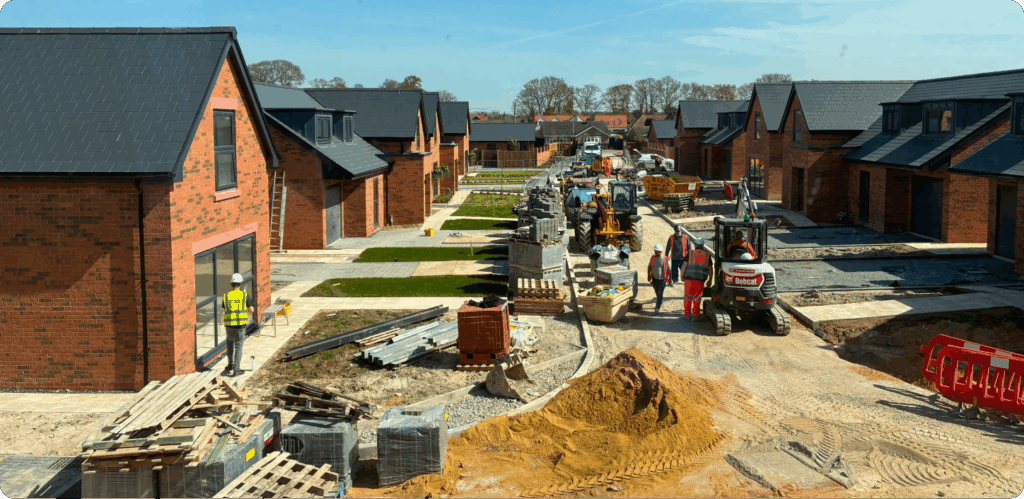
One of the most relevant changes for SME developers is the formal introduction of medium development. The framework defines this as residential development of 10 to 49 homes on sites of up to 2.5 hectares.
Previously, the planning system largely divided development between minor and major schemes at ten homes. That meant a relatively modest 12 or 15-home development could face processes and information requirements designed with substantially larger developments in mind.
The Government’s rationale is straightforward: schemes of this size are predominantly delivered by SMEs, which generally have fewer resources to absorb lengthy planning processes, professional fees and delays.
The 2.5-hectare ceiling matters too. An earlier proposal suggested one hectare, but the threshold was increased in recognition that suburban and rural schemes can require additional land for infrastructure, green space and drainage while remaining relatively modest developments.
There are two important caveats. First, medium development doesn’t remove the evidence required to assess genuine planning issues – transport, drainage, ecology and design assessments can still be required where relevant.
Second, medium development is defined as a subset of major development. Policies applying to major housing development therefore continue to apply unless the NPPF provides a specific medium-development provision. The significance of the new category is greater proportionality, not a wholesale exemption from major-development requirements.
It’s also worth noting something that didn’t make the final framework. Earlier proposals considered allowing developers of medium-sized sites greater flexibility to make financial contributions instead of providing affordable housing on site. That proposed flexibility did not make it into the final framework – on-site provision remains the starting point where affordable housing requirements apply.
More allocated land at SME scale
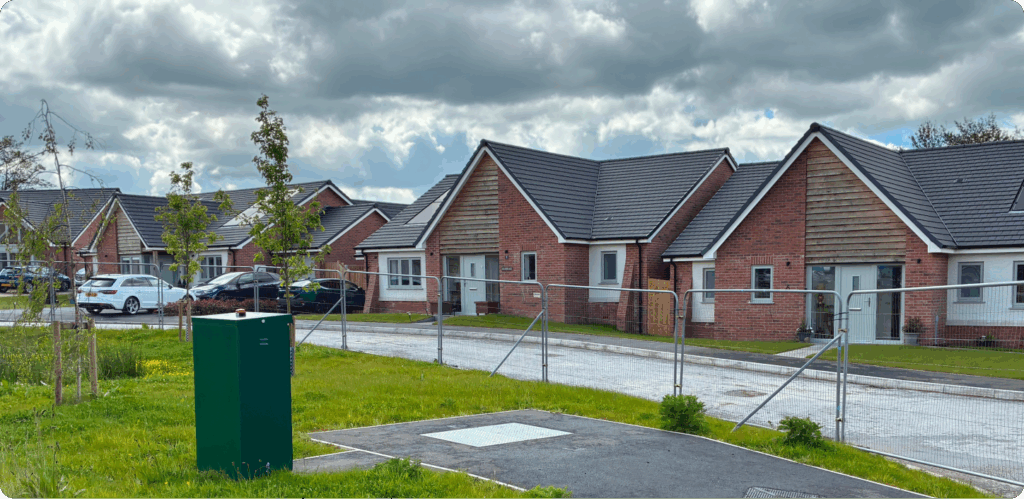
The changes aren’t limited to individual planning applications. The new framework also seeks to increase the supply of allocated development land at a scale more suited to smaller developers.
Local plans are expected to identify at least 10% of their housing requirement on small sites of less than one hectare, plus a further 10% on medium-sized sites of between one and 2.5 hectares, unless there are strong reasons why this cannot be achieved.
This won’t transform the supply of SME sites immediately – it depends on local plans being prepared and updated. But over a plan cycle, it should create a broader pipeline of allocated land at a scale a wider range of developers can realistically fund and build.
Section 106 – standardisation is coming, but isn’t here yet

The Government is also consulting on standardised Section 106 agreements specifically for medium-sized developments. Section 106 agreements secure planning obligations associated with development, including affordable housing and financial contributions. Negotiating them can add time, professional costs and uncertainty to the planning process.
Four standard templates have been proposed:
- a bilateral Section 106 agreement
- a unilateral undertaking
- an affordable housing schedule for full planning permission
- an affordable housing schedule for outline planning permission
The intention is to reduce bespoke negotiation, improve consistency and provide greater certainty around planning obligations. The new NPPF also states that where national model planning obligations are relevant, they should be used unless there are strong reasons for using a different obligation.
For SMEs, greater standardisation should make it easier to understand potential obligations, costs and timescales earlier in the appraisal process. But keep the distinction clear – the medium-development category is live policy now, while the standard Section 106 templates remain proposals. The consultation closes on 20 October 2026.
Accessible homes – another assumption to check
The new NPPF also strengthens expectations around accessible and adaptable housing. Its plan-making policy requires development plans to set out the proportion of homes on major developments that should meet M4(2) and M4(3) standards, and to ensure that at least 40% of homes on major developments meet M4(2) accessible and adaptable standards, subject to appropriate exemptions.
This isn’t a blanket rule that automatically applies directly to every current major planning application. Developers should check the development-plan policy applying to the site and how the local authority is implementing the new framework. For future appraisals, however, it’s another assumption worth testing when considering design, build costs and unit mix.
Biodiversity net gain
Alongside the new NPPF, recent changes to biodiversity net gain are also relevant to developers reassessing smaller sites. For planning applications made from 6 August 2026, development where the site within the red-line boundary is 0.2 hectares or less is exempt from mandatory BNG, provided it doesn’t affect onsite priority habitat.
Developments consisting wholly of temporary development permitted for five years or less can also qualify for an exemption, again provided they don’t affect onsite priority habitat.
Separately, the new NPPF limits the circumstances in which local planning authorities can set BNG requirements above the statutory 10% objective. Higher requirements should only be set for specific site allocations and must be fully justified and deliverable.
For developers of qualifying smaller sites, the new exemption removes a requirement that previously affected development costs and viability. But BNG is only one part of the environmental picture – ecology, protected habitats and species, flood risk and other environmental considerations can still apply depending on the site.
What does this do to your appraisal, and your funding?
Stronger policy support doesn’t make a scheme viable. It changes the inputs. Take the worked example from earlier: a site originally appraised at 20 homes where the new density policy points towards 35. That’s not a marginal adjustment.
If the site can accommodate that density, you’re dealing with a larger build budget, a different design and potentially a different unit mix, a changed sales programme and a funding requirement that needs to be reconsidered from day one.
The same principle runs through the other changes. A Green Belt site with stronger planning prospects looks very different once the affordable housing requirement is factored in. A conversion benefiting from Vacant Building Credit can move in the opposite direction. Medium-development provisions, accessible-housing expectations and planning obligations can all change the assumptions behind the appraisal.
That’s why planning and funding assumptions are best considered together at appraisal stage, rather than treating finance as something to address once planning has been resolved.
Look again at the sites already on your radar
The new NPPF doesn’t make every difficult development site viable. But it does change some of the assumptions developers have been using to assess them.
Sites around well-connected stations may support greater density. Some Green Belt opportunities have stronger routes through planning. Vacant buildings can change affordable housing calculations. Medium-sized schemes now have a policy category designed to support a more proportionate approach, while future local plans should provide more allocated sites at SME scale.
At the same time, new opportunities come with new considerations – particularly affordable housing requirements, accessibility expectations and the wider cost implications of increasing density.
For SME developers, the immediate opportunity isn’t simply to find new sites. It’s to look again at the ones you’ve already got. If the new NPPF has put a development site back on your radar, our property team can help you assess what that means for the funding structure.
Further reading and resources
National Planning Policy Framework – GOV.UK
Standard planning agreements for medium-sized sites – GOV.UK
Changes to the NPPF and other changes to the planning system – Local Government Association
Biodiversity net gain: exempt developments – GOV.UK
Other articles you may find interesting
Expert Insights – what gives lenders confidence in a construction budget?
First-time property developers – a practical guide to preparing for success
Case study: Looking beyond experience to fund an exceptional development
Ready to discuss your next project?

At CrowdProperty, we support SME developers with expert-led development finance designed around real-world delivery.
Whether you’re acquiring a site, reviewing project viability or preparing for your next development, our team understands the practical challenges developers face in today’s market.
Call 0203 012 0166 or contact our Direct Team to discuss your next project.
We’re property finance by property people. Together we build.