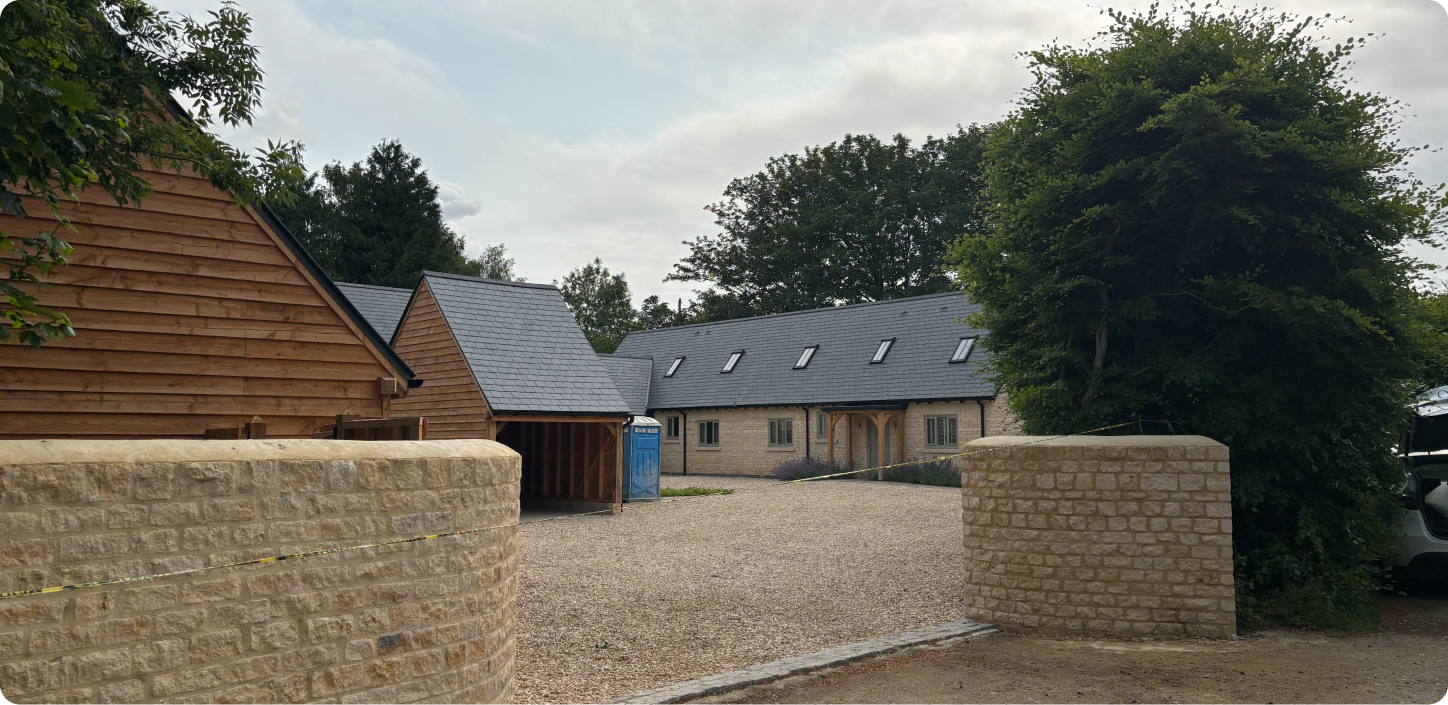
Every successful development begins long before the first brick is laid – it starts with careful planning, realistic assumptions and thorough preparation. The same is true when seeking development finance, as our developer guide explains.
Preparing your project for development funding – from appraisal to application – can greatly improve the speed, certainty and, ultimately, success of your project. Many developers skip straight to finding the right lender or securing the best funding terms. In reality, a smooth route to funding relies on focused preparation before your application takes shape.
A well-prepared plan gives lenders, valuers, monitoring surveyors and solicitors confidence that the project has been carefully considered and risks have been fully understood. That confidence can improve the speed and certainty of the funding process.
On the flip side, unrealistic valuations or construction budgets, missing documentation or unanswered legal queries can introduce uncertainty – delaying decisions, changing funding structures or derailing projects before they’re out of the ground.
Many of these issues are avoidable. Whether you’re an experienced developer or preparing your first project, this guide explains the practical steps you can take to create a strong foundation.
1. Challenge your development appraisal before someone else does
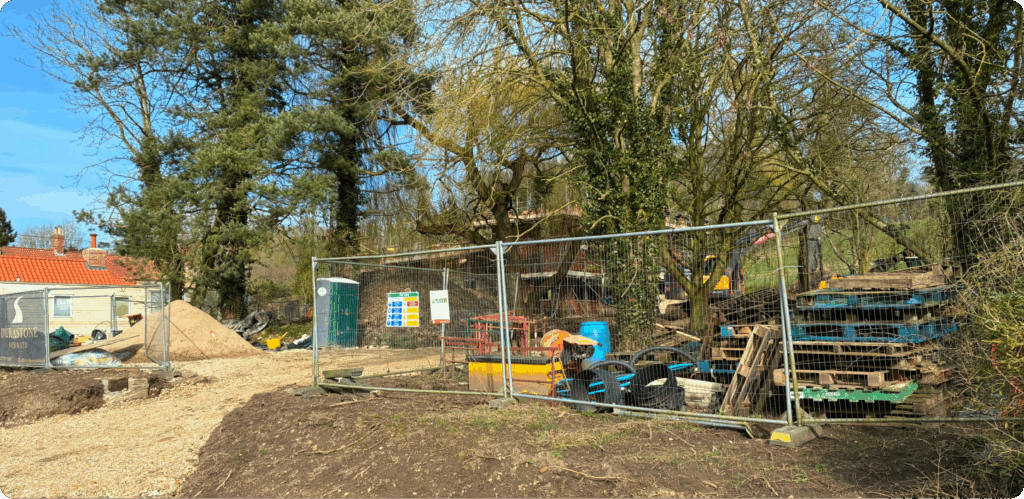
A development appraisal shouldn’t simply justify a project – it should test it.
Every funding decision begins with assumptions about costs, values, programme and profitability. Before those assumptions are reviewed by lenders and their professional advisers, developers should challenge them.
A robust appraisal should reflect current market conditions, not historic data or best-case scenarios. It should also be a living document that evolves as quotations are received, planning progresses and market conditions change.
Ask yourself:
- Is the Gross Development Value (GDV) supported by current market evidence?
- Are build costs based on detailed estimates rather than broad allowances?
- Have all professional fees been included?
- Have utility costs been confirmed?
- Have planning obligations been allowed for?
- Is there sufficient contingency?
- Does the programme allow realistic timescales for planning, construction and sales?
The earlier unrealistic assumptions are identified, the easier they are to address.
Common mistake: Preparing an appraisal once and assuming it will remain accurate throughout the development process.
Expert tip: The strongest appraisals aren’t necessarily the most optimistic. They’re the ones that remain robust when challenged.
2. Make sure your valuation stands up to scrutiny

One of the most common reasons funding structures change during due diligence is that an independent valuation doesn’t support the anticipated Gross Development Value.
Developers naturally know their local markets well and often have strong views on the completed value of a scheme. Independent valuers assess projects objectively using comparable evidence, current market conditions and professional judgement.
There can be a mismatch. And even small differences in GDV can influence borrowing levels, project viability and loan structures.
Before seeking funding, stress-test your valuation assumptions.
Consider whether:
- Comparable evidence is genuinely comparable
- Exceptional sales have been excluded
- Local market conditions have changed
- Selling agents agree with the proposed values
- The scheme remains viable if values soften slightly
Preparing for these conversations before an independent valuation takes place can significantly reduce surprises later.
Common mistake: Selecting comparable properties because they support the appraisal rather than genuinely reflect the current market.
Expert tip: Don’t ask what you hope the completed scheme is worth. Ask what an independent valuer is likely to conclude.
3. Build a construction budget that inspires confidence
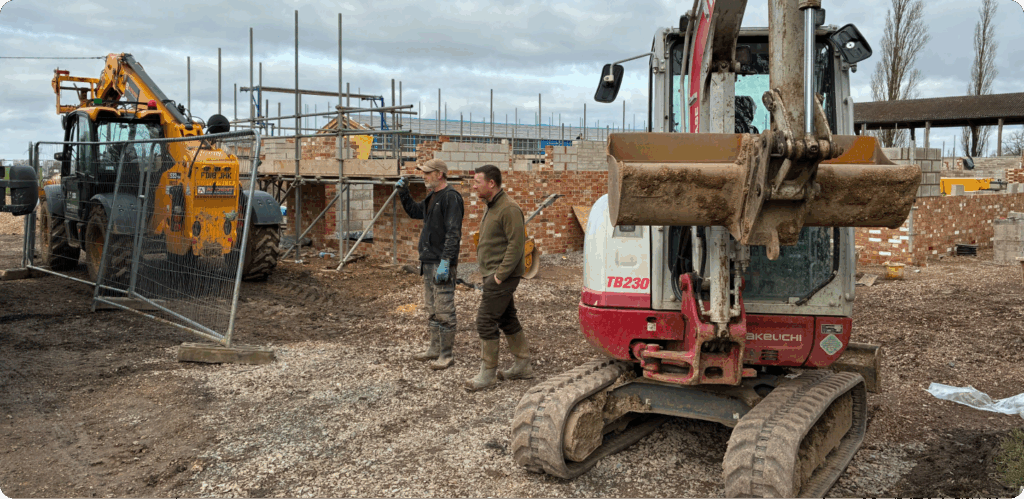
Construction budgets should demonstrate far more than the total anticipated build cost.
They should show that the project has been carefully considered – realistically priced, fully inclusive and supported by appropriate evidence.
Detailed trade or elemental cost breakdowns provide lenders and monitoring surveyors with far greater confidence than broad price per square metre estimates because they demonstrate exactly how costs have been developed.
Developers should ensure their budgets include:
- Construction costs
- Professional fees
- Utility connections
- External works
- Sales and marketing costs
- Finance costs
- Planning obligations
- Appropriate contingency
Construction markets (and build costs in particular) continually flux and evolve, making accurate, up-to-date quotations vital.
For a more detailed look at how monitoring surveyors review construction budgets, read our Expert Insights interview with Charlie Saunders MRICS MCIOB of Emerson Bond, who explains the importance of detailed cost information, design maturity and contingency planning.
Common mistake: Focusing on construction costs while overlooking associated project costs that still need to be funded.
Expert tip: Projects don’t always exceed budget because construction costs increase. Often it’s because important costs were omitted from the original appraisal.
4. Assemble your funding pack
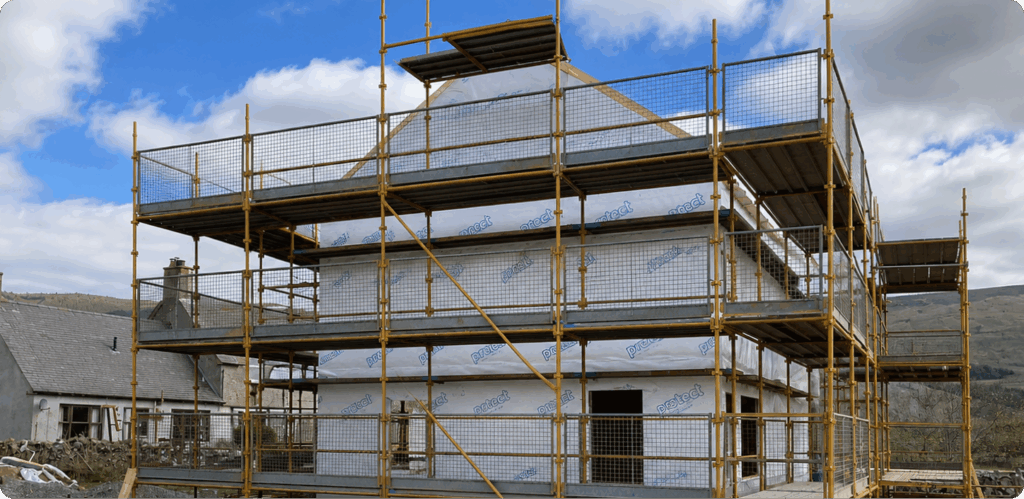
Once you’ve satisfied yourself that the fundamentals of the project are robust, the next step is presenting that information clearly.
A comprehensive funding pack allows lenders to understand the opportunity quickly and reduces the need for repeated requests for information.
Typical documents include:
- Planning permission
- Site plans and drawings
- Development appraisal
- Detailed construction budget
- Build programme
- Comparable sales evidence
- Professional team details
- Previous development experience
- Company information
Well-organised information not only improves efficiency but also demonstrates professionalism and preparedness.
Common mistake: Providing documents piecemeal and sporadically, rather than upfront, as a complete package.
Expert tip: The best-prepared applications often progress the quickest because everyone starts from the same complete picture, with no surprises emerging later.
5. Put your professional team in place early
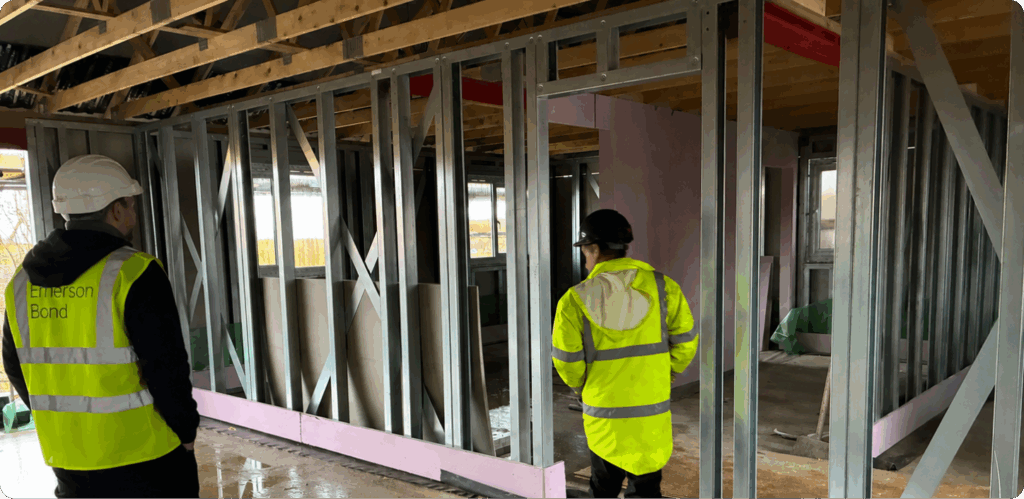
Development finance relies on collaboration between a range of professionals.
Solicitors, architects, quantity surveyors, monitoring surveyors, valuers and planning consultants each contribute expertise as needed throughout the process.
Waiting until funding has been approved before instructing key advisers can introduce unnecessary delays.
Developers should consider:
- Instructing solicitors early
- Ordering searches promptly
- Confirming professional appointments
- Identifying outstanding planning conditions
- Preparing information likely to be requested during due diligence
Common mistake: Treating legal preparation as something that starts after funding has been approved.
Expert tip: Instructing your solicitor early and ordering searches promptly are among the simplest ways to improve the certainty of your funding timeline.
6. Prepare for due diligence

Questions during due diligence shouldn’t be viewed as setbacks.
They’re a normal part of the process and allow lenders and professional advisers to build confidence in the project.
Developers can help maintain momentum by:
- Anticipating likely questions
- Responding promptly
- Keeping documents organised
- Being transparent about changes
- Explaining outstanding issues openly
Unexpected surprises generally create more delay than known risks.
Common mistake: Waiting until information is requested before beginning to gather it.
Expert tip: Questions during due diligence are an opportunity to demonstrate preparation and provide reassurance, not a sign that something has gone wrong.
7. Think beyond funding approval
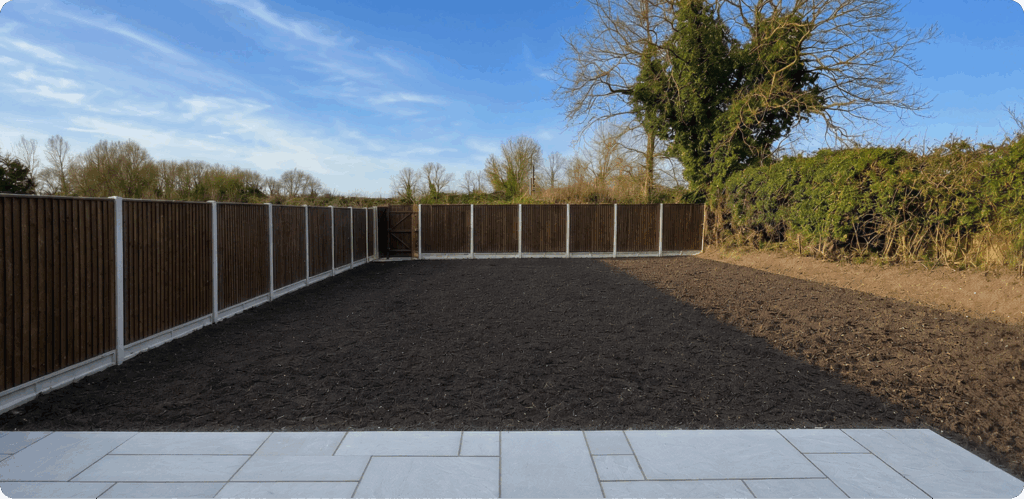
Receiving funding approval is an important milestone, but it isn’t the end of the process.
Legal completion, Conditions Precedent and drawdown preparation all remain before funds can be released.
Preparing these requirements early helps ensure that approval can be translated into funding without unnecessary delay.
Common mistake: Assuming funding can be drawn immediately after approval.
Expert tip: Funding approval is a milestone. Good preparation beforehand is what helps turn that approval into useable funds on site.
Developer preparation checklist
Before approaching a lender, ask yourself:
- Have I challenged every assumption within my appraisal?
- Is my GDV supported by realistic comparable evidence?
- Does my construction budget reflect today’s market?
- Have I included every foreseeable project cost?
- Have I allowed sufficient contingency?
- Is my planning information complete?
- Have I assembled a comprehensive funding pack?
- Have I instructed my solicitor and professional advisers?
- Am I prepared for due diligence?
- Have I considered everything needed before drawdown?
The bigger picture
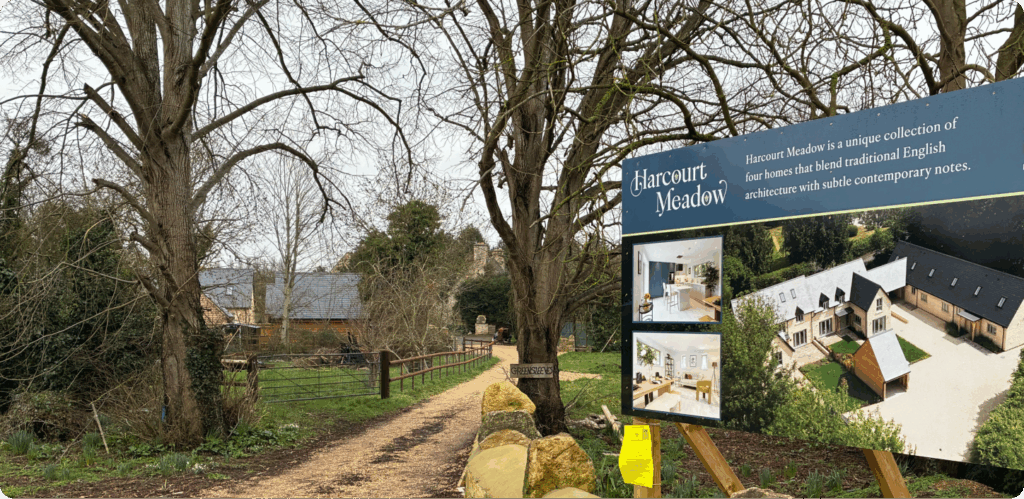
Securing development finance is about much more than obtaining a lending decision.
It’s about demonstrating that a project has been carefully planned, realistically assessed, accurately costed, and professionally prepared.
Developers who invest time in that preparation build confidence among everyone responsible for reviewing the scheme. That confidence often leads to greater certainty, fewer avoidable delays and a smoother journey from appraisal through to completion.
Ultimately, the strongest funding applications don’t begin with a lender. They begin with a well-prepared project.
Further reading and resources
Royal Institution of Chartered Surveyors (RICS) – Valuation and professional standards
Planning Portal – Planning guidance and Building Regulations
GOV.UK – Community Infrastructure Levy (CIL) guidance
BCIS – Building Cost Information Service
Other articles you may find interesting
Expert Insights – what gives lenders confidence in a construction budget?
First-time property developers – a practical guide to preparing for success
Case study: Looking beyond experience to fund an exceptional development
Ready to discuss your next project?

At CrowdProperty, we support SME developers with expert-led development finance designed around real-world delivery.
Whether you’re acquiring a site, reviewing project viability or preparing for your next development, our team understands the practical challenges developers face in today’s market.
Call 0203 012 0166 or contact our Direct Team to discuss your next project.
We’re property finance by property people. Together we build.